The United States and Iran have reached a preliminary agreement to end hostilities in the region, marking the first formal diplomatic breakthrough between the two nations in over a decade. According to officials from both governments, the deal includes a waiver on U.S. oil sanctions, limits on Iran’s nuclear program, and the release of frozen assets—though key details remain under negotiation. The agreement, if finalized, would significantly alter the geopolitical landscape of the Middle East, with immediate implications for global energy markets, regional security, and nuclear non-proliferation efforts.
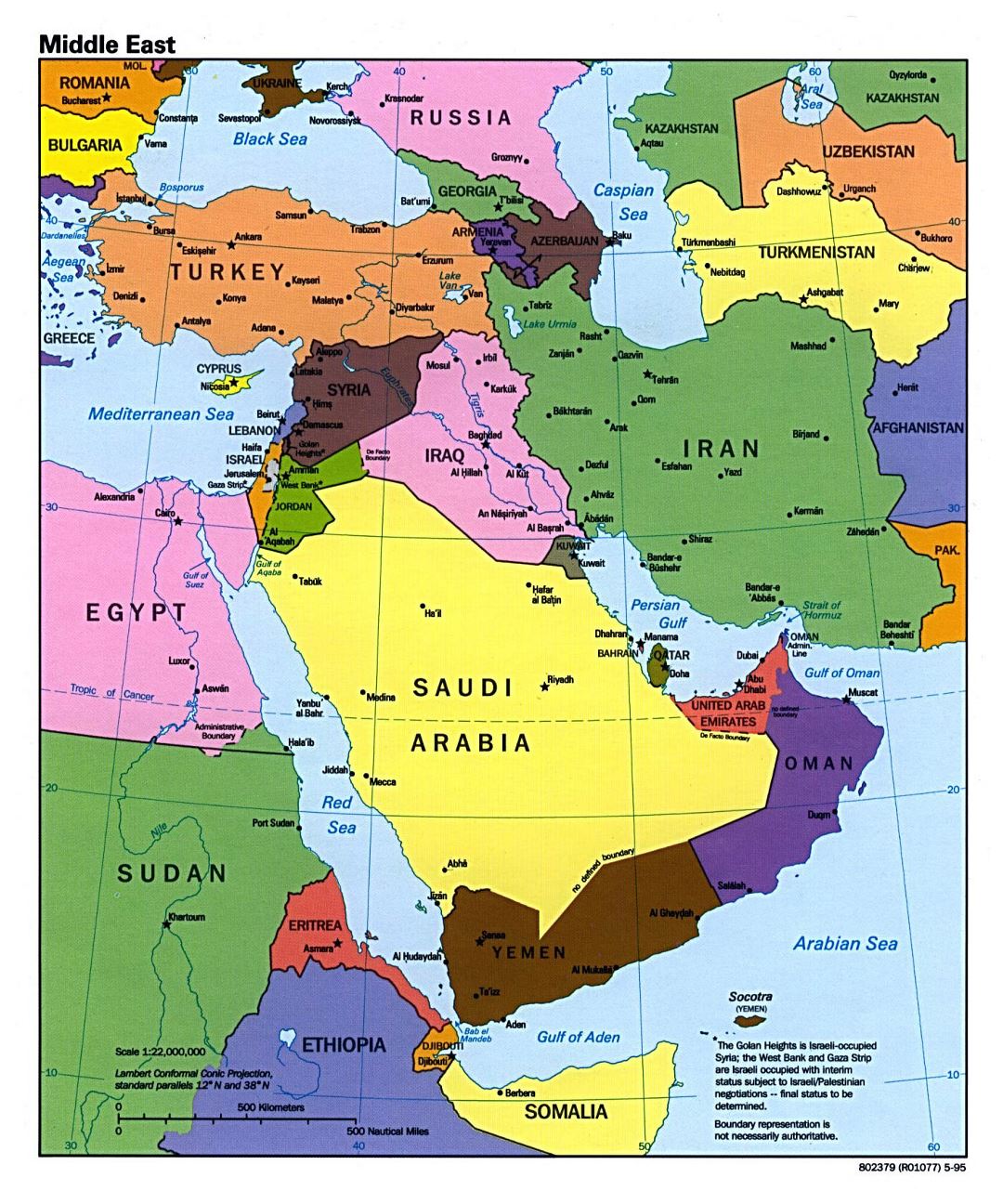
While both sides have confirmed the framework of the deal, critical questions remain about its enforceability, the timeline for implementation, and whether it will hold amid ongoing tensions in the Red Sea and Gulf of Oman. The White House and Iranian Foreign Ministry have described the agreement as a “step toward de-escalation,” but regional allies like Israel and Saudi Arabia have expressed skepticism, warning of potential loopholes that could allow Iran to circumvent restrictions.
The deal comes as international mediators—including China, Russia, and the European Union—have intensified efforts to broker a lasting ceasefire. Analysts suggest the agreement could serve as a model for future negotiations, particularly in resolving disputes over Iran’s nuclear program, which has been a flashpoint since the 2015 Joint Comprehensive Plan of Action (JCPOA) collapsed under U.S. sanctions in 2018.
Key Terms of the U.S.-Iran Deal
- Sanctions Relief: Partial waiver on U.S. oil sanctions, allowing limited Iranian crude exports—though exact quotas remain undisclosed.
- Nuclear Limits: Temporary freeze on uranium enrichment beyond current levels, with potential for future inspections.
- Asset Release: Unfreezing of Iranian assets held in third-country banks, though full repatriation is not guaranteed.
- Ceasefire: Immediate halt to attacks on commercial shipping in the Strait of Hormuz and Gulf of Oman.
- Diplomatic Channel: Reopening of a direct U.S.-Iran communication line, supervised by international mediators.
- Regional Security: No explicit guarantees for Israel or Gulf states, though both sides have pledged to “avoid destabilizing actions.”
What the Deal Includes: A Breakdown of the Framework
Officials from both the U.S. and Iran have confirmed that the agreement centers on three core pillars: sanctions relief, nuclear constraints, and the release of frozen assets. However, the specifics—such as the volume of Iranian oil that could be exported under the waiver or the exact limits on nuclear activity—remain classified pending final negotiations.
According to a Reuters report citing Iranian officials, the draft agreement includes:
- A temporary waiver on U.S. secondary sanctions targeting Iranian oil exports, allowing Tehran to sell up to 500,000 barrels per day—a fraction of pre-sanction levels but a critical lifeline for Iran’s economy.
- A pause in uranium enrichment beyond current levels, with international inspectors granted access to key facilities for the first time since 2019.
- The unfreezing of $6 billion in Iranian assets held in South Korean and UAE banks, though full repatriation is contingent on compliance with the deal’s terms.
White House spokesperson John Kirby confirmed in a statement that the agreement also includes a “ceasefire in the Strait of Hormuz and Gulf of Oman”, ending months of tensions that disrupted global shipping. “This is not a permanent solution,” Kirby said, “but it buys time for diplomacy to take hold.”
Why This Deal Matters: The Bigger Geopolitical Picture
The agreement, if implemented, would mark the first major diplomatic engagement between the U.S. and Iran since the 2019 assassination of Iranian General Qasem Soleimani by a U.S. drone strike. It also comes amid escalating conflicts in Yemen, Gaza, and Syria, where Iran-backed militias play a significant role. Analysts suggest the deal could:

- Stabilize oil markets: Iran’s potential return to limited oil exports could ease global supply concerns, though prices may remain volatile without a full sanctions lift.
- Reduce regional tensions: A ceasefire in the Strait of Hormuz—a critical chokepoint for 20% of the world’s oil—would lower risks of accidental conflicts between the U.S., Iran, and their allies.
- Revive nuclear talks: The deal could pave the way for renewed negotiations on Iran’s nuclear program, though hardliners in Tehran and Washington may resist further concessions.
- Shift U.S. foreign policy: The agreement contradicts former President Donald Trump’s hardline stance on Iran, which he called “capitulation” in a recent speech, though Biden administration officials have framed it as a pragmatic step to avoid broader war.
Historically, such deals have faced skepticism. The 2015 JCPOA, for example, collapsed under Trump in 2018 after Iran violated its terms and the U.S. reimposed sanctions. This time, both sides appear determined to avoid a similar outcome—but the lack of a formal treaty and the involvement of third-party mediators raise questions about long-term compliance.
Who Benefits—and Who Loses?
The deal’s impact will vary sharply depending on regional and global stakeholders:
| Stakeholder | Potential Gains | Potential Risks |
|---|---|---|
| Iran |
|
|
| United States |
|
|
| Israel |
|
|
| Saudi Arabia |
|
|
| Global Markets |
|
|
What Happens Next: The Road Ahead
The agreement is not yet finalized, and both sides have emphasized that further negotiations are required. Key milestones include:
- Finalizing the text: Diplomats from both sides are expected to meet in Iraq within the next 72 hours to iron out discrepancies in the draft. The European Union and China are acting as guarantors.
- Sanctions waivers: The U.S. Treasury must formally approve the oil sanctions relief, a process that could take 10–14 days. Iranian officials have warned that any delays could derail the deal.
- Asset releases: The $6 billion in frozen assets must be verified and transferred to Iranian accounts, a process that could take weeks due to banking restrictions.
- Nuclear inspections: The International Atomic Energy Agency (IAEA) must confirm Iran’s compliance with enrichment limits, with reports expected by June 1.
- Ceasefire enforcement: The U.S. and Iran have agreed to establish a joint monitoring mechanism for the Strait of Hormuz, though details on penalties for violations are unclear.
The biggest wildcard remains Congress. Republican lawmakers, including Senator Tom Cotton, have already criticized the deal, threatening to impose new sanctions if it proceeds. Meanwhile, Iran’s Supreme Leader Ayatollah Ali Khamenei has not yet publicly endorsed the agreement, raising questions about its domestic legitimacy.
Expert Reactions: What Analysts Are Saying
Reactions to the deal have been sharply divided:
“This is a pragmatic step to avoid a wider war, but it’s not a peace treaty. The real test will be whether both sides can trust each other over the next six months.”
“The sanctions relief is too limited to meaningfully help Iran’s economy, and the nuclear concessions are too vague to satisfy the U.S. or Israel. This deal is doomed to fail unless both sides commit to real verification.”
“From a market perspective, the deal is a positive signal, but investors should brace for volatility. The Strait of Hormuz is now safer, but the bigger question is whether this leads to a broader Middle East détente—or just a temporary truce.”
How to Follow Updates: Official Sources and Next Steps
Readers seeking real-time updates can monitor the following official channels:
- U.S. Department of State – For official statements on sanctions and diplomacy.
- International Atomic Energy Agency (IAEA) – For nuclear compliance reports.
- U.S. Treasury Department – For updates on sanctions waivers.
- Iranian Foreign Ministry – For Tehran’s official responses.
- United Nations – For mediation efforts and security council statements.
The next critical checkpoint is the June 1 deadline for IAEA inspections, after which both sides will assess whether to move forward with deeper negotiations or walk away from the deal. In the meantime, regional tensions remain high, and any misstep could reignite hostilities.
This agreement represents a rare moment of diplomacy in a region plagued by conflict. What do you think—will it hold, or is this just another temporary truce? Share your thoughts in the comments below, and stay tuned for updates as negotiations progress.
For more analysis on U.S.-Iran relations, explore our in-depth coverage of the JCPOA collapse and the impact of sanctions on global oil markets.
Keep reading