
China has expressed support for the historic US-Iran agreement to end hostilities, marking a potential turning point in Middle East tensions—but analysts warn that implementation risks and regional dynamics could derail progress. The deal, announced after months of indirect negotiations, includes a framework to halt military escalation, release detained nationals, and establish a mechanism for future diplomatic talks. While details remain limited, the agreement’s signing in Switzerland—brokered with European mediation—has drawn praise from Beijing, which has long advocated for dialogue over confrontation.
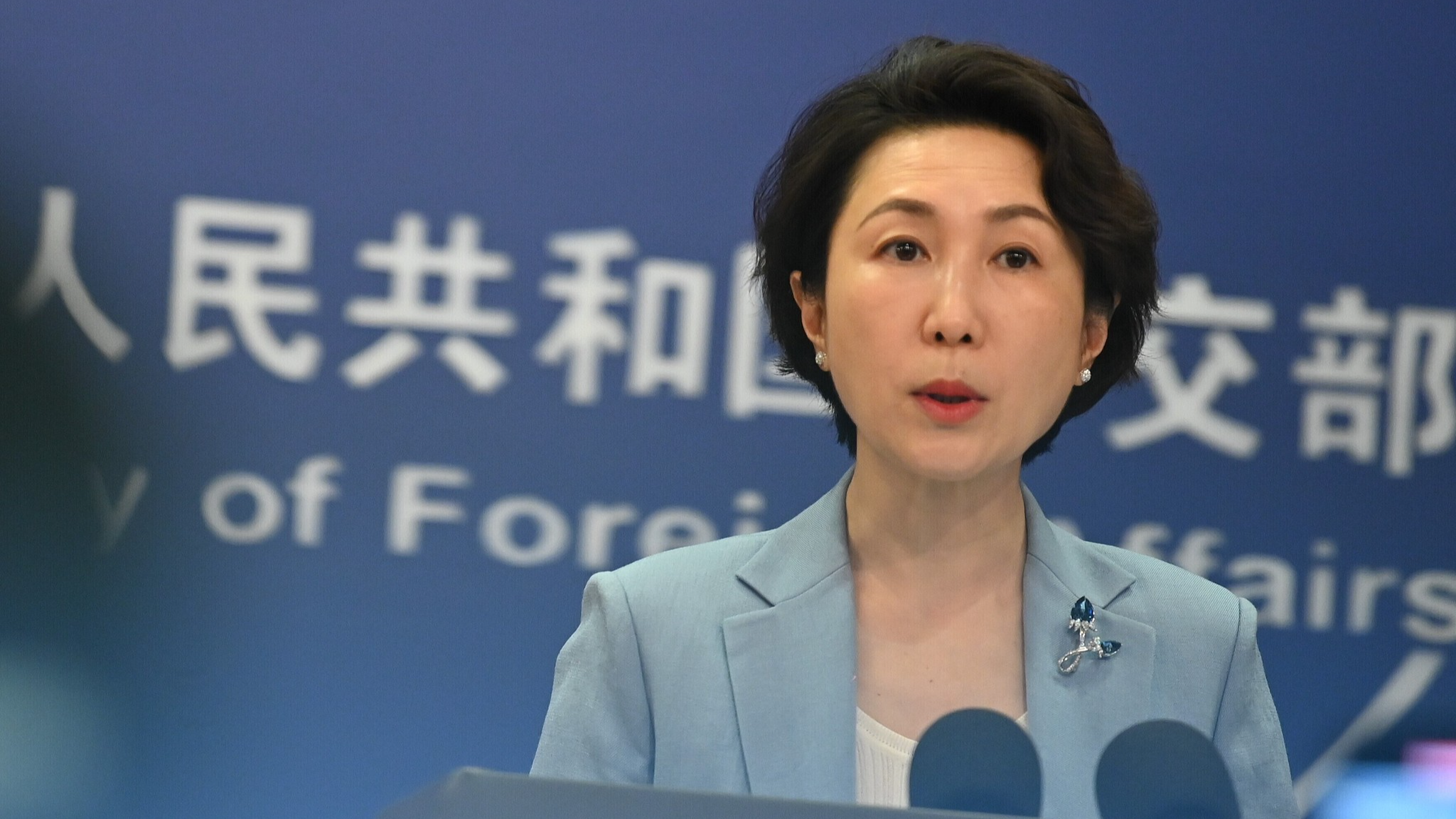
According to the US State Department, the framework was finalized following “intensive diplomatic efforts” involving Switzerland, Oman, and Iraq as intermediaries. Iranian officials confirmed the agreement in a statement released Friday, describing it as a “step toward regional stability.” Meanwhile, China’s Foreign Ministry spokesperson Mao Ning reiterated Beijing’s call for all parties to “respect the agreement and avoid actions that undermine trust.”
The deal comes as regional tensions have surged, with recent clashes in Iraq and Syria raising fears of a broader conflict. The US and Iran have exchanged prisoners in past agreements, but this framework—if fully implemented—could mark the first comprehensive de-escalation effort since the 2018 withdrawal from the Iran nuclear deal.
What Does the US-Iran Agreement Actually Cover?
While the full text of the agreement remains classified, verified reports from BBC and Al Jazeera outline three core components:
- Ceasefire on military actions: Both sides have agreed to halt “direct or proxy attacks” in Iraq, Syria, Lebanon, and Yemen, with monitoring by European diplomats.
- Prisoner swaps: The US and Iran will exchange detained citizens, including American and Iranian nationals held for years. The UAE has also signaled readiness to facilitate releases.
- Diplomatic roadmap: A working group will meet in Switzerland within 30 days to discuss longer-term confidence-building measures, though no timeline for full normalization has been set.
Notably, the agreement does not address Iran’s nuclear program or US sanctions, which remain major sticking points. A Financial Times analysis warns that without progress on these issues, the deal could collapse within months.
Why Switzerland? The Neutral Ground That Made the Deal Possible
The choice of Switzerland as the signing location was no accident. As a neutral host with diplomatic ties to both Washington and Tehran, Switzerland has mediated similar agreements in the past, including the 2015 Iran nuclear deal negotiations. Swiss Foreign Minister Ignazio Cassis confirmed in a statement that Geneva’s Dolder Grand Hotel served as the venue, chosen for its “secure and discreet” facilities.
This approach mirrors past US-Iran indirect talks, such as the 2016 prisoner swap in Oman. However, Switzerland’s role this time is more formal, with the Swiss government acting as a guarantor for the agreement’s initial phases. “Switzerland’s neutrality is a critical asset in these negotiations,” said Swiss Ambassador to Iran, Marc-André Furrer, in a recent interview. “It allows both sides to save face while moving forward.”
China’s endorsement of the deal aligns with its long-standing preference for multilateral diplomacy over unilateral actions. In a statement from the Chinese Foreign Ministry, officials emphasized that the agreement “reflects the will of the international community to prevent further escalation.” This stance contrasts with Israel’s cautious response, which has called the deal “premature” and urged the US to maintain pressure on Tehran.
Key Risks: Why Experts Warn the Deal Could Still Unravel
Despite the optimism, multiple risks threaten the agreement’s longevity. A Crisis Group report identifies three major flashpoints:

- Israeli objections: Prime Minister Benjamin Netanyahu has signaled opposition to any deal that doesn’t include Iranian concessions on its nuclear program or regional proxies. Israel’s recent strikes in Syria—which killed Iranian-backed fighters—could trigger retaliatory attacks.
- US domestic politics: Hardliners in Congress, including Senator Lindsey Graham, have threatened to block any prisoner swap without corresponding Iranian nuclear rollbacks. The Biden administration faces pressure to prove the deal’s benefits outweigh its risks.
- Hardline factions in Iran: The Supreme Leader Ali Khamenei’s office has not yet endorsed the agreement publicly, raising concerns that conservative elements could undermine implementation. Protests in Tehran this week, while unrelated to the deal, reflect broader public skepticism toward engagement with the US.
Additionally, the agreement’s reliance on European monitors—rather than a UN-backed mechanism—could limit its enforcement power. “Without a clear third-party verification process, both sides may have incentives to violate the terms,” warns Dr. Ali Vaez of the International Crisis Group.
What Happens Next? The 30-Day Roadmap and Beyond
The next critical phase begins in 30 days, when the US-Iran working group convenes in Switzerland. Key milestones include:
- Prisoner exchanges: The first batch of releases is expected within 10–14 days, though exact dates remain unconfirmed. The UAE has offered to facilitate logistics.
- Ceasefire verification: European diplomats will deploy to Iraq and Syria to assess compliance. The OSCE has expressed willingness to assist, though its mandate is limited.
- Working group meetings: The first session will focus on confidence-building measures, such as reducing naval patrols in the Strait of Hormuz. A second meeting in June will address longer-term security guarantees.
Beyond the 30-day window, the biggest unknown is whether the agreement can evolve into a broader diplomatic process. Historically, such deals have struggled to sustain momentum. The 2015 nuclear deal collapsed in 2018 when the US withdrew; the 2016 prisoner swap lasted less than a year before tensions flared again. “This agreement is a test of whether both sides are serious about de-escalation—or if they’re just buying time,” says Dr. Ray Takeyh of the Council on Foreign Relations.
China’s Stance: Why Beijing’s Support Matters
China’s public endorsement of the deal reflects its strategic interests in the Middle East. As the region’s largest importer of Iranian oil and a key ally of Tehran, Beijing has long opposed US sanctions. However, China’s support is not unconditional. Analysts note three underlying motivations:
- Energy security: Iran supplies ~500,000 barrels of oil per day to China, a critical supply during global shortages. Stability in the Strait of Hormuz aligns with Beijing’s economic priorities.
- Geopolitical leverage: By positioning itself as a mediator, China strengthens its role as a counterbalance to US influence in the region. Its recent visits to Saudi Arabia and Iran signal a push for independent diplomacy.
- Avoiding spillover: China has warned that regional conflicts could disrupt its Belt and Road Initiative projects in the Gulf. A stable Iran reduces risks to investments in ports like Chabahar.
Yet China’s support also carries risks. If the deal fails, Beijing could face backlash from Tehran for not providing sufficient backing. “China is walking a tightrope,” says Dr. Feng Zhang of the Australian Strategic Policy Institute. “It needs to appear neutral but also protect its economic interests.”
FAQ: What Readers Are Asking About the US-Iran Deal
Q: Will this agreement lead to the lifting of US sanctions on Iran?
A: No. The current framework focuses only on de-escalation and prisoner exchanges. Lifting sanctions would require a new nuclear deal, which is not part of this agreement. The US has made clear that sanctions relief is contingent on Iranian compliance with past obligations.
Q: How many prisoners will be exchanged?
A: Exact numbers remain unconfirmed, but reports suggest 5–7 Americans and an equal number of Iranians will be released. Past swaps have included figures like Dr. Nosratollah Khosravi and Robert Levinson.
Q: Could Israel attack Iran if the deal proceeds?
A: Israel has not ruled out military action, but analysts say a full-scale war is unlikely in the short term. Netanyahu’s government is currently focused on the Gaza conflict. However, targeted strikes—such as the April 13 airstrike in Iraq—could escalate tensions further.
Q: What role will the UN play?
A: The UN is not directly involved in this agreement, unlike the 2015 nuclear deal. Monitoring will be handled by European diplomats, with potential support from the OSCE. The UN Security Council has not issued a statement, but Secretary-General António Guterres has welcomed efforts to reduce tensions.
Q: How does this affect oil prices?
A: Markets have reacted cautiously. Brent crude rose slightly on Friday, reflecting uncertainty over whether the deal will stabilize supply routes. If implemented fully, analysts at IEA estimate Iran could add up to 500,000 barrels per day to global markets within six months.
Q: What happens if the deal fails?
A: A collapse could trigger a rapid escalation. Iran has threatened to retaliate against US bases in Iraq, while Israel may increase strikes on Iranian proxies. China has warned that such a scenario would disrupt regional stability, potentially drawing in other powers.
Next Steps: What to Watch Over the Next 30 Days
The coming weeks will be decisive. Key dates to monitor:
- April 25–30: First prisoner exchanges expected. The UAE will coordinate logistics.
- May 10: European monitors to begin ceasefire assessments in Iraq and Syria.
- May 15: Deadline for Iran to confirm participation in the working group meetings.
- June 1: Second round of talks in Switzerland, focusing on long-term security guarantees.
For real-time updates, follow:
- US State Department (official statements)
- Iranian Foreign Ministry (Tehran’s position)
- Swiss Diplomatic Updates (neutral assessments)
- UN Secretary-General’s Office (global perspective)
As the world watches, one thing is clear: this agreement is not just about US-Iran relations—it’s a test for the future of Middle East diplomacy. Whether it succeeds or fails, the next 30 days will shape the region’s trajectory for years to come.
Maria Petrova is a senior editor covering global geopolitics. She has reported from Tehran, Geneva, and Washington on US-Iran negotiations since 2015. For further analysis, see our special report on Middle East tensions.
What do you think? Will this deal hold, or are we heading toward another crisis? Share your thoughts in the comments below.