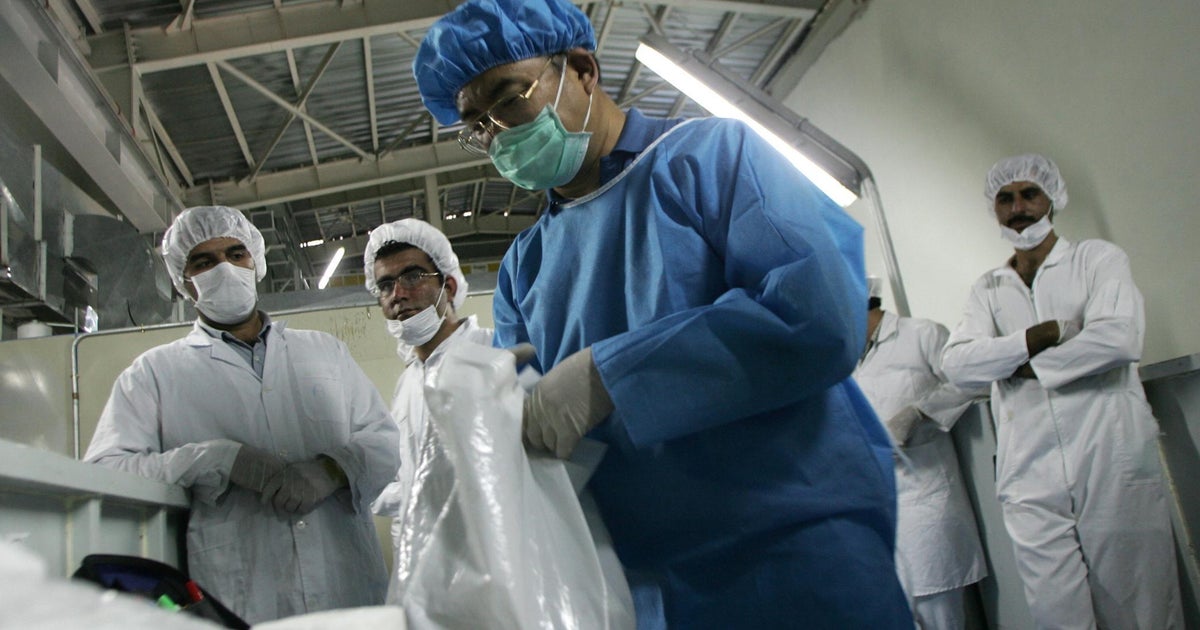
International Atomic Energy Agency (IAEA) Director General Rafael Grossi has confirmed that nuclear site inspections in Iran are expected to continue, despite ongoing geopolitical friction and public disagreements regarding the timing of these missions. While the United States and Iran remain at odds over the scope of nuclear monitoring and broader diplomatic protocols, Grossi emphasized that the technical necessity for continued oversight remains a priority for the agency, even if the precise timeline is not currently considered an essential point of immediate contention.
The IAEA’s mandate involves verifying that Iran’s nuclear program remains exclusively peaceful, a role that necessitates regular access to facilities across the country. According to official reports from the International Atomic Energy Agency, the agency maintains a continuous presence to monitor enrichment levels and ensure compliance with international safeguards. This verification process serves as a cornerstone of global non-proliferation efforts, though it is frequently subject to the shifting political climate between Tehran and Washington.
Status of Nuclear Safeguards and Monitoring
The question of nuclear site inspections has become a focal point of public negotiation between the U.S. and Iran. While U.S. officials have frequently raised concerns about the transparency of Iran’s nuclear activities, Iranian authorities have countered by criticizing the effectiveness of existing sanctions and the U.S. withdrawal from previous multilateral agreements. As reported by Reuters, the IAEA operates under a strict legal framework that requires member states to provide access to designated sites, yet the practical implementation of these inspections often requires complex diplomatic coordination.
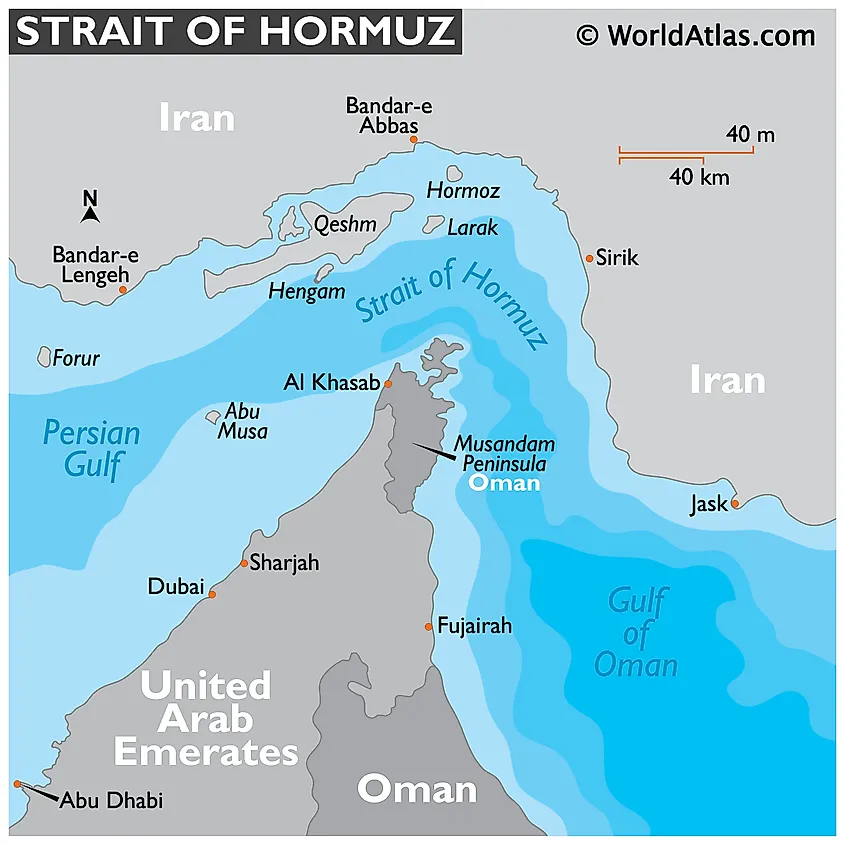
The current impasse reflects a broader dispute over the future of nuclear diplomacy. While the U.S. government maintains that rigorous and frequent inspections are non-negotiable to prevent nuclear proliferation, Iranian officials have argued that the IAEA must remain impartial and avoid becoming a tool for political pressure. This tension is further complicated by disagreements over secondary issues, including maritime security and fees related to transit through the Strait of Hormuz, as noted in recent analyses by PBS NewsHour.
Geopolitical Context and Public Negotiations
Negotiations regarding nuclear policy are increasingly taking place in the public sphere, with both Washington and Tehran utilizing media statements to signal their respective positions. This trend has led to conflicting narratives regarding the progress of talks and the sincerity of both parties in reaching a durable solution. According to reporting from the Associated Press, the public nature of these disputes highlights the difficulty of establishing a private, consistent channel for diplomatic communication.

The friction is not limited to nuclear site access. The U.S. has consistently pushed for stricter limitations on Iran’s uranium enrichment capabilities, while Iran maintains that its nuclear program is designed for energy production and scientific research. These conflicting objectives have made the role of the IAEA particularly delicate, as the agency must balance the technical requirements of its inspectors with the political volatility of the host nation. The Deutsche Welle news service has documented how these broader regional tensions often stall progress on technical verification protocols.
What Happens Next
The next phase of engagement will likely be defined by the upcoming meetings of the IAEA Board of Governors, where member states will review the agency’s latest reports on Iran’s nuclear activities. These meetings serve as the primary venue for discussing whether Iran is meeting its obligations under the Nuclear Non-Proliferation Treaty. Observers are also monitoring for any updates regarding potential direct or indirect talks between U.S. and Iranian envoys, which remain the most likely path to resolving the current impasse.

For those tracking the situation, the IAEA provides official updates and periodic reports on its website regarding its monitoring activities in Iran. These documents serve as the authoritative source for data on uranium enrichment levels and the status of site access. As of the latest updates, no specific date has been set for a breakthrough in the broader diplomatic dispute, and the international community continues to rely on the IAEA’s technical assessments to gauge the security implications of the current standoff.
We invite readers to share their analysis of these developments in the comments section below. As the situation evolves, we will continue to provide updates based on verified reports from international monitors and official government statements.
- Seattle Mayor Katie Wilson Faces Recall Petition Over Public Safety Concerns
- Liberal Frontbencher Sparks Outrage: “Put a Jumper On” Instead of Stricter Housing Standards
- Tasmania Confirms First H5N1 Bird Flu Case in Migratory Skua (time.news)
- Iran Disputes Trump Claims as Strait of Hormuz Traffic Plummets (newsdirectory3.com)