Diplomatic efforts to secure a long-term peace agreement between the United States and Iran remain stalled as regional tensions escalate, marked by recent maritime incidents in the Strait of Hormuz and a persistent refusal by Hezbollah to disarm. The current impasse reflects a broader failure to align on nuclear compliance, regional security, and the status of proxy forces that operate across the Middle East.
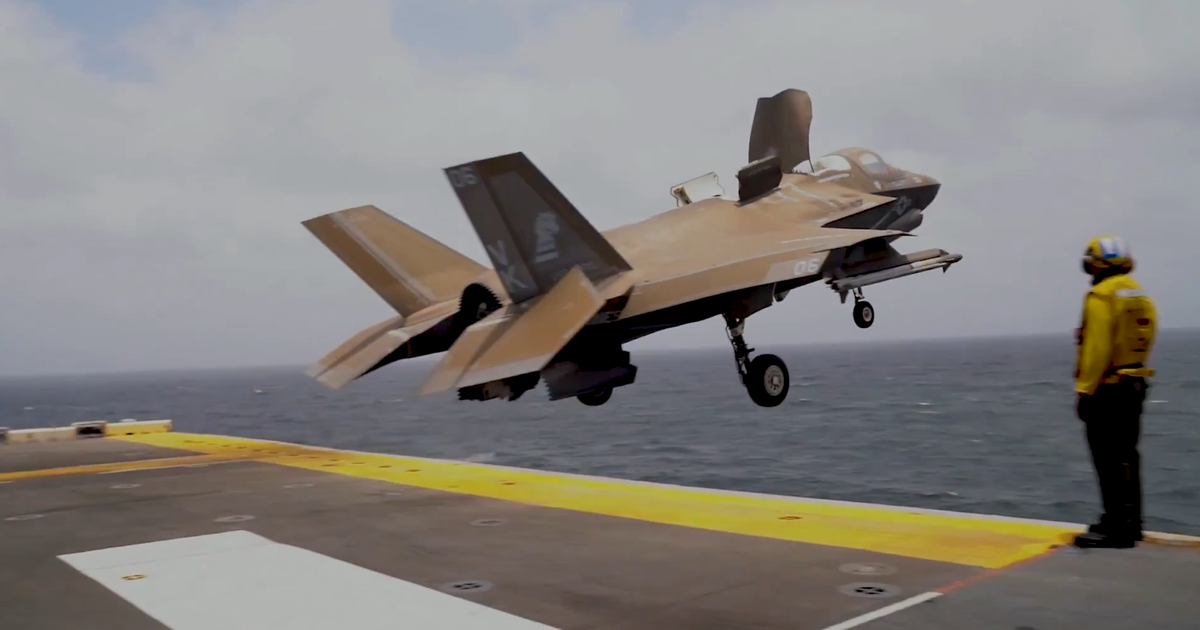
The latest friction point involves reports of Iranian military interference with commercial shipping in the Strait of Hormuz, a critical global energy chokepoint. While the U.S. Navy’s 5th Fleet has increased its patrol presence to deter further disruptions, the Iranian government maintains that its naval activities are routine exercises within its territorial waters. These ongoing maritime confrontations have complicated back-channel negotiations, as Washington insists that freedom of navigation is a non-negotiable prerequisite for any broader diplomatic thaw.
The Stalled Nuclear Negotiations
At the center of the diplomatic gridlock is the Joint Comprehensive Plan of Action (JCPOA). Despite intermittent talks in Vienna and indirect communication mediated by regional partners, the two nations remain deeply divided over the scope of International Atomic Energy Agency (IAEA) inspections. The IAEA has expressed ongoing concern regarding Iran’s decision to limit access to monitoring equipment, which the agency states is essential for verifying the peaceful nature of Tehran’s nuclear program.
U.S. officials maintain that Tehran’s rapid advancement in uranium enrichment has significantly narrowed the window for a return to the original terms. Iran, conversely, argues that the U.S. must provide concrete guarantees that future administrations will not unilaterally exit a renewed agreement.
Hezbollah and Regional Proxy Dynamics
Beyond the nuclear file, the U.S. has increasingly linked the peace process to the behavior of Iranian-aligned groups, most notably Hezbollah in Lebanon. Hezbollah, a powerful political and militant organization, continues to reject calls from Western governments and the United Nations to disarm. The group’s refusal to comply with Resolution 1701—which mandates the disarmament of all armed groups in Lebanon—remains a primary obstacle to regional stability.
Analysts note that Iran views its regional proxies as essential components of its “forward defense” strategy. By maintaining a network of allied militias, Tehran exerts influence from the Levant to the Persian Gulf. For the U.S., any peace deal that fails to address the proliferation of precision-guided munitions to these groups is viewed as incomplete. The disparity between U.S. demands for regional security and Iran’s strategic reliance on these proxies creates a fundamental misalignment that current diplomatic channels have yet to bridge.
Comparing Strategic Perspectives
The current impasse highlights a clear divergence in how the two nations define “security.” For Washington, the priority is the containment of nuclear proliferation and the protection of global maritime lanes. For Tehran, the priority is the removal of crippling economic sanctions and the preservation of its regional influence, which it asserts is a sovereign right. These competing agendas are summarized in the following table based on recent state statements and international reporting:
| Issue | U.S. Position | Iranian Position |
|---|---|---|
| Nuclear Program | Return to strict IAEA oversight and lower enrichment levels. | Guaranteed sanctions relief and right to peaceful nuclear technology. |
| Regional Proxies | End support for militant groups like Hezbollah. | Defense of regional alliances as a deterrent against foreign intervention. |
| Maritime Security | Ensure freedom of navigation in the Strait of Hormuz. | Assertion of right to monitor and control territorial waters. |
What Happens Next
The next major checkpoint for these negotiations involves the upcoming quarterly meeting of the IAEA Board of Governors, where member states are expected to review the latest reports on Iran’s nuclear stockpile. While formal, direct talks between the U.S. and Iran remain suspended, diplomatic sources indicate that informal exchanges continue through intermediaries in Oman and Qatar.

Until a breakthrough occurs, the risk of miscalculation in the Strait of Hormuz remains high. The U.S. We encourage readers to join the conversation in the comments section below regarding the long-term viability of these diplomatic efforts.
Worth a look