
Trump’s Iran Diplomacy: ‘Not a Simple Thing’—What’s Next in High-Stakes Talks?
U.S. President Donald Trump, returning to the White House for a second term after a landslide 2024 victory, has reaffirmed that indirect negotiations with Iran remain active, framing the potential nuclear deal as “not a simple thing” to finalize. As tensions simmer in the Middle East—amid Israeli strikes in Lebanon and reports of Iran halting diplomatic communications—Trump’s administration faces pressure to balance hardline rhetoric with the need for a diplomatic breakthrough.
Trump’s comments, delivered during a press briefing on May 31, 2026, underscore the complexity of reviving talks that stalled under his predecessor, Joe Biden. The president emphasized that while progress is being made through backchannel channels, the path to an agreement involves “many moving parts,” including sanctions relief, regional security guarantees, and verification mechanisms. “This is not a simple thing,” Trump stated, adding that his team remains engaged despite recent setbacks.
The latest developments come as Iran’s state media reported a suspension of talks with the U.S. Over escalating violence in Lebanon, where Israeli airstrikes have targeted Hezbollah positions. Iranian officials, citing “unacceptable aggression,” have reportedly halted direct message exchanges with U.S. Envoys, raising concerns about a potential breakdown in negotiations. Meanwhile, the Tasnim News Agency—a mouthpiece for Iran’s Islamic Revolutionary Guard Corps (IRGC)—has warned of possible disruptions to shipping in the Strait of Hormuz, a critical chokepoint for global oil supplies.
President Trump’s latest remarks on Iran:
“The Iran deal is not a simple thing. We’re making progress, but We find many layers to this. America’s security comes first.”
Why This Matters: The Stakes of a Nuclear Deal
A revived Iran nuclear deal—often referred to as a “JCPOA 2.0” (Joint Comprehensive Plan of Action)—would aim to curb Tehran’s uranium enrichment capabilities in exchange for sanctions relief. The original 2015 accord, abandoned by Trump in 2018, had significantly reduced Iran’s nuclear stockpile but was criticized for loopholes and insufficient enforcement. Under Trump’s current administration, negotiators are reportedly pushing for stricter inspections, longer enrichment moratoriums, and penalties for Iranian support of proxy groups like Hezbollah.

The challenges are formidable. Iran’s Supreme Leader Ayatollah Ali Khamenei has repeatedly rejected direct negotiations with the U.S., insisting on indirect talks via regional allies. Meanwhile, Israel—an adamant opponent of any deal—has intensified military operations in Lebanon, arguing that Iran’s regional influence must be contained before diplomacy can succeed. “Israel will not allow Iran to gain nuclear capabilities,” Israeli Prime Minister Benjamin Netanyahu stated in a May 28 address, reaffirming Jerusalem’s red lines.
Recent Escalations: Lebanon, Hormuz, and the Risk of Miscalculation
The past week has seen a sharp uptick in hostilities. Israeli airstrikes in southern Lebanon, targeting Hezbollah infrastructure, have prompted Iran to accuse the U.S. Of “abetting aggression.” Iranian state media cited “unprecedented” attacks as justification for suspending diplomatic channels, though U.S. Officials have denied direct involvement in the Lebanese strikes. The Strait of Hormuz—through which 20% of the world’s oil passes—remains a flashpoint, with IRGC-affiliated sources hinting at “retaliatory measures” if negotiations collapse.
Key verified developments:
- May 28–31, 2026: Israeli Defense Forces (IDF) conducted airstrikes in Lebanon’s Baalbek region, targeting Hezbollah weapons depots (Reuters).
- May 30, 2026: Iran’s Tasnim News Agency reported halting “direct communication” with U.S. Envoys, citing “hostile actions” (Tasnim).
- June 1, 2026: White House Press Secretary Karine Jean-Pierre confirmed “ongoing indirect talks” but declined to specify timelines (White House).
Trump’s Approach: Hardline Rhetoric Meets Diplomatic Pragmatism
Trump, who withdrew from the JCPOA in 2018 with the slogan “maximum pressure,” has adopted a more nuanced stance in his second term. While his administration has reimposed sanctions on Iranian entities linked to ballistic missile programs, leaked internal documents suggest a willingness to engage in “limited sanctions relief” as an incentive for concessions. However, Trump’s public posture remains defiant, echoing his 2017–2021 era.
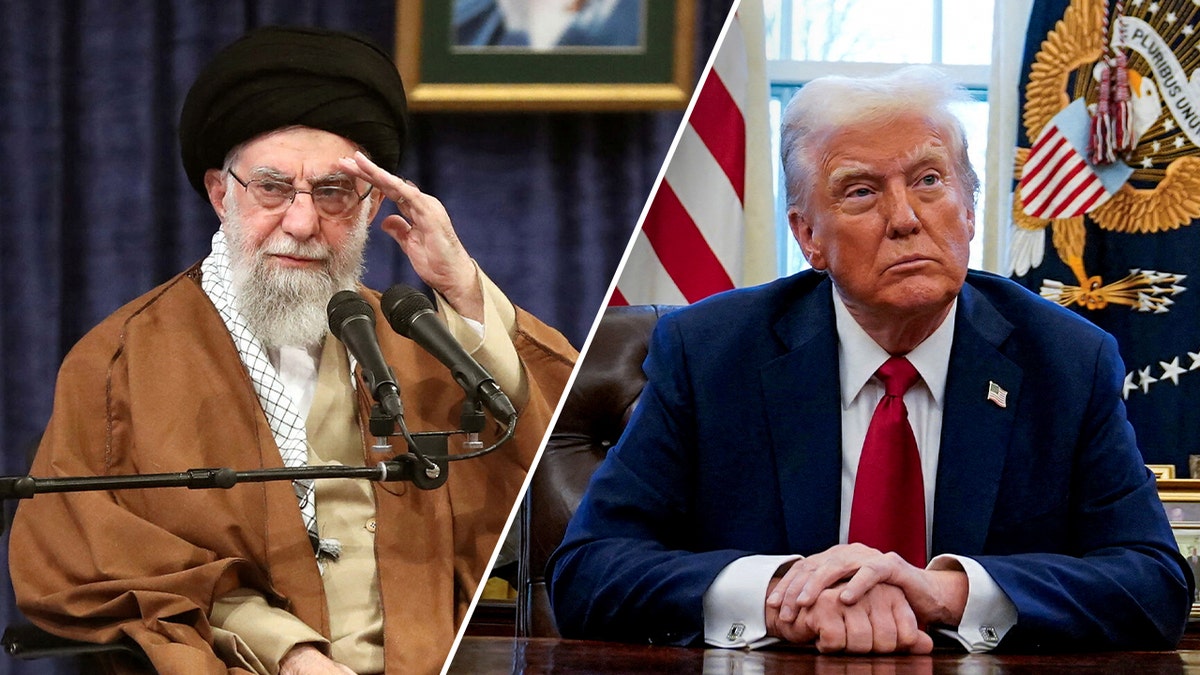
“We will not repeat the mistakes of the past,” Trump told reporters, referencing the Obama-era deal. “This time, the terms will be non-negotiable: no enrichment, no proxies, no threats to Israel.” His administration is reportedly pushing for a “sunset clause” in any agreement, allowing the U.S. To reimpose sanctions automatically if Iran violates terms—a demand Tehran has dismissed as “unacceptable.”
Who Stands to Gain—or Lose?
Stakeholders in the Iran talks:
- United States: Seeks to prevent Iran from acquiring nuclear weapons while avoiding another prolonged conflict. Trump’s base demands a tough stance, but business lobbies (e.g., oil, tech) favor stability.
- Iran: Prioritizes sanctions relief for its struggling economy but faces domestic pressure from hardliners who oppose concessions to the U.S.
- Israel: Views any deal as a strategic threat, with Netanyahu’s government pushing for preemptive military options if diplomacy fails.
- Regional Allies (Saudi Arabia, UAE): Prefer a contained Iran but fear instability if talks collapse, potentially triggering a wider war.
- Russia and China: Have historically supported Iran diplomatically but may privately urge restraint to avoid disrupting global oil markets.
What Happens Next: The Road Ahead
With no public deadline set, the next critical juncture will likely be the June 15, 2026 meeting of the UN Security Council, where Iran’s nuclear program will be discussed. Analysts warn that if talks stall, Iran may accelerate uranium enrichment, bringing it closer to a nuclear threshold. Meanwhile, Israel’s military campaign in Lebanon risks drawing Iran deeper into the conflict, complicating any diplomatic path.
Trump’s team is reportedly exploring a “phased” approach, where initial sanctions relief could be tied to verifiable reductions in Iran’s nuclear stockpile. However, without a breakthrough on regional security guarantees—particularly regarding Hezbollah’s arms buildup—the prospects for a deal remain slim.
Key Takeaways
- Negotiations continue indirectly, but Iran has suspended direct communications with the U.S.
- Israeli strikes in Lebanon have heightened tensions, with Iran accusing the U.S. Of indirect involvement.
- Trump’s administration insists on stricter terms than the 2015 JCPOA, including sunset clauses and proxy group restrictions.
- The Strait of Hormuz remains a flashpoint, with Iran hinting at potential disruptions to shipping.
- No public timeline exists, but the UN Security Council’s June 15 session could force a decision.
Where to Follow Updates
For the latest official statements:
- White House Briefings (Daily updates on Iran policy)
- U.S. Department of State (Diplomatic communications)
- International Atomic Energy Agency (IAEA) (Nuclear verification reports)
- Reuters Middle East (Real-time conflict updates)
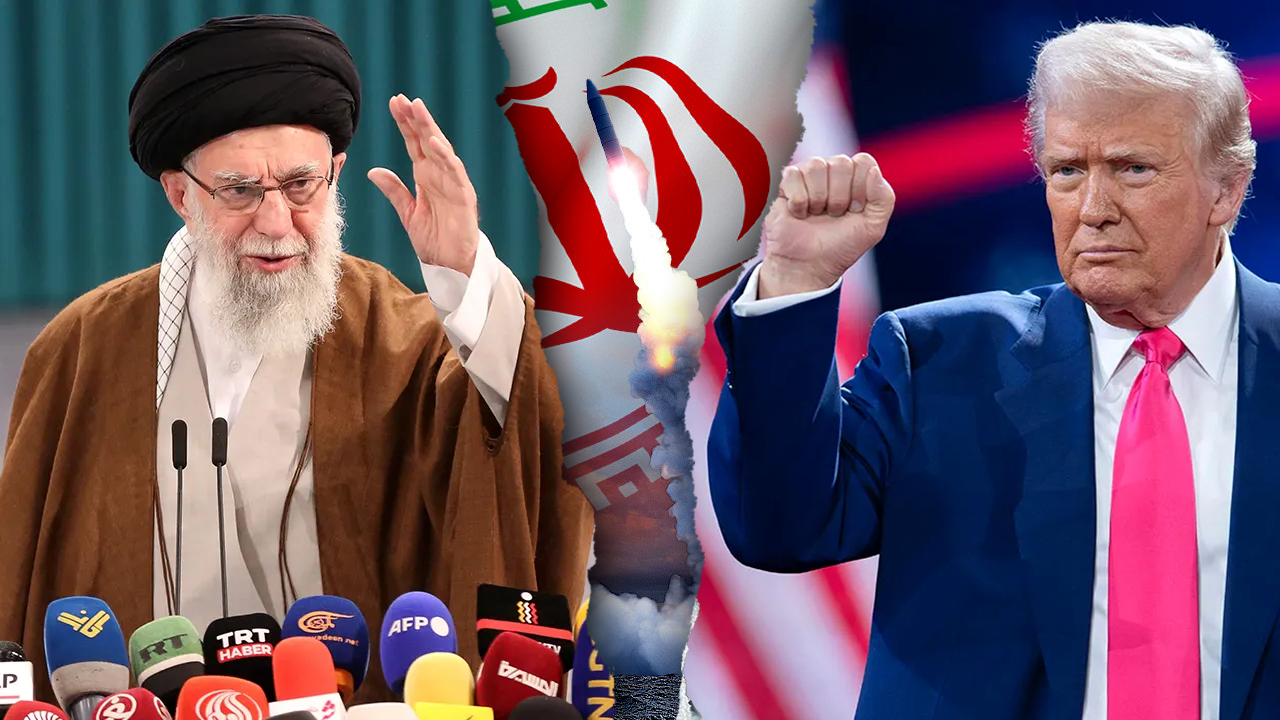
As the clock ticks toward the UN Security Council meeting, all eyes are on whether Trump’s administration can navigate the treacherous waters of Iran diplomacy—or if the region will lurch toward further confrontation. With no signs of de-escalation in Lebanon and growing skepticism in Tehran, the coming weeks may determine whether diplomacy prevails or if the world braces for a new phase of Middle East instability.
What do you think? Should the U.S. Prioritize diplomacy over military pressure with Iran? Share your views in the comments below—or tag @WorldTodayJournal to join the discussion.
Worth a look
- Tuskegee University President Dr. Mark Brown’s Latest Initiatives
- 15 Best Made in Hérault Products to Buy and Taste
- Henry Pollock Worth £1m-a-Year, Says Eddie Hearn Amid Northampton Contract Talks (archynewsy.com)
- Trump Slams Iran’s Duplicity and Warns Blockade Will Remain Amid Stalled Talks (world-today-news.com)