
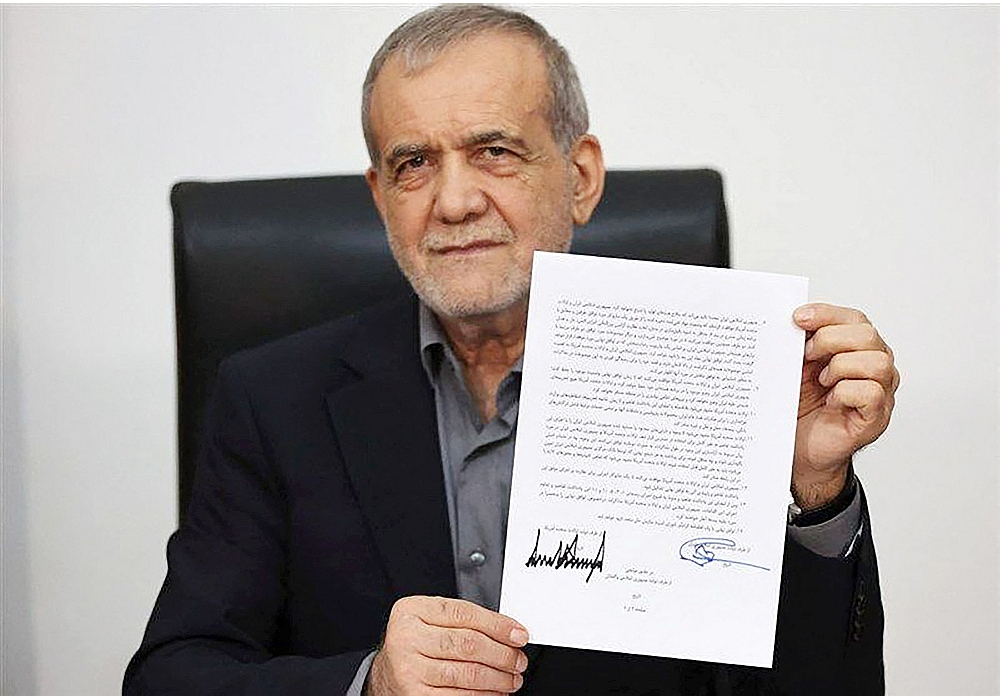
International observers and political analysts are currently scrutinizing the shifting dynamics of United States-Iran relations, as recent reports of potential diplomatic agreements face intense criticism regarding the perceived concessions involved. The discourse centers on whether these proposed frameworks provide a sustainable path toward regional stability or if they represent a weakening of established international pressure campaigns. This debate occurs against a backdrop of fluctuating global oil prices and increasing tensions surrounding maritime security in the Strait of Hormuz.
According to reports from the Reuters news agency, market volatility in the energy sector has been partially linked to the uncertainty surrounding potential sanctions relief for Iran. While some diplomatic channels remain open, the prospect of a formal, comprehensive agreement remains contested by various stakeholders, including U.S. lawmakers and regional energy analysts who argue that “over-concession” could undermine long-term security objectives. The U.S. Energy Information Administration notes that global oil markets remain highly sensitive to any geopolitical shifts that could impact the supply chain through critical waterways.
The Debate Over Diplomatic Concessions
Critics of the current diplomatic trajectory argue that the administration’s approach risks repeating past mistakes by offering tangible economic benefits in exchange for temporary or unverifiable commitments. As detailed by the New York Times, domestic opposition within the United States highlights concerns that any deal falling short of the 2015 Joint Comprehensive Plan of Action (JCPOA) standards would be insufficient to curb Iran’s nuclear enrichment capabilities. These critics often point to the “maximum pressure” strategy previously employed as a more effective benchmark for containment.

Conversely, proponents of the current diplomatic efforts maintain that direct engagement is the only viable alternative to military escalation. According to the U.S. Department of State, the policy objective remains centered on preventing Iran from obtaining a nuclear weapon through a combination of deterrence and diplomacy. The administration has consistently characterized these discussions as “pragmatic” rather than a wholesale policy shift, emphasizing that any relief would be calibrated based on verified compliance with international monitoring standards.
Maritime Security and the Strait of Hormuz
The strategic importance of the Strait of Hormuz remains a central pillar of the ongoing tension. Reports have emerged suggesting that Iranian authorities have considered implementing transit fees for commercial vessels, a move that would challenge international maritime law and freedom of navigation principles. The Maritime Executive reports that such actions would likely trigger a robust response from the U.S. Fifth Fleet, which maintains a constant patrol presence in the region to ensure the flow of energy resources remains uninterrupted.

The potential for these transit fees is viewed by analysts as a signaling mechanism rather than a functional economic policy. By threatening to disrupt one of the world’s most critical oil chokepoints, Tehran seeks to exert leverage in broader negotiations. According to data provided by the U.S. Energy Information Administration, approximately 21 million barrels of oil per day passed through the Strait of Hormuz in 2022, representing roughly 21% of global petroleum liquids consumption. Any disruption to this transit route would have immediate, significant impacts on global inflation and energy security.
Economic Implications for Global Markets
The intersection of diplomacy and energy prices has created a complex environment for investors. When news of potential breakthroughs in U.S.-Iran talks surfaces, oil prices have historically experienced short-term dips due to the expectation of increased supply entering the global market. However, as the Financial Times has observed, these price movements are often reversed quickly when geopolitical realities—such as the lack of a finalized, binding agreement—become apparent.
For the average consumer, these fluctuations translate into varying costs at the pump and changes in the price of consumer goods. Analysts at the International Energy Agency suggest that unless there is a structural change in the supply-demand balance, market volatility will persist. The current situation highlights the reliance of the global economy on the stability of Middle Eastern diplomacy and the persistent, if sometimes erratic, influence of geopolitical negotiations on daily economic life.
Future Outlook and Scheduled Updates
As of late 2023, there is no set date for a formal, high-level summit between U.S. and Iranian officials to finalize a new agreement. The situation remains fluid, with international monitors from the International Atomic Energy Agency (IAEA) continuing to report on Iran’s nuclear activities. Observers are looking toward upcoming quarterly reports from the IAEA for updated verification data regarding enrichment levels and surveillance access.

Readers interested in tracking these developments should monitor the official press briefings from the U.S. Department of State and the periodic statements released by the IAEA. As this story evolves, it remains clear that the balance between containment and cooperation will continue to define the international approach to the region. We welcome your thoughts on these developments in the comments section below; please ensure all contributions remain civil and focused on the verified facts of the ongoing diplomatic process.