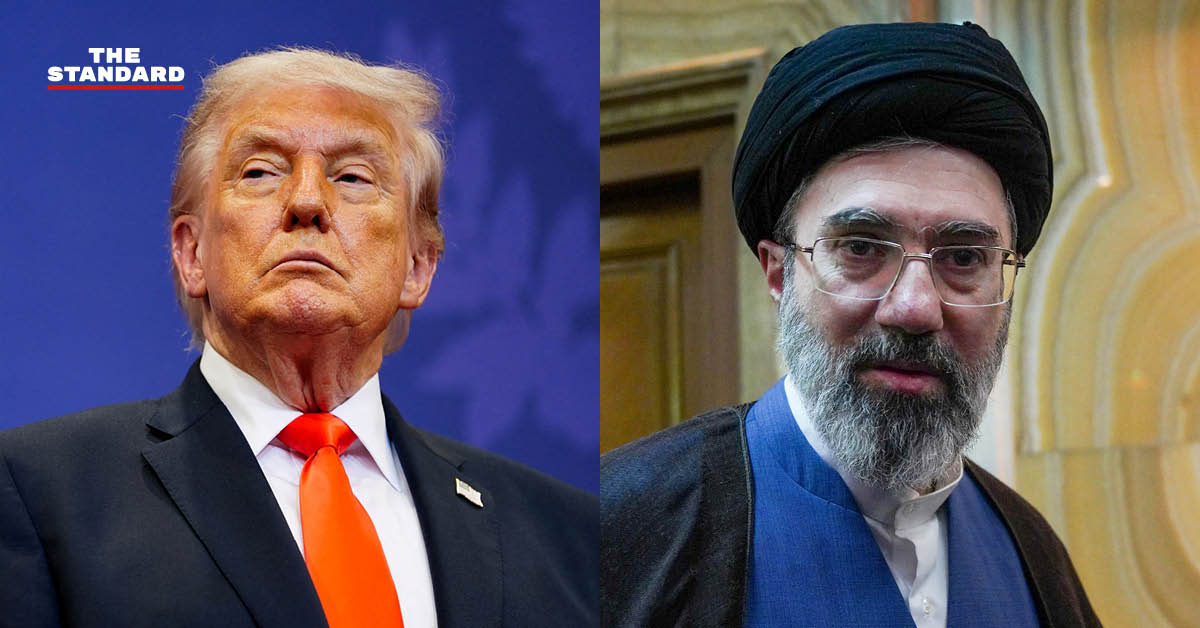
Sofia, Bulgaria — May 7, 2026 — After weeks of escalating tensions and coordinated military strikes, the United States and Iran have reached a provisional agreement to suspend hostilities for 30 days. The ceasefire, brokered with the assistance of international mediators, includes commitments to reopen the critical Strait of Hormuz to shipping traffic and resume negotiations on nuclear policies. While the deal marks a fragile step toward de-escalation, its long-term viability remains uncertain as regional powers and global markets react to the shifting dynamics.
The announcement comes amid heightened concerns over regional stability, with global oil prices and financial markets showing volatility in response to the evolving situation. The Strait of Hormuz, a vital chokepoint for approximately 20% of the world’s seaborne oil trade, has been a flashpoint in recent conflicts and its reopening is a key demand of the international community.
While the specifics of the agreement have not yet been fully disclosed, early reports suggest that the US has suspended military operations targeting Iranian facilities and personnel, while Iran has committed to allowing commercial shipping to pass through the Strait of Hormuz without obstruction. The deal similarly paves the way for renewed talks on Iran’s nuclear program, a long-stalled diplomatic effort that has dominated regional security discussions for over a decade.
Key Terms of the Ceasefire Agreement
The provisional ceasefire, effective immediately, includes the following major components:
- 30-Day Truce: Both sides have agreed to halt military actions against each other for a period of 30 days, with the possibility of extension if further negotiations prove fruitful.
- Reopening of the Strait of Hormuz: Iran has committed to ensuring the free passage of commercial shipping through the Strait, a move that is expected to stabilize global oil markets and reduce geopolitical tensions.
- Nuclear Talks: The agreement includes a framework for resuming negotiations on Iran’s nuclear program, though details on the scope and timeline of these discussions remain unclear.
- Sanctions Relief: Early indications suggest that the US may consider easing certain sanctions in exchange for Iranian compliance with the ceasefire and nuclear negotiations. But, no formal announcements have been made.
Pakistan’s Prime Minister Shehbaz Sharif, who has been actively mediating between the two sides, confirmed the ceasefire in a statement early Wednesday. “This is a significant step toward peace,” Sharif said. “We urge all parties to honor their commitments and work toward a lasting resolution.” His office did not provide further details on the negotiations or the role of other regional actors.
Regional and Global Reactions
The ceasefire has sparked a mix of relief and cautious optimism across the globe. In Europe, France has dispatched a naval task force to the Red Sea, including an aircraft carrier, as part of a broader effort to protect maritime traffic in the region. The move underscores the continued concern over potential disruptions to global trade routes.

In the Middle East, reactions have been more divided. Israel, which has been a key US ally in the region, has not yet issued an official statement but is reported to be monitoring the situation closely. Analysts suggest that Israel may seek assurances from the US regarding Iran’s long-term intentions before fully endorsing the ceasefire.
Global financial markets have reacted positively to the news, with oil prices showing signs of stabilization and stock indices in the US and Europe rising on hopes of reduced geopolitical risks. However, economists warn that the markets remain volatile and could reverse course if the ceasefire collapses or if modern tensions emerge.
What Happens Next?
The next critical phase will focus on implementing the ceasefire and resuming nuclear negotiations. The following steps are expected:
- Verification of the Truce: International monitors, including representatives from the United Nations and regional powers, will be deployed to verify compliance with the ceasefire agreement. The US and Iran have not yet disclosed the specifics of the monitoring process.
- Nuclear Talks: Diplomats from the US, Iran, and other parties to the Joint Comprehensive Plan of Action (JCPOA) are expected to reconvene in the coming days to discuss the framework for renewed negotiations. The focus will likely include Iran’s uranium enrichment activities and the lifting of sanctions.
- Economic and Sanctions Dialogue: The US has indicated that it is open to discussing sanctions relief, but any such measures will depend on Iran’s cooperation and progress in the nuclear talks. The exact terms of any potential sanctions easing have not been disclosed.
- Regional Security: Other regional actors, including Saudi Arabia, the United Arab Emirates, and Turkey, will play a crucial role in shaping the outcome of the negotiations. Their support or opposition could significantly impact the ceasefire’s longevity.
Why This Matters: The Strait of Hormuz and Global Energy Security
The Strait of Hormuz is one of the most strategically important waterways in the world. Located between Iran and Oman, it serves as a critical transit point for oil tankers transporting approximately 20 million barrels of oil per day, or roughly 20% of global oil supplies. Disruptions in the Strait have historically led to sharp spikes in oil prices and economic instability.
For example, during the 2019 tensions between the US and Iran, attacks on commercial ships in the Strait led to a 15% increase in Brent crude prices within weeks. The current ceasefire, if upheld, could prevent a similar scenario and provide much-needed relief to global energy markets.
Beyond energy security, the Strait of Hormuz is also a key transit point for liquefied natural gas (LNG) and other critical commodities. Its reopening is seen as a positive signal for global trade and economic stability, particularly in light of ongoing supply chain disruptions.
Potential Challenges and Risks
While the ceasefire represents a significant step forward, several challenges could derail the agreement:
- Lack of Trust: Decades of hostility between the US and Iran have eroded trust, and both sides may struggle to fully commit to the terms of the ceasefire without clear assurances.
- Hardline Factions: Domestic political dynamics in both countries could pose obstacles. In Iran, hardline factions may oppose concessions, while in the US, hawkish elements in Congress and the administration could resist any perceived weakening of sanctions.
- Regional Rivalries: Other actors in the Middle East, such as Israel and Saudi Arabia, may view the ceasefire as an opportunity to negotiate their own interests, potentially complicating the process.
- Economic Pressures: Sanctions relief, if granted, could face resistance from US lawmakers and allies concerned about Iran’s regional influence and nuclear ambitions.
What You Need to Know: FAQ
Q: Will the ceasefire lead to a permanent peace agreement?

A: Unlikely in the short term. The 30-day ceasefire is a provisional step aimed at reducing tensions and creating space for negotiations. A permanent peace agreement would require extensive diplomatic efforts and concessions from both sides.
Q: How will the reopening of the Strait of Hormuz affect oil prices?
A: The reopening should stabilize oil prices by reducing the risk of supply disruptions. However, prices will also depend on broader market factors, including global demand and OPEC+ production decisions. Analysts suggest that Brent crude could see a modest decline of 5-10% if the ceasefire holds.
Q: What role will Pakistan play in the negotiations?
A: Pakistan’s Prime Minister Shehbaz Sharif has been a key mediator in the ceasefire talks. His government is expected to continue facilitating dialogue between the US and Iran, though the exact nature of Pakistan’s involvement in future negotiations remains unclear.
Q: Could the US impose new sanctions on countries supplying weapons to Iran?
A: The US has previously threatened to impose sanctions on countries that violate its restrictions on arms sales to Iran. While the ceasefire may create a temporary pause in such actions, the US could reinstate sanctions if Iran fails to comply with the agreement or if tensions resurface.
Q: What is the timeline for nuclear talks?
A: Nuclear negotiations are expected to commence in the coming days, with initial meetings likely focused on setting the framework for discussions. A detailed agenda and timeline have not yet been announced, but diplomats aim to avoid the prolonged stalemates seen in previous rounds of talks.
Next Steps and Official Updates
The next critical checkpoint will be the first formal meeting between US and Iranian negotiators, expected to take place within the next 72 hours. Official updates on the status of the ceasefire and nuclear talks will be provided by:
- The US Department of State
- The United Nations
- The Islamic Republic News Agency (IRNA)
- The Prime Minister’s Office of Pakistan
For real-time updates on oil prices and market reactions, follow reports from Bloomberg Markets and Reuters Commodities.
We welcome your insights and questions on this developing story. Share your thoughts in the comments below or join the discussion on our social media channels.
Keep reading
- Colombia Earthquake: Deadly 7.4 Magnitude Tremor Triggers Desperate Search for Survivors
- Florida to Test Electric Air Taxis and Autonomous Vehicles by 2026
- Stock Futures Waver and Oil Rises Amid Middle East Tensions and Iran Stances (archynewsy.com)
- GTA 6 Pre-Orders Surge as Take-Two CEO Discusses Pricing, Physical Discs, and Streaming Strategy (newsdirectory3.com)