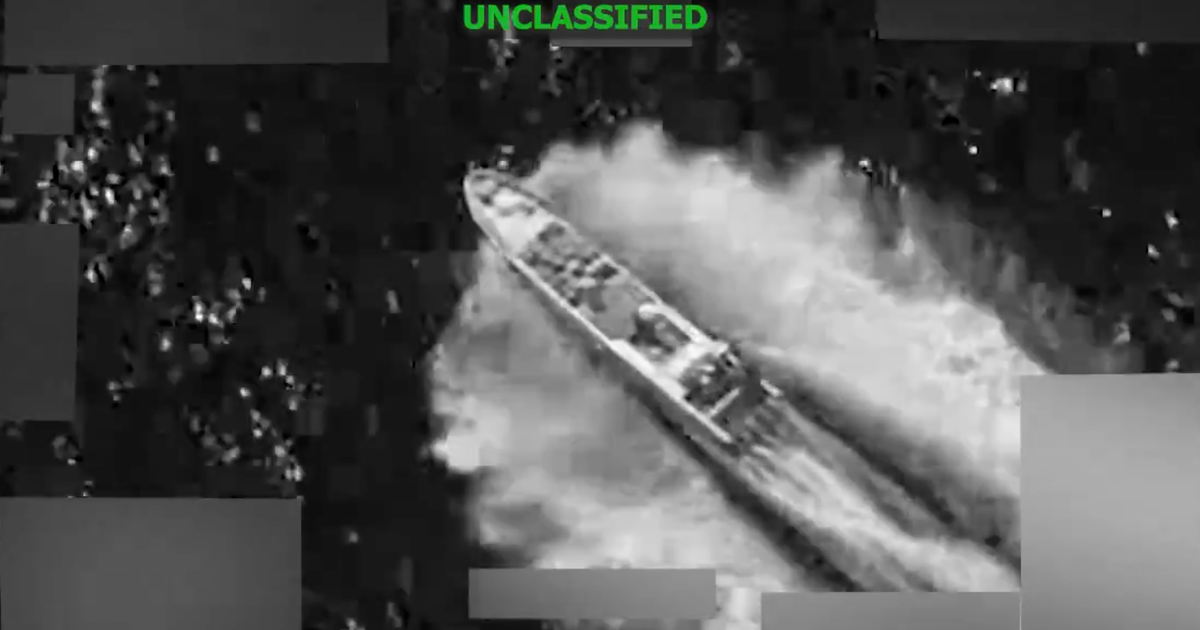
Three people died following a U.S. military engagement with a suspected drug-smuggling vessel in the eastern Pacific Ocean, according to a statement released by the Pentagon. The incident occurred as U.S. forces conducted counter-narcotics operations in international waters, a region frequently patrolled by the U.S. Coast Guard and Navy to intercept illicit shipments destined for North American markets.
The U.S. military has not yet released the identities of the deceased or the specific flag state of the vessel involved in the eastern Pacific drug boat strike. The operation is part of an ongoing regional security strategy aimed at disrupting maritime trafficking routes. According to the U.S. Department of Defense, these missions are designed to interdict large-scale shipments of illicit substances before they reach coastal transit zones.
Operational Context in the Eastern Pacific
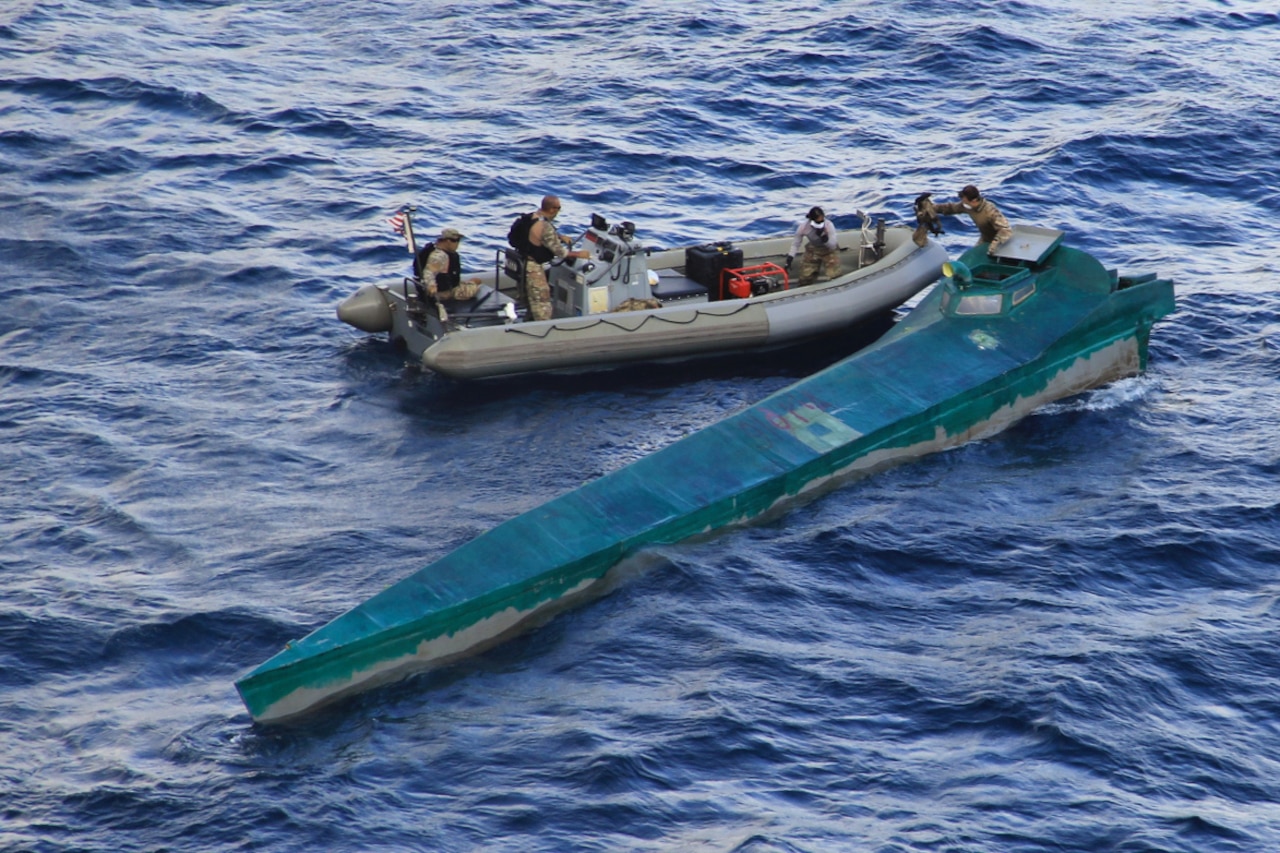
The eastern Pacific remains a primary corridor for maritime drug trafficking, with transnational criminal organizations utilizing semi-submersible vessels and go-fast boats to move cargo. U.S. interdiction efforts in this theater are coordinated under the umbrella of U.S. Southern Command (SOUTHCOM), which manages joint task forces focused on detecting and monitoring illicit traffic. These operations often involve the use of aerial surveillance, surface vessels, and rotary-wing aircraft to track suspicious craft.

When an interception occurs, U.S. forces operate under international maritime law and specific bilateral agreements with partner nations. These agreements allow for the boarding and searching of vessels suspected of involvement in illicit activities. The use of force during these encounters is governed by strict rules of engagement, which authorize defensive action when personnel are threatened or when suspects attempt to scuttle evidence or evade capture through aggressive maneuvering.
Legal and Investigative Procedures
Following a lethal encounter at sea, the U.S. military typically initiates a formal review process to determine if the use of force adhered to standing protocols. This process involves a review of sensor data, onboard video recordings, and after-action reports from the personnel involved. According to established U.S. Coast Guard policy, investigations into maritime fatalities often involve coordination with the Department of Justice if the incident leads to potential criminal prosecution of survivors.
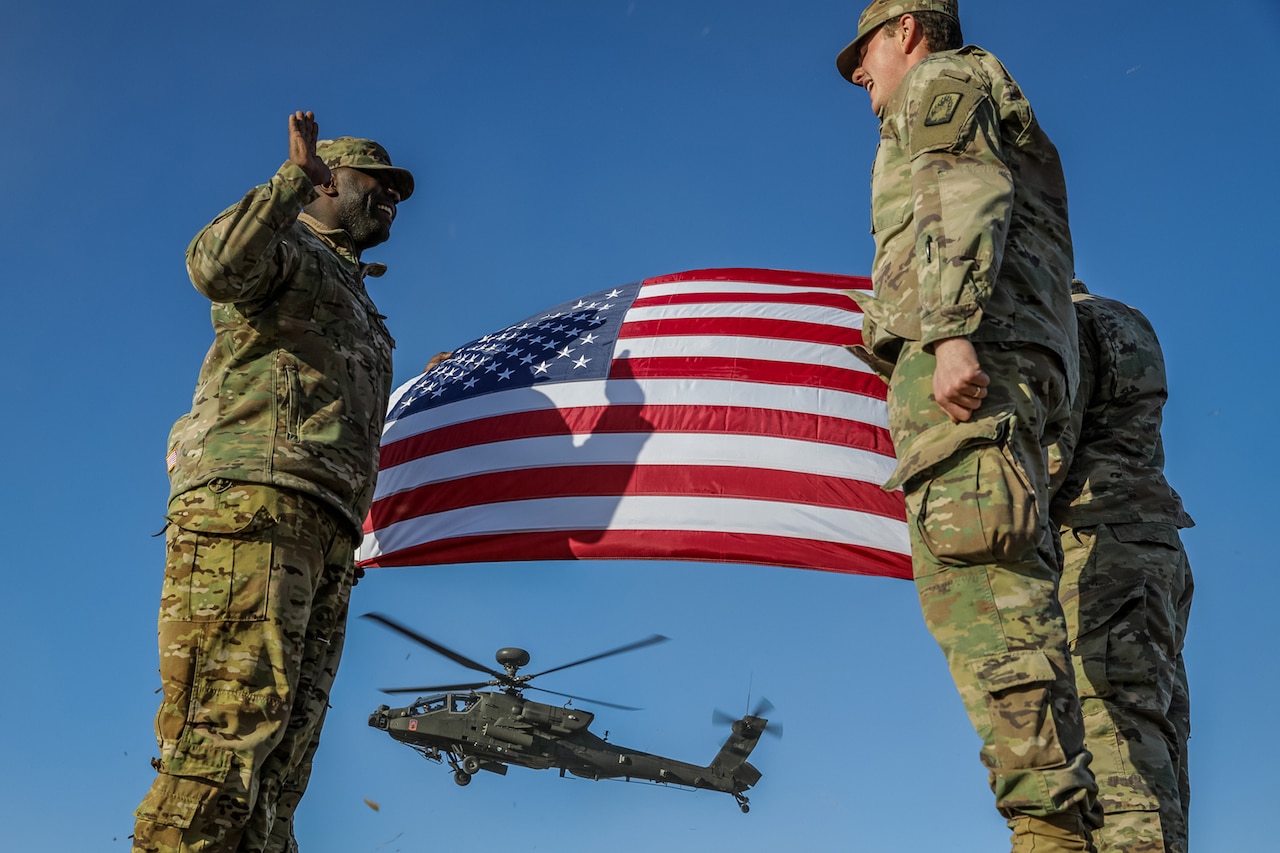
The legal framework for these operations is supported by the Maritime Drug Law Enforcement Act, which grants the United States jurisdiction over vessels without nationality in international waters. This statute is frequently cited in federal court filings when suspects are brought to the U.S. for prosecution. The process of transferring detainees to U.S. soil for trial is complex, often involving multi-agency cooperation between the Department of Homeland Security and the Department of Justice.
Broader Impact on Counter-Narcotics Policy
The incident highlights the inherent dangers faced by crews operating in the eastern Pacific, where the environment is characterized by vast distances and high-speed pursuits. Security analysts often point to the “cat-and-mouse” nature of these operations as a significant factor in the frequency of high-risk encounters. As traffickers adapt their tactics—such as using more resilient vessels or changing transit routes—U.S. forces have had to increase the intensity of their surveillance and interdiction capabilities.
For observers of global security, this event underscores the persistence of maritime trafficking despite increased technological investment in detection systems. The economic impact of these shipments is significant, with authorities estimating that the disruption of such routes prevents billions of dollars in illicit revenue from reaching criminal syndicates. The Pentagon continues to emphasize that its primary objective is the dismantling of these networks through persistent presence and inter-agency intelligence sharing.
What Happens Next
The military has indicated that the incident remains under active review. Further details regarding the circumstances of the engagement, the type of vessel involved, and the status of any surviving crew members are expected to be released through official Department of Defense press briefings as the investigation progresses. There is currently no scheduled date for a public report on the findings of the internal review.
We will continue to monitor updates from the Pentagon and relevant maritime authorities regarding this investigation. If you have insights or information related to regional security developments, please share your perspectives in the comments section below.
Related reading
- Why This Song Makes Me Feel Grateful to Be Alive
- Sisa Sklovská Reveals Her Figure Secret and Daily Essentials: It’s Not Juraj!
- Apple Warns iPhone Users in 110 Countries of Mercenary Spyware Attacks (archynewsy.com)
- Man and Woman Plead Guilty to Stealing Three-Week-Old Pygmy Goat from Childrens Farm (newsdirectory3.com)