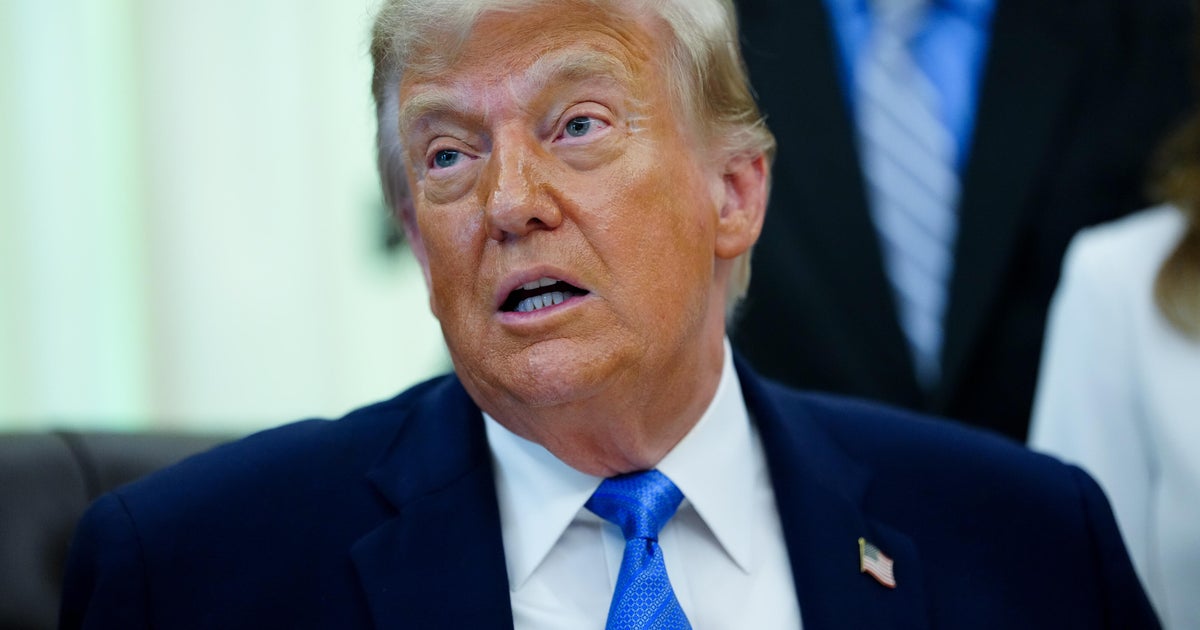
United States military involvement in the Middle East remains under intense scrutiny as political rhetoric regarding direct action against Iran intensifies, though official defense channels have not confirmed any strikes on Iranian territory this Thursday. While unverified reports have suggested a new round of strikes following aggressive statements from former President Donald Trump, the Department of Defense has not issued any statement validating operations within Iran’s borders during the current 24-hour cycle.
The ambiguity surrounding these reports comes amid a period of heightened regional volatility. Tensions between Washington and Tehran have escalated due to ongoing conflicts involving Iranian-backed proxy groups in Yemen, Lebanon, and Iraq. Analysts suggest that the disconnect between political campaign rhetoric and confirmed military movement highlights the precarious nature of current U.S. foreign policy in the region.
The following report examines the current state of U.S.-Iran military tensions, the specific rhetoric driving recent headlines, and the verified military actions currently being conducted by U.S. forces in the Middle East. By distinguishing between political promises and confirmed operational data, we provide a clear picture of the actual risks to regional stability.
What is the current status of U.S. military operations against Iran?
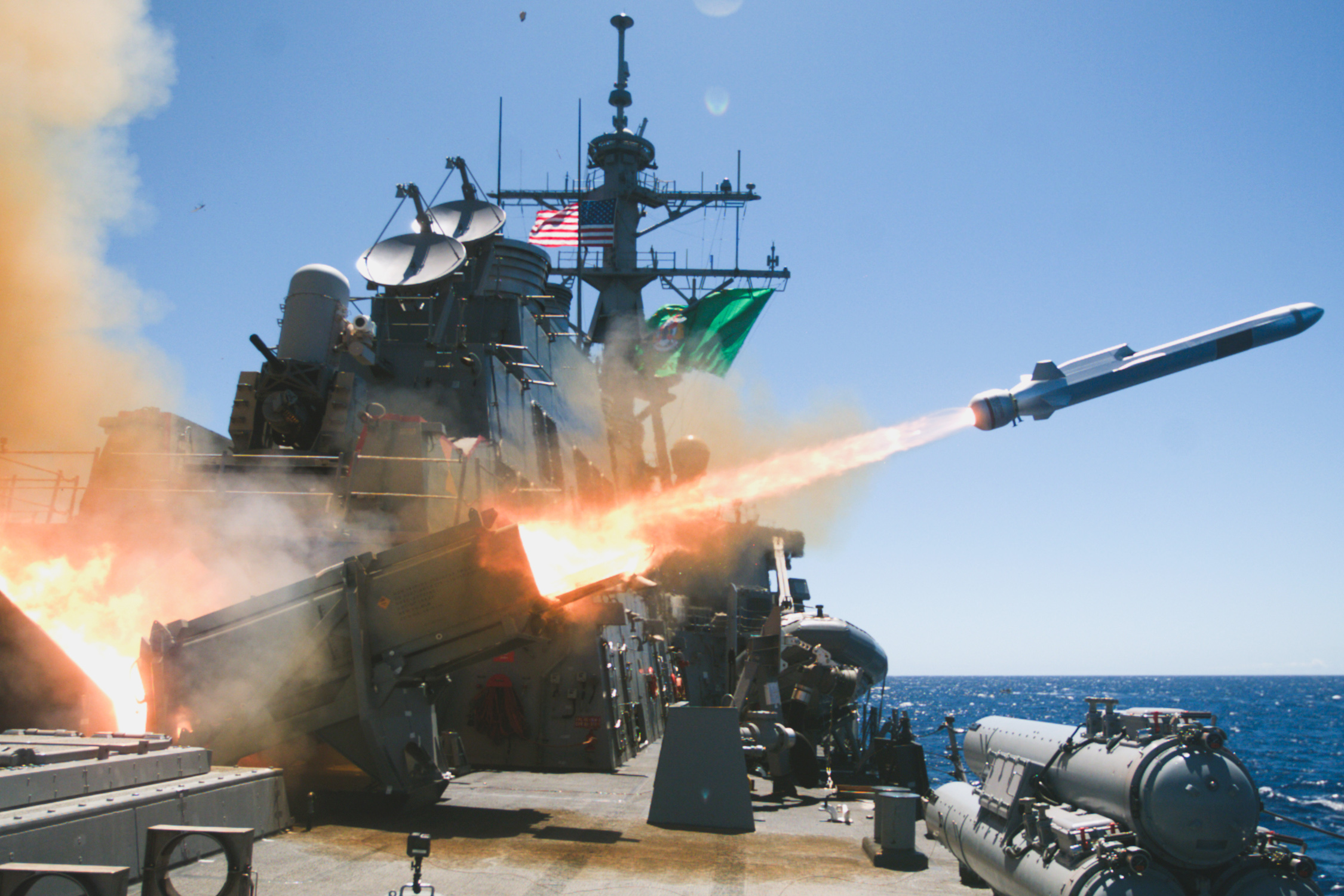
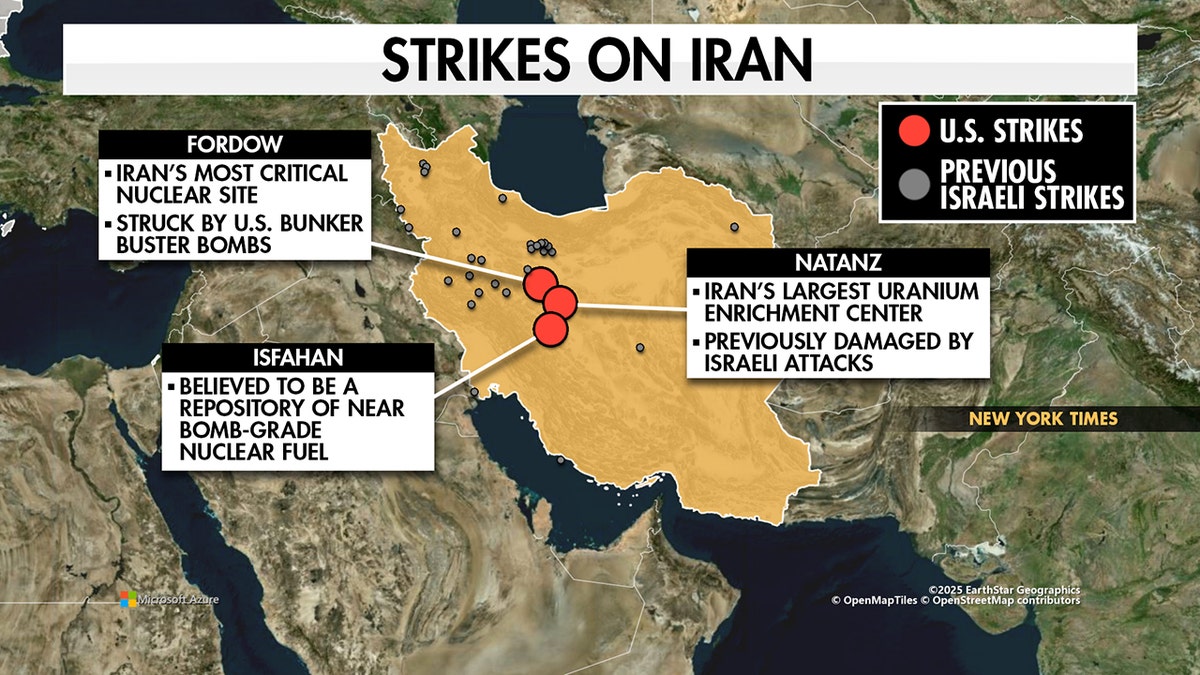
As of Thursday morning, there is no verified evidence from the Pentagon or major international news agencies to support claims of direct U.S. military strikes on targets within Iran. While social media and unconfirmed reports have circulated claims of morning strikes, official military communications have remained focused on “defensive operations” and strikes against non-state actors rather than the Iranian state itself.

Current U.S. military activity in the region is largely centered on Operation Prosperity Guardian, a multi-national maritime security effort aimed at protecting shipping in the Red Sea from Houthi rebel attacks. According to Reuters, U.S. Central Command (CENTCOM) has frequently conducted strikes against Houthi missile launch sites and radar installations in Yemen, but these are distinct from operations targeting the Iranian mainland.
The distinction between targeting proxy groups and targeting the Iranian state is critical. Military experts note that a strike on Iranian soil would represent a massive escalation in the conflict, potentially triggering a direct war between the two nations. Currently, the U.S. military’s stated objective remains the containment of Iranian influence through the degradation of proxy capabilities rather than a direct confrontation with the Islamic Republic’s central government.
Why has rhetoric regarding “hitting Iran hard” increased?
The recent surge in aggressive language stems from political discourse surrounding the upcoming U.S. election cycle. Former President Donald Trump has frequently utilized “maximum pressure” rhetoric, promising to take decisive and “hard” action against Tehran if his administration returns to power. This language is designed to appeal to voters concerned about regional security and the perceived failures of current diplomatic efforts to curb Iran’s nuclear ambitions.
During recent campaign appearances, Trump has characterized the current administration’s approach to Iran as insufficient. He has argued that a more aggressive military and economic stance is necessary to prevent Iran from achieving nuclear weapons capability. This political positioning creates a feedback loop where campaign promises are interpreted by some observers as imminent military intentions, even in the absence of official confirmation.
The impact of this rhetoric is twofold. First, it increases the pressure on the current administration to demonstrate strength in the Middle East. Second, it creates a climate of uncertainty that can affect global markets, particularly oil prices. When political leaders promise high-intensity military action, markets often react to the potential for supply disruptions in the Strait of Hormuz, a vital maritime chokepoint.
How do current U.S. policies compare to the “Maximum Pressure” model?
To understand the potential impact of changing political leadership, it is necessary to compare the current administration’s strategy with the “Maximum Pressure” campaign implemented during the first Trump administration. The former approach focused on isolating Iran economically, while the current approach seeks a balance between deterrence and diplomatic containment.
| Feature | Maximum Pressure (Trump Era) | Current Engagement (Biden Era) |
|---|---|---|
| Primary Strategy | Economic isolation and unilateral sanctions. | Multilateral containment and proxy deterrence. |
| Nuclear Policy | Withdrawal from the JCPOA (Nuclear Deal). | Efforts to revive or replace diplomatic frameworks. |
| Military Focus | Targeted strikes on high-value individuals (e.g., Soleimani). | Defensive strikes against Houthi and Hezbollah proxies. |
| Diplomatic Stance | Avoidance of direct multilateral negotiation. | Engagement with regional allies to build coalitions. |
The “Maximum Pressure” model was characterized by the U.S. withdrawal from the Joint Comprehensive Plan of Action (JCPOA) in 2018, a move that significantly increased the economic burden on the Iranian government but also led to increased regional tension. In contrast, the current administration has prioritized building international coalitions to address the activities of Iranian-backed groups like the Houthis in Yemen, focusing on maritime security rather than direct state-on-state conflict.
What are the geopolitical consequences of potential escalation?
If the U.S. were to transition from targeting proxies to conducting direct strikes on Iranian targets, the consequences would be immediate and global. The primary concern for international policymakers is the potential for a “regional conflagration”—a conflict that spreads beyond the borders of Iran and its immediate neighbors to involve Israel, Saudi Arabia, and other key Middle Eastern powers.
The economic implications are equally significant. Iran controls significant portions of the world’s oil transit routes. Any direct conflict in the Persian Gulf could lead to a spike in global energy prices. According to data from the International Energy Agency (IEA), even minor disruptions in the flow of oil from the Middle East can lead to extreme volatility in global markets, affecting everything from consumer fuel costs to industrial manufacturing.
Furthermore, a direct military confrontation could force other global powers to take sides. Russia and China, which maintain significant economic and diplomatic ties with Iran, would likely respond through diplomatic or economic channels to counter U.S. influence. This would move the conflict from a regional dispute to a central component of the broader competition between the U.S. and its strategic rivals.
Human rights organizations have also expressed concern regarding the humanitarian impact. Direct strikes on Iranian infrastructure could lead to significant civilian casualties and the displacement of populations. International law dictates that any military action must adhere to the principles of distinction and proportionality, but the complexity of modern urban warfare makes these standards difficult to maintain in a high-intensity conflict.
Who are the primary stakeholders in this conflict?
The tension between the U.S. and Iran involves a complex web of state and non-state actors, each with differing objectives:
- The United States: Aims to prevent Iranian nuclear proliferation, secure global maritime trade routes, and limit the influence of Iranian-backed proxies.
- Iran: Seeks to maintain its regional influence, protect its nuclear program, and resist U.S.-led economic sanctions.
- Proxy Groups (Houthis, Hezbollah, etc.): Act as instruments of Iranian regional policy, often engaging in direct conflict with U.S. and Israeli interests.
- Regional Allies (Israel, Saudi Arabia): Seek to contain Iranian expansionism and protect their own national security interests from proxy attacks.
- Global Markets: Depend on the stability of Middle Eastern energy corridors and shipping lanes.
The interplay between these groups means that a single miscalculation—whether a political statement or a military strike—can have a cascading effect across the entire region. The current period is defined by this high level of interconnectedness, where local actions in Yemen or Lebanon can instantly become matters of global security.
The next significant checkpoint for monitoring this situation will be the upcoming reports from the International Atomic Energy Agency (IAEA) regarding Iran’s nuclear enrichment levels, which will provide a factual basis for both diplomatic and military discussions. We encourage readers to follow official updates from the U.S. Department of Defense and international monitoring bodies for verified developments.
Have your thoughts on Middle East stability changed due to recent political rhetoric? Share your perspective in the comments below and share this article to keep the conversation going.
Worth a look
- Denmark News: Teenagers Arrested for School Terror Plot and SAS Strike Threats
- Ukraine Drone Strikes Hit Russian Oil Refinery and Wildberries Logistics Center
- BP Q2 Profit Hits $5.7 Billion Amid Trump Criticism of Big Oil Windfalls (time.news)
- Trump Administration Begins Systematic Appropriation of Japanese Manga (newsdirectory3.com)