
United States commercial crude oil inventories have experienced a persistent decline over recent weeks, according to data from the U.S. Energy Information Administration (EIA). These consistent inventory draws highlight shifting dynamics in global energy markets, as domestic production and export demand continue to test supply chain resilience. The trend of falling reserves follows a period of heightened geopolitical volatility, which has prompted market observers to monitor the Strategic Petroleum Reserve (SPR) and commercial storage levels with increased scrutiny.
For the week ending in mid-2024, the EIA reported that commercial crude oil stocks—excluding those in the SPR—fell by approximately 2.5 million barrels, continuing a multi-week contraction. This data is critical for traders and policymakers alike, as it serves as a primary indicator of the balance between domestic refinery intake and total supply. According to the U.S. Energy Information Administration’s Weekly Petroleum Status Report, these fluctuations are influenced by seasonal maintenance cycles at refineries and changes in net import volumes.
Drivers of the Current Inventory Contraction
The reduction in crude oil inventories is primarily driven by elevated refinery utilization rates and robust export activity. When U.S. refineries operate at high capacity to meet domestic gasoline and distillate demand, they draw down crude oil stocks at a faster rate than they are replenished by domestic production and imports. The International Energy Agency (IEA) notes that global demand growth, particularly in the aviation and petrochemical sectors, has kept upward pressure on crude consumption, effectively tightening available commercial storage.
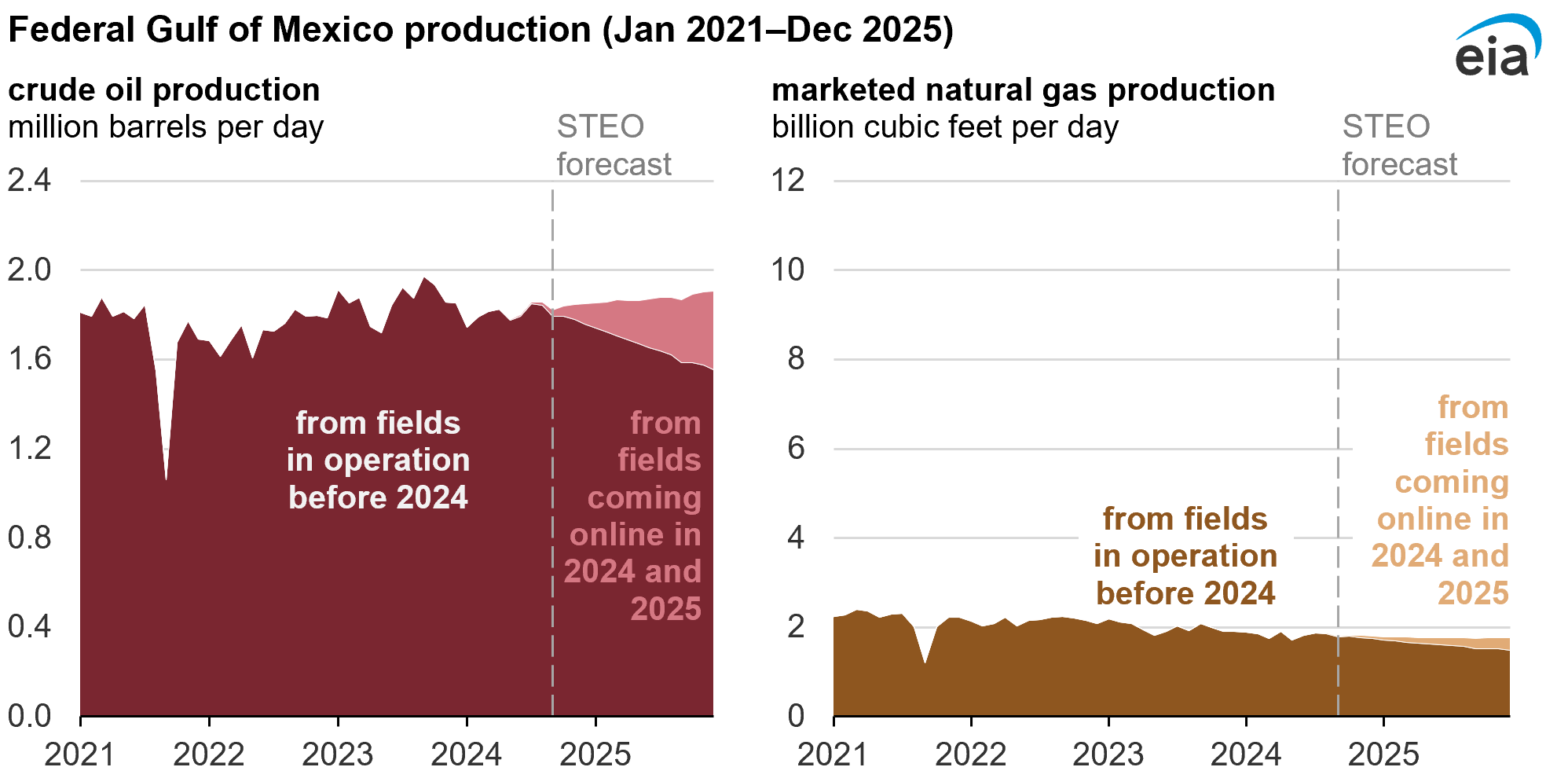
Geopolitical tensions have further complicated the supply outlook. While the U.S. remains the world’s largest oil producer, the integration of American energy into global markets means that regional conflicts—such as those in Eastern Europe and the Middle East—directly impact the speed at which inventories are depleted. Market participants frequently weigh these geopolitical risks against the OPEC+ production strategies, which aim to manage global supply levels through coordinated output cuts.
Strategic Petroleum Reserve and Market Stability
A central topic in energy policy discussions is the status of the Strategic Petroleum Reserve. Following record releases in 2022 intended to mitigate price volatility, the U.S. Department of Energy has been engaged in a long-term process to replenish these reserves. However, the balance between commercial stocks and the SPR remains a sensitive point for federal regulators. The U.S. Department of Energy maintains that replenishment efforts are conducted in a manner that minimizes market disruption, often through fixed-price purchase contracts.
The distinction between commercial inventories and the SPR is often conflated in public discourse, yet they serve different functions. Commercial stocks are held by private entities to facilitate daily refining and distribution, while the SPR serves as an emergency buffer. Recent reports from the Reuters energy desk confirm that total U.S. crude stocks are currently hovering near multi-year averages, reflecting a market that is functioning under tight but stable supply conditions.
What Happens Next for Energy Markets
Looking ahead, energy analysts are focusing on the transition into autumn, a period typically characterized by seasonal maintenance at U.S. refineries. During this “shoulder season,” refinery throughput often declines, which can lead to a temporary build in crude oil inventories even if demand for finished products remains steady. The EIA’s Short-Term Energy Outlook serves as the official benchmark for these projections, providing monthly updates on supply, demand, and price forecasts.
Investors and industry stakeholders should monitor the upcoming weekly inventory releases from the EIA, which are published every Wednesday. These reports provide the most granular view of the U.S. energy sector’s health and are essential for understanding the volatility in global crude prices. As the energy landscape continues to evolve, the ability of the U.S. to balance domestic production with international export requirements will remain a defining factor for global market stability.
The next official U.S. Energy Information Administration weekly report on petroleum stocks is scheduled for release this coming Wednesday. For ongoing updates on global energy policy and market analysis, continue following our coverage at World Today Journal. We invite our readers to share their insights and questions in the comments section below.
Worth a look