
Global oil markets surged Tuesday amid escalating tensions in the Middle East, as the United States confirmed airstrikes against Iranian missile launch sites—an operation that has sent shockwaves through energy markets and raised fears of a broader regional conflict. The strikes, which followed weeks of heightened military posturing, have triggered a sharp spike in crude prices, with Brent crude nearing $100 per barrel for the first time since the February 28 U.S.-Israeli assault on Iran. Analysts warn that the Strait of Hormuz, a critical chokepoint for global oil shipments, could remain at risk unless diplomatic efforts to de-escalate gain traction.
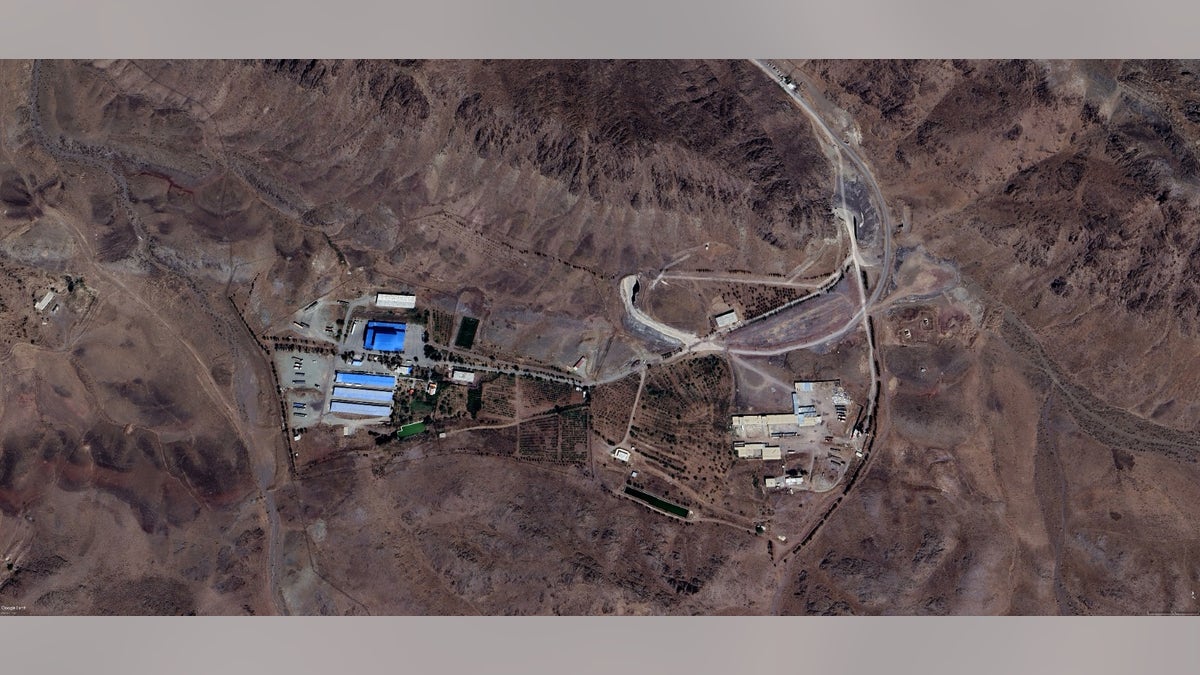
In a statement released early Tuesday, the U.S. Central Command acknowledged conducting “precision strikes” against Iranian missile facilities in response to what it described as “ongoing threats to international shipping and regional stability.” The operation comes as Iran and its proxies—including Hezbollah in Lebanon and the Houthis in Yemen—have intensified attacks on Israeli and U.S. Targets in recent weeks. The latest escalation has reignited concerns over the stability of the Strait of Hormuz, through which roughly 20% of the world’s seaborne oil passes daily. While U.S. Officials have not explicitly stated that the Strait is currently blocked, the strikes have disrupted hopes for a swift resolution to the crisis, which had seen tentative talks between Washington and Tehran over the past month.
The immediate impact on oil prices has been dramatic. According to data from the International Energy Agency (IEA), Brent crude prices jumped by nearly 8% in early trading Tuesday, reaching $98.50 per barrel—a level not seen since the height of the Israel-Iran conflict in February. Analysts at Rystad Energy attributed the surge to “fear of supply disruptions in the Gulf,” noting that the strikes have heightened uncertainty over Iran’s willingness to engage in de-escalation talks. Meanwhile, the U.S. Energy Information Administration (EIA) reported that global oil inventories have been drawn down faster than expected, further tightening markets.
The U.S. Strikes follow a series of retaliatory attacks by Iran and its allies. On Monday, Iranian-backed militias in Yemen launched ballistic missiles toward Israel, prompting Israeli airstrikes in southern Lebanon in response to Hezbollah rocket fire. The escalation has deepened concerns that the conflict could spiral into a broader regional war, with potential ripple effects on global energy supplies. The International Monetary Fund (IMF) has previously warned that prolonged disruptions in the Strait of Hormuz could push oil prices above $120 per barrel, triggering inflationary pressures worldwide.
Why the Strait of Hormuz Remains a Flashpoint
The Strait of Hormuz has long been a strategic flashpoint, given its role as the world’s most critical oil transit route. Located between Iran and Oman, the strait is a narrow waterway through which approximately 35 million barrels of oil pass each day—nearly a third of global seaborne oil trade. The U.S. Navy and international shipping firms have maintained a presence in the region to monitor for disruptions, but the recent escalations have raised alarms about Iran’s ability to enforce a blockade, either directly or through proxy groups.

Historically, tensions in the strait have sent oil prices soaring. In 2019, for example, attacks on commercial tankers in the region by Iran-backed forces led to a 20% spike in crude prices over a two-week period. The current crisis is particularly sensitive given that global oil markets are already under pressure from supply cuts by the Organization of the Petroleum Exporting Countries (OPEC) and reduced output from Russia and Venezuela. The IEA has cautioned that any prolonged disruption in the strait could trigger a “supply shock” with lasting economic consequences, particularly for developing nations heavily reliant on imported fuel.
U.S. Officials have emphasized that the recent strikes are intended to “degrade Iran’s missile capabilities” and deter further attacks on shipping lanes. However, Iranian state media has vowed retaliation, with the country’s Supreme National Security Council warning that “any aggression will be met with a decisive response.” The risk of further escalation remains high, particularly as Iran’s new leadership—following the death of Supreme Leader Ayatollah Ali Khamenei in February—has taken a harder line against Western powers.
Market Reactions and Geopolitical Fallout
Financial markets reacted swiftly to the news of the strikes. The Dow Jones Industrial Average dropped over 300 points in early trading, while European stock indices saw modest declines. Commodity traders, however, were more focused on the oil price surge, with hedge funds and institutional investors scrambling to hedge against further volatility. The U.S. Dollar also strengthened against major currencies, as investors sought safer assets amid the geopolitical uncertainty.
Beyond oil prices, the strikes have raised questions about the future of diplomatic efforts to stabilize the region. The United Nations has called for an emergency session of the Security Council to address the escalating violence, with diplomats from France, Germany, and the UK urging all parties to “exercise maximum restraint.” Meanwhile, Russia—which has historically sided with Iran—has issued a statement calling for “immediate de-escalation,” though it has stopped short of condemning the U.S. Strikes.
For now, the focus remains on whether the Strait of Hormuz will remain open. Shipping firms are monitoring the situation closely, with some rerouting tankers away from the strait as a precaution. The U.S. Navy has increased patrols in the region, but the risk of accidental clashes or further Iranian retaliation cannot be ruled out. Analysts at the Center for Strategic and International Studies (CSIS) have warned that the situation could deteriorate rapidly if Iran decides to target commercial shipping directly.
What Happens Next?
The next critical checkpoint will be the response from Iran’s new leadership, particularly Mojtaba Khamenei, who was appointed as the successor to his late father. Khamenei has yet to make a public statement on the U.S. Strikes, but Iranian state media has signaled that a retaliatory move is likely. Meanwhile, U.S. President Donald Trump has indicated that further military action “cannot be ruled out” if Iran continues to pose a threat to regional stability.
Diplomatically, the ball is in Tehran’s court. Iran has repeatedly called for direct negotiations with the U.S., but Washington has insisted on preconditions, including an end to Iranian support for proxy groups. The failure of recent talks to produce a ceasefire suggests that the path to de-escalation remains narrow. In the meantime, global oil markets will continue to react to every new development, with prices likely to remain volatile.
Key Takeaways
- Oil prices surged to near $100 per barrel following U.S. Strikes on Iranian missile sites, reflecting fears of supply disruptions in the Strait of Hormuz.
- The Strait of Hormuz remains a critical chokepoint for global oil trade, with any disruption risking a sharp increase in prices and inflationary pressures.
- Iran has vowed retaliation, raising the prospect of further escalation in the region, including potential attacks on commercial shipping.
- Diplomatic efforts are at a standstill, with the U.N. Calling for an emergency Security Council session to address the crisis.
- Global markets are bracing for prolonged volatility, with stocks and commodities reacting sharply to the geopolitical uncertainty.
- The next 48 hours will be critical, as Iran’s response and any further U.S. Military actions could determine whether the conflict spirals out of control.
As the situation develops, World Today Journal will continue to monitor updates from U.S. Central Command, the International Energy Agency, and the United Nations. For the latest advisories on shipping routes and oil market trends, readers are encouraged to consult the International Energy Agency and the U.S. Energy Information Administration. We urge readers to share their insights and concerns in the comments below, and to follow our coverage for further developments.
Related reading