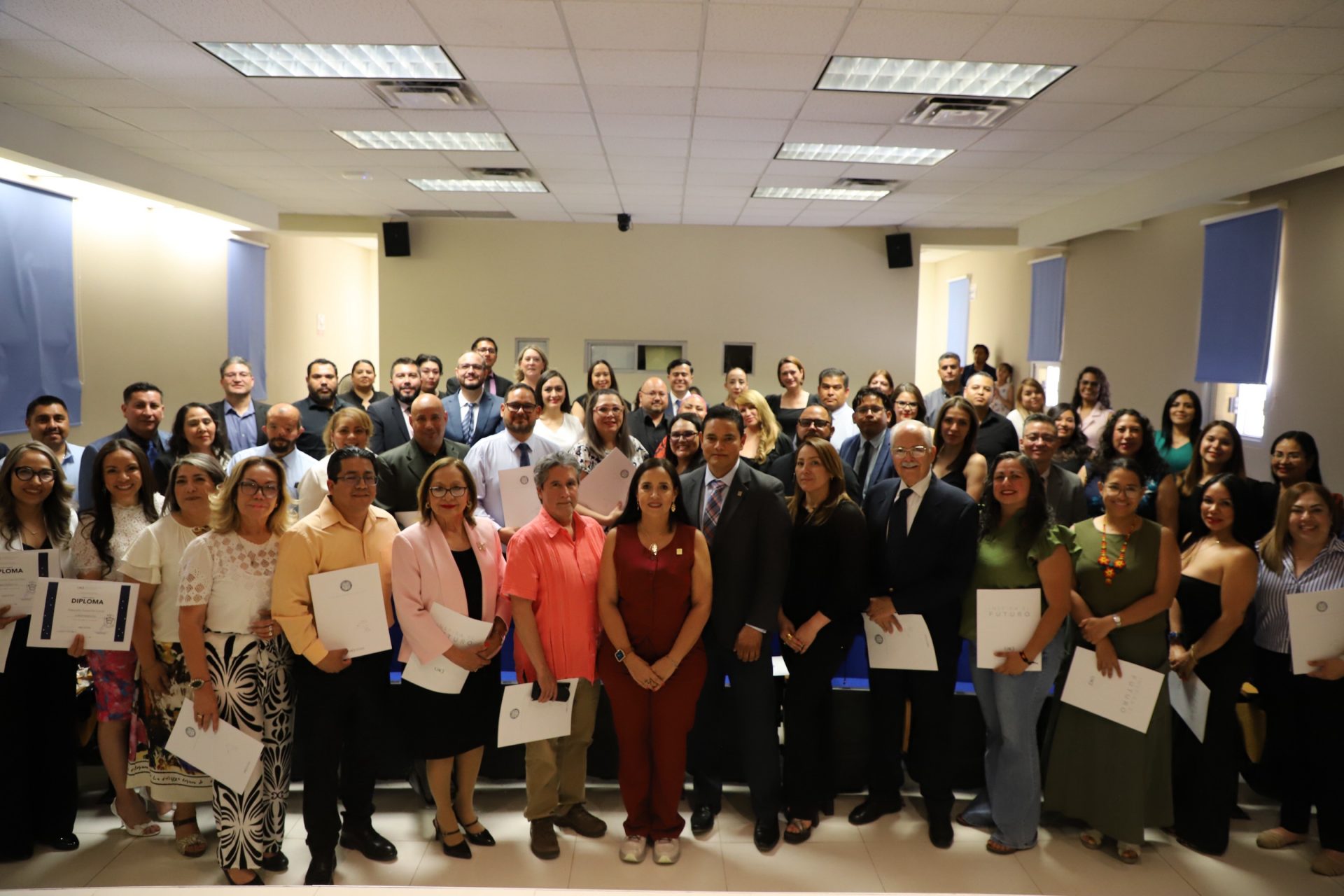
In the evolving landscape of global medical education, the transition from academic theory to clinical practice represents a critical milestone. Recently, the Universidad Autónoma de Ciudad Juárez (UACJ) hosted a significant ceremony to celebrate the completion of academic training for its latest cohort of health science professionals. As we observe the integration of new practitioners into the workforce, it is essential to reflect on the rigorous standards that define modern medical education and the institutional commitment required to prepare students for the complexities of today’s healthcare systems.
The event, which highlighted the culmination of years of study in fields such as medicine, nursing, and related health disciplines, serves as a poignant reminder of the importance of continuous professional development. Under the leadership of the university’s administration, including the Rector, Dr. Daniel Alberto Constandse Cortez, the institution continues to place a high premium on academic excellence and social responsibility in health services. This ceremony was not merely a graduation; it was a formal recognition of the readiness of these graduates to contribute to public health initiatives and patient care, both regionally and within the broader professional community.
The Evolving Role of Health Science Education
Medical education has shifted significantly over the past decade, moving toward a model that emphasizes not only technical proficiency but also empathetic patient communication and the ability to navigate complex digital health infrastructures. At the UACJ, the Instituto de Ciencias Biomédicas (ICB) remains a central hub for this specialized training, focusing on evidence-based practices that align with international standards. The recent recognition of graduates underscores the institution’s ongoing effort to bridge the gap between classroom learning and the demands of clinical settings.
As these graduates enter their respective fields, they do so at a time when healthcare policy and medical innovation are in constant flux. The ability to interpret scientific literature, understand the determinants of public health, and implement preventative care strategies is more critical than ever. The UACJ’s structured approach to health science curricula—which integrates clinical rotation, theoretical research, and ethics—provides a robust foundation for these emerging professionals to meet these challenges head-on.
Institutional Leadership and Student Success
The ceremony was marked by the presence of key university figures who have been instrumental in steering the institution’s health programs. The participation of leadership, such as Dr. Daniel Alberto Constandse Cortez, reflects a broader organizational focus on maintaining high accreditation standards. For students, this level of engagement from faculty and administration serves to reinforce the gravity of their chosen profession. As noted in official university communications, the recognition of these students is a testament to their resilience during the rigorous academic journey required to earn a degree in the health sciences.
Beyond the celebratory aspect, these events are vital for fostering a sense of community among alumni. By maintaining strong ties between the university and its graduates, the institution creates a network that supports lifelong learning and professional collaboration. This is particularly relevant in the field of medicine, where the rapid pace of scientific discovery necessitates ongoing engagement with peers and established experts to ensure that patient outcomes remain the primary focus of clinical practice.
Key Pillars of Modern Medical Training
- Clinical Competency: Ensuring that students have sufficient hands-on experience in diverse medical environments to handle real-world scenarios.
- Ethical Frameworks: Integrating bioethics into every stage of the curriculum to prepare students for the moral complexities of modern healthcare.
- Public Health Integration: Focusing on the broader social determinants of health to prepare graduates for roles that extend beyond individual patient care.
- Innovation and Technology: Incorporating the latest advancements in telehealth, electronic health records, and diagnostic tools.
Looking Ahead: The Future of Healthcare Professionals
As these graduates move forward, their impact on the healthcare system will be defined by their ability to adapt to an increasingly globalized medical environment. The challenges they will face—ranging from managing infectious diseases to addressing chronic health disparities—require a multidisciplinary approach. The training provided by institutions like the UACJ is designed to cultivate this adaptability, ensuring that graduates are not only skilled clinicians but also informed advocates for health equity.

For those interested in the future of medical education or those following the development of health policy in Latin America, monitoring the progress of these academic cohorts is highly recommended. The UACJ frequently provides updates on its official news portal, offering insight into how these educational advancements are influencing regional healthcare outcomes. We encourage our readers to engage with this topic; if you have insights on the state of medical training in your own region, please feel free to share your thoughts in the comments section below.
The next phase for these graduates involves professional certification and entry into specialty residencies, a process that continues throughout the year. We will continue to monitor updates regarding academic milestones and policy shifts within the UACJ and similar institutions globally. Stay tuned to our Health section for further analysis on the intersection of medical education and public health policy as these stories develop.
Related reading