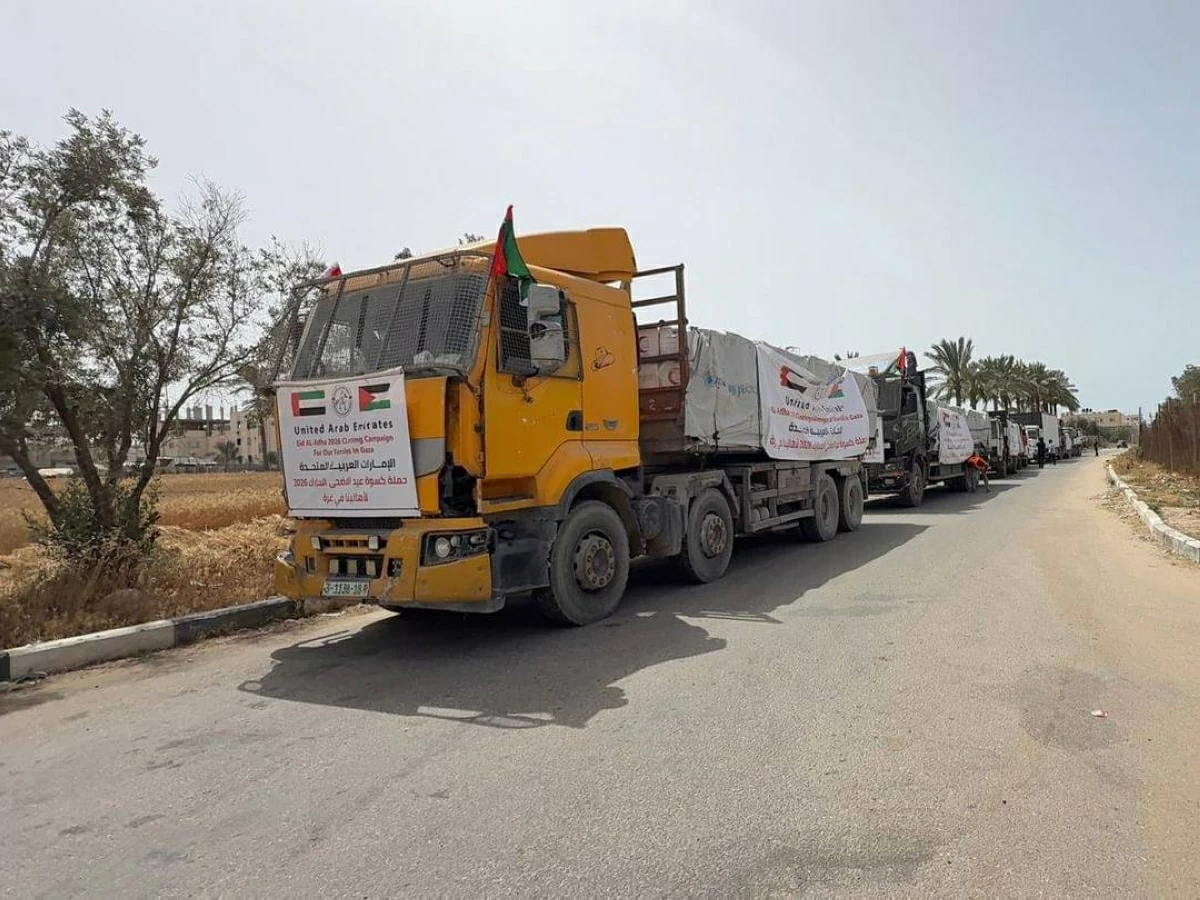
Humanitarian aid efforts in the Gaza Strip continue to evolve as international organizations and regional partners work to address the profound needs of local families. Among these ongoing initiatives, the “Gallant Knight 3” (Al-Faris al-Shahm 3) operation has remained a central pillar in the delivery of essential supplies, focusing on providing critical support to civilians amid the current regional crisis. These efforts are part of a broader, sustained commitment by various humanitarian actors to mitigate the hardships faced by vulnerable populations, including the provision of food, medical equipment and clothing.
The operational framework of these aid missions typically involves the coordination of land convoys and logistical support to ensure that resources reach those in the most severely affected areas. According to reports from the United Nations Office for the Coordination of Humanitarian Affairs (OCHA), the challenge of maintaining a consistent flow of aid remains significant, necessitating continued collaboration between international bodies and regional donors to navigate complex logistical environments. The focus of these recent missions has increasingly shifted toward addressing the specific needs of children and families, particularly in anticipation of seasonal requirements and holiday periods.
The Scope of Humanitarian Assistance
Recent humanitarian activity has centered on the distribution of essential goods, including clothing and food supplies, designed to provide both physical relief and a sense of normalcy for children in Gaza. The logistical scale of these operations requires precise coordination to ensure that bulk shipments—often totaling hundreds of tons—are successfully cleared through border crossings. Data from the United Nations Relief and Works Agency (UNRWA) confirms that the delivery of non-food items, such as apparel, is vital for maintaining public health and dignity in densely populated displacement sites.
The “Gallant Knight 3” operation is frequently cited in regional reports as a primary vehicle for these deliveries. While the specific volume of aid fluctuates based on border access, the consistent arrival of truck convoys serves as a lifeline for many families. These initiatives are often complemented by programs from organizations like the Jordan Hashemite Charity Organization, which has historically implemented its own programs to provide aid, including seasonal clothing for children, to ensure that multiple avenues of support remain active.
Addressing Long-Term Humanitarian Needs
Beyond the immediate delivery of goods, experts in international relations suggest that such aid efforts reflect a broader, fixed approach to regional stability and solidarity during times of crisis. The impact of these missions is measured not only by the tonnage of supplies delivered but by the ability to maintain a reliable supply chain despite the operational difficulties on the ground. The International Committee of the Red Cross (ICRC) has consistently emphasized that sustained, unhindered access is the only way to effectively address the systemic needs of the civilian population in the Gaza Strip.
The integration of these humanitarian efforts into the daily lives of families in Gaza provides a necessary buffer against the compounding effects of the conflict. By focusing on children’s needs, such as seasonal clothing and essential supplies, humanitarian actors aim to reduce the psychological and physical burden on parents who are struggling to provide for their households under extraordinary circumstances. This focus on “the human element” is a recurring theme in the strategic planning of major aid operations currently active in the region.
Key Takeaways for Humanitarian Impact
- Sustained Logistics: Operational success depends on the consistent coordination of land convoys to overcome border transit delays.
- Targeted Support: Recent aid programs prioritize children and families, providing essential clothing and seasonal items to address immediate vulnerabilities.
- International Cooperation: The effectiveness of aid delivery is bolstered by the collaboration between regional organizations and international humanitarian agencies.
- Strategic Continuity: Humanitarian missions are increasingly viewed as a fixed, long-term commitment rather than sporadic relief efforts, aiming to provide stability during ongoing crises.
Looking Ahead: Monitoring Aid Delivery
As the situation in Gaza remains fluid, the international community continues to monitor the status of aid corridors and the safety of humanitarian personnel. The next steps for these operations involve ongoing negotiations to increase the daily capacity of truck crossings and the expansion of distribution networks to reach northern and central areas of the territory. Official updates regarding aid volumes and the status of specific humanitarian programs are typically published through the OCHA opt monitoring portal, which provides real-time data on the movement of goods and the status of civilian infrastructure.

We encourage our readers to stay informed on this developing situation by consulting official reports from international relief agencies. If you have insights or wish to discuss the impact of these humanitarian initiatives, please join the conversation in the comments section below. Your engagement helps ensure that these critical stories remain at the forefront of the global dialogue.