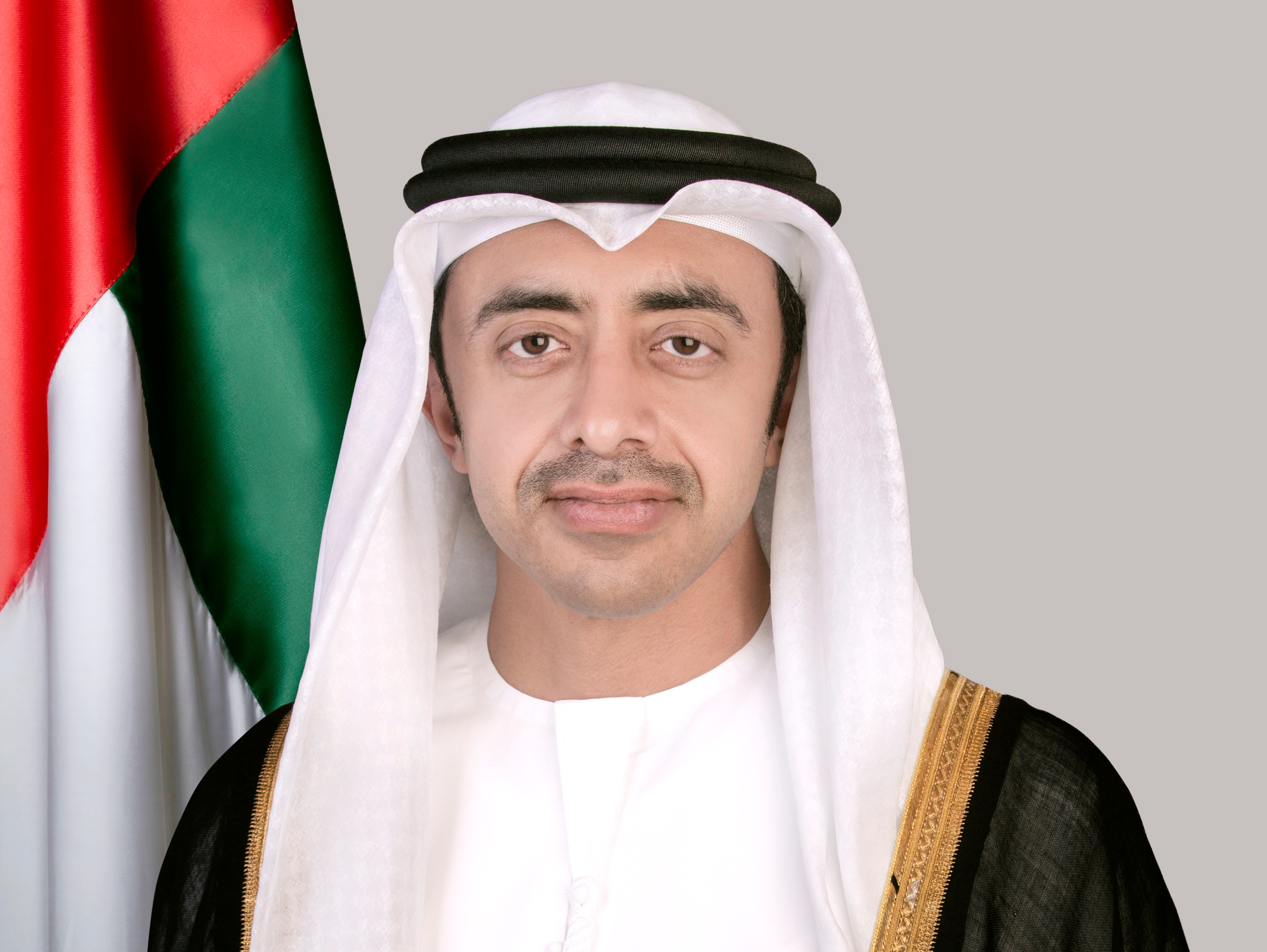
The United Arab Emirates is intensifying its diplomatic efforts to stabilize a volatile regional landscape following a series of aggressive missile strikes. Sheikh Abdullah bin Zayed Al Nahyan, the UAE Deputy Prime Minister and Minister of Foreign Affairs, has engaged in a series of high-level phone calls with foreign ministers and government officials from partner and friendly nations to address the fallout of these attacks.
The diplomatic push centers on the repercussions of Iranian missile attacks that targeted the UAE and several other countries in the region. According to official reports, these actions are being characterized by the UAE as “brutal” and “terrorist” in nature. The primary objective of these consultations is to coordinate a collective response and mitigate the risks to regional security and global stability.
These discussions, occurring across multiple dates in March 2026, highlight the severity of the current escalation. The UAE is not only focusing on immediate security threats but is likewise sounding the alarm regarding the broader implications for the global economy, specifically concerning the security of energy supplies and the stability of international trade routes.
Sheikh Abdullah bin Zayed has consistently condemned any targeting—or threats of targeting—of civilian infrastructure and facilities within the region. The UAE’s diplomatic strategy involves a combination of condemning the aggression and seeking international cooperation to ensure that such provocations do not lead to a wider, uncontrolled conflict.
Coordinating a Global Response to Regional Aggression
The scale of the UAE’s diplomatic outreach underscores the perceived gravity of the Iranian strikes. Sheikh Abdullah bin Zayed has conducted extensive calls with key regional allies and global powers to align their positions on the current crisis. On March 17, 2026, the Minister held discussions with a diverse group of leaders, including Sheikh Mohammed bin Abdulrahman bin Jassim Al Thani, the Prime Minister and Minister of Foreign Affairs of Qatar and Prince Faisal bin Farhan bin Abdullah, the Foreign Minister of Saudi Arabia via Sky News Arabia.
The consultations extended beyond the Gulf, reaching European and Asian partners. These included calls with Milojko Spajković, the Prime Minister of Montenegro; Genbek Kulobayev, the Foreign Minister of Kyrgyzstan; Toshimitsu Motegi, the Foreign Minister of Japan; and Sihasak Phuangchongan, the Foreign Minister of Thailand via Sky News Arabia. The shared concern among these leaders is the “dangerous reflections” of these developments on the security and stability of the Middle East.
Earlier, on March 4, 2026, Sheikh Abdullah bin Zayed had already initiated a similar wave of diplomatic engagement. During those discussions, he spoke with officials including Mihai Popșoi, Deputy Prime Minister and Minister of Foreign Affairs of Moldova; Dr. Constantinos Campos, Foreign Minister of Cyprus; Mauro Vieira, Foreign Minister of Brazil; and Petr Fiala’s representatives from the Czech Republic via UAE Ministry of Foreign Affairs. He also coordinated with Paulo Rangel of Portugal, Péter Szólyomlyósi (represented by the Ministry of Foreign Affairs and Trade) of Hungary, and Dr. Arnoldo André Tenoco of Costa Rica via UAE Ministry of Foreign Affairs.
Impact on Global Energy and Economic Stability
A recurring theme in these diplomatic exchanges is the vulnerability of the global economy. The UAE has emphasized that the current instability is not merely a localized political dispute but a threat to the “security of energy supplies” and the overall fluidity of the global economy via Sky News Arabia. Given the region’s role as a primary hub for oil and gas exports, any escalation in missile activity or maritime insecurity can lead to immediate fluctuations in energy prices and disruptions in supply chains.
The UAE’s insistence on stability is tied to its broader economic goals. By engaging with countries as diverse as Japan, Brazil, and the European Union, the UAE is attempting to build a global consensus that views the Iranian missile attacks as a violation of international norms that cannot be ignored if global economic interests are to be protected.
Demands for Accountability and the Path to De-escalation
Beyond immediate crisis management, the UAE is pushing for a framework of accountability. The government has indicated that the Iranian attacks warrant “accountability” and “compensation” for the losses incurred. This suggests that the UAE is looking beyond a simple ceasefire and is seeking a formal recognition of the damages caused by the missile strikes.
the UAE has stressed the necessity for Iran to adhere to any existing truces or agreements to stop its attacks. There have been mentions of seeking further clarifications regarding the specific terms of any truce between the United States and Iran, ensuring that such agreements do not overlook the security concerns of regional states like the UAE.
The core of the UAE’s position remains the protection of civilian life and infrastructure. Sheikh Abdullah bin Zayed has issued strong condemnations against the targeting of civilian facilities, arguing that such actions are unacceptable under international law and serve only to escalate tensions without achieving legitimate political objectives via UAE Ministry of Foreign Affairs.
Key Diplomatic Contacts and Regional Alignment
The following table summarizes the key international partners engaged by the UAE Ministry of Foreign Affairs during this period of escalation:
| Region | Key Officials/Countries Contacted | Primary Focus of Discussion |
|---|---|---|
| Gulf Cooperation Council (GCC) | Qatar, Saudi Arabia, Bahrain | Regional security and collective stability |
| Europe | Montenegro, Moldova, Cyprus, Czech Republic, Portugal, Hungary | International law and condemnation of aggression |
| Asia & Americas | Japan, Thailand, Kyrgyzstan, Brazil, Costa Rica | Global economic impact and energy security |
What Happens Next for Regional Security?
The UAE continues to monitor the situation closely, with a focus on whether Iran will comply with demands to cease its aggressive maneuvers. The next critical phase involves the potential for more formal international sanctions or the establishment of a more robust regional security framework to deter future missile attacks.
As the UAE seeks clarifications on the terms of the U.S.-Iran truce, the international community will be watching to see if a diplomatic breakthrough can be achieved or if the region will remain in a state of high alert. The UAE’s commitment to “accountability” suggests that a return to the status quo is unlikely without some form of redress for the recent attacks.
For those seeking official updates on regional security and diplomatic statements, the UAE Ministry of Foreign Affairs provides the most current official advisories and press releases via their official government portal.
World Today Journal encourages readers to share their perspectives on the current regional stability in the comments below and share this report to maintain the global community informed.
Keep reading