
The United Arab Emirates has issued a firm denial regarding any active military participation in the ongoing conflict between Israel and Iran, as regional tensions reach a critical juncture. In a series of official statements, Abu Dhabi has sought to distance itself from accusations that it is providing direct operational support or hosting secret military coordination for Israeli forces.
This diplomatic push for neutrality comes at a time when the UAE is navigating an increasingly precarious path. Since the signing of the Abraham Accords in 2020, the UAE has cultivated deep economic and security ties with Israel, but it remains wary of being drawn into a direct kinetic confrontation with Tehran, which shares a critical maritime border and economic interests with the Gulf states.
The current friction stems from a cycle of accusations and counter-denials. While Iran has claimed that Gulf nations are acting as conduits or active participants in strikes against Iranian territory, the UAE maintains that its primary objective is regional stability and the prevention of a full-scale war that could devastate global energy markets and local security.
Denial of Secret Diplomatic and Military Visits
A central point of contention has emerged following reports of a supposed “secret visit” by Israeli Prime Minister Benjamin Netanyahu to the United Arab Emirates. Such reports suggested a high-level military coordination effort intended to synchronize responses to Iranian aggression. However, UAE authorities moved quickly to shut down these claims.
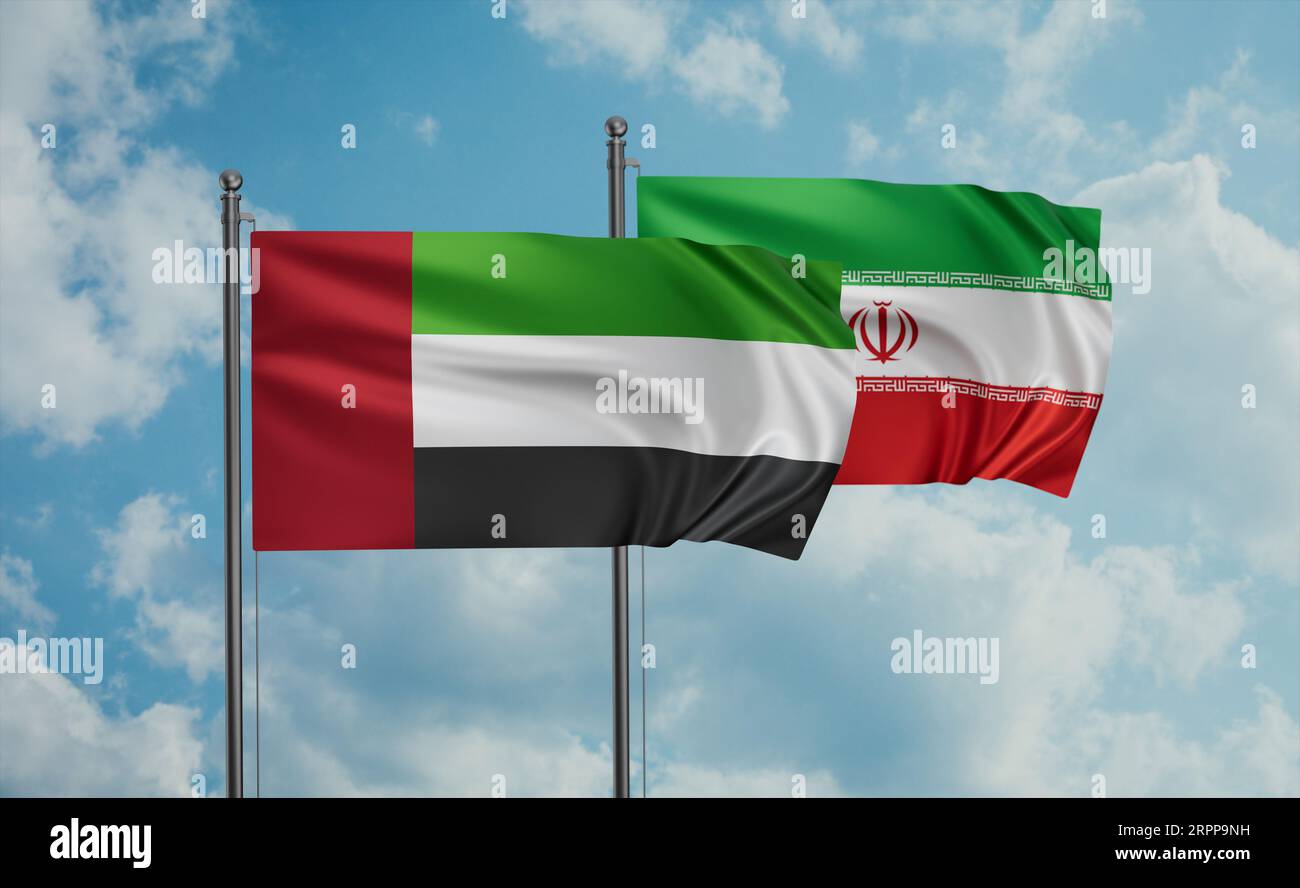
In an official communiqué, the Emirati government denied reports concerning a purported visit by the Israeli Prime Minister or the reception of any Israeli military delegation within the country. This denial is seen by analysts as a strategic necessity to avoid providing Tehran with a justification for retaliatory strikes against UAE soil.
The timing of this denial is critical. Since the escalation of hostilities in February 2026, the UAE has attempted to maintain a “line of crest”—preserving its normalized relations with Israel without appearing as a committed military ally in a war against Iran. The risk of being perceived as a combatant would not only jeopardize the safety of Emirati citizens and infrastructure but could also trigger a collapse in the diplomatic channels the UAE uses to manage its relationship with Iran.
The Iranian Accusations and the ‘Quiet’ Response
Tehran has repeatedly accused several Gulf states, including the UAE and Saudi Arabia, of providing intelligence or logistical support for “secret” bombings within Iranian borders. While these claims often lack public evidence, they serve as a tool for Iran to pressure its neighbors and frame the conflict as a broader conspiracy involving Western and regional allies.
Despite the official stance of neutrality, there are indications of a more subtle, non-military friction. Reports have surfaced regarding “discreet reprisals” taken by UAE authorities against Iranian interests within the Emirates. Specifically, in Dubai, there have been accounts of measures taken against entities linked to the Iranian regime, including the closure of certain facilities and restrictions on Iranian-affiliated interests.
These actions suggest a duality in the UAE’s strategy: while avoiding the “red line” of military engagement, Abu Dhabi is utilizing economic and administrative levers to signal its disapproval of Iranian destabilization efforts in the region. By keeping these responses “quiet” and non-military, the UAE avoids the escalatory spiral of a formal state-of-war while still exerting pressure.
The Strategic Balancing Act: Abraham Accords vs. Regional Reality
The UAE’s current dilemma is a direct result of its ambitious foreign policy. The Abraham Accords transformed the geopolitical map of the Middle East, allowing for unprecedented cooperation in technology, trade, and intelligence. However, the outbreak of direct conflict between Israel and Iran has tested the limits of this normalization.
For the UAE, the stakes are multifaceted:
- Economic Stability: As a global hub for trade and tourism, particularly in Dubai and Abu Dhabi, any perception of the UAE as a target in a regional war would lead to massive capital flight and a decline in foreign investment.
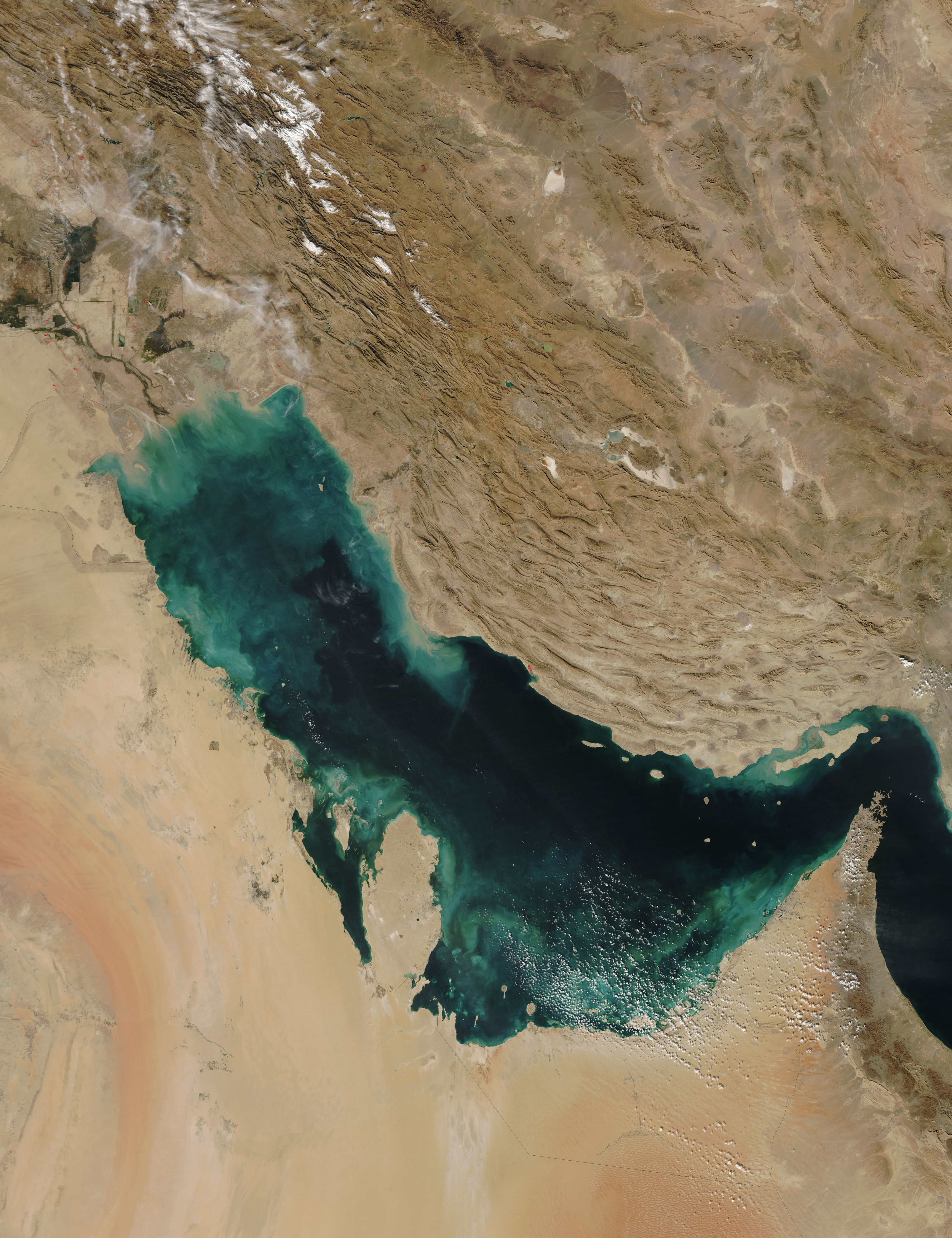
- Maritime Security: The UAE relies heavily on the safety of the Strait of Hormuz. Direct military involvement against Iran could lead to the closure or disruption of this vital waterway, crippling the nation’s oil exports.
- Diplomatic Leverage: By remaining officially neutral, the UAE positions itself as a potential mediator. If it becomes a combatant, it loses the ability to facilitate the ceasefires or diplomatic off-ramps that the international community, including the United States, is seeking.
This balancing act is not unique to the UAE; Saudi Arabia has faced similar pressures. However, the UAE’s specific role as a primary diplomatic bridge between the West, Israel, and the Arab world makes its neutrality particularly significant for global diplomacy.
What So for Regional Stability
The UAE’s insistence on its non-active role is a signal to both the Israeli government and the Iranian leadership. To Israel, it serves as a reminder that normalization does not equal a blank check for military coordination. To Iran, it is an attempt to decouple the UAE’s diplomatic ties with Israel from the active military conflict.
The broader implication is that the Gulf states are unlikely to enter the war openly. The cost of direct intervention—ranging from missile strikes on oil refineries to the disruption of the aviation sector—far outweighs the perceived benefits of joining a military coalition. Instead, the region is likely to see a continuation of “grey zone” warfare: cyberattacks, economic sanctions, and intelligence operations, all while maintaining a veneer of diplomatic neutrality.
As the conflict evolves, the international community will be watching whether the UAE can maintain this precarious equilibrium or if the pressure from either Tehran or Jerusalem will eventually force a more definitive alignment.
The next critical checkpoint for regional diplomacy will be the upcoming scheduled updates from the UN Security Council regarding the stability of the Strait of Hormuz and the status of diplomatic corridors in the Gulf. These updates will likely reveal whether the UAE’s neutrality is being accepted by the warring parties or if tensions continue to mount.
We invite our readers to share their perspectives on this regional balancing act in the comments below. How should Gulf nations navigate the tension between normalization and neutrality?
Worth a look
- Arizona Misses Bases Loaded Chances as Williams Extends Strikeout Streak
- Australia Implements Ministerial Direction 119 to Prioritize Onshore Visas
- AI Stock Slump Forces Hedge Fund Prodigy to Sell; Musk Denies Tesla Split Plans (archyde.com)
- The Secret of the Chinese Snacks: A Train Journey Discovery (archynewsy.com)