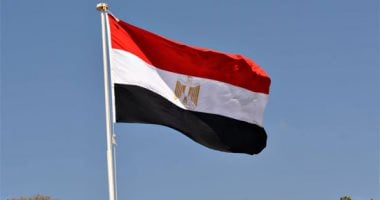
Egypt has publicly condemned an alleged terrorist plot targeting the United Arab Emirates, reinforcing regional solidarity in the face of shared security challenges. The statement, issued by Egypt’s Ministry of Foreign Affairs, denounced the scheme as a direct threat to the stability and sovereignty of the UAE, emphasizing Cairo’s unwavering support for Abu Dhabi’s efforts to safeguard national security. This diplomatic stance comes amid heightened scrutiny of cross-border extremist networks operating in the Gulf and North Africa, where intelligence cooperation has intensified in recent months.
The UAE announced on May 12, 2024, that its security forces had successfully disrupted a terrorist cell linked to the Iran-backed “Wilayat al-Faqih” network, which authorities said had been planning attacks aimed at destabilizing the state. According to official statements from the UAE’s Federal Public Prosecution, the group had conducted surveillance on vital infrastructure and sought to acquire explosives through clandestine channels. Seven individuals were apprehended in coordinated raids across Abu Dhabi and Dubai, with forensic evidence indicating ties to extremist ideologies promoting violence against Gulf governments.
Egypt’s condemnation, conveyed through a formal statement released on May 13, underscored the importance of Arab unity in confronting terrorism. “The Arab Republic of Egypt rejects and condemns in the strongest terms this criminal attempt to undermine the security and stability of the United Arab Emirates,” the ministry declared, adding that such acts “contradict all humanitarian and religious values and aim to sow discord among nations.” The statement further affirmed Egypt’s commitment to strengthening intelligence-sharing mechanisms with Gulf Cooperation Council (GCC) states to preempt future threats.
Regional allies swiftly echoed Egypt’s position. Kuwait’s Ministry of Interior praised the UAE’s “high level of vigilance and professionalism” in dismantling the cell, while Saudi Arabia’s State Security Presidency reiterated its full support for Abu Dhabi’s counterterrorism measures. These responses reflect a broader pattern of GCC and Arab League coordination, particularly following a series of thwarted plots attributed to Iran-aligned actors in 2023 and early 2024.
Context: Rising Concerns Over Iran-Linked Extremism in the Gulf
The disrupted plot in the UAE is part of a growing trend of security incidents involving groups claiming allegiance to “Wilayat al-Faqih,” a doctrinal concept central to Iran’s political system that asserts the authority of the Islamic jurist over state affairs. While the term is primarily theological, extremist factions have adopted it to justify violence against governments they perceive as un-Islamic or overly aligned with Western interests. Intelligence assessments from the United States Institute of Peace note that such networks often exploit sectarian tensions and economic grievances to recruit operatives in vulnerable communities.
In April 2024, Bahraini authorities announced the arrest of a cell suspected of planning attacks on police stations and foreign diplomatic missions, with links traced to similar ideologies. Oman also reported increased monitoring of online radicalization efforts targeting youth, particularly through encrypted messaging platforms. These developments have prompted Gulf states to enhance cyber surveillance capabilities and tighten border controls, especially along maritime routes used for smuggling weapons and illicit funds.
The UAE’s own counterterrorism framework, overseen by the Federal Supreme Council for National Security, has been recognized internationally for its proactive approach. In 2023, the country updated its anti-terrorism legislation to include stricter penalties for financing extremist activities and expanded the mandate of its Financial Intelligence Unit to monitor suspicious transactions linked to terror financing. These measures have contributed to a significant decline in successful attacks since 2020, though officials warn that adaptive threats require constant vigilance.
Diplomatic Implications and Regional Security Cooperation
Egypt’s public rebuke of the alleged plot carries weight beyond symbolic solidarity. As a founding member of the Arab League and a key player in Middle Eastern diplomacy, Cairo’s stance often influences consensus-building on regional security issues. Its foreign ministry has historically advocated for a collective Arab response to external interference, particularly actions perceived as undermining state sovereignty. This position aligns with the principles of the Arab Charter on Human Rights, which condemns terrorism as a violation of fundamental freedoms.
The incident also highlights the evolving nature of security alliances in the region. While traditional alliances remain strong, new frameworks are emerging to address non-traditional threats. The Negev Forum, launched in 2022, brings together Israel, Egypt, the UAE, Bahrain, Morocco, and the United States to discuss regional cooperation on water, energy, and security. Though not a military alliance, it facilitates intelligence exchange and joint training exercises that indirectly strengthen defenses against extremist infiltration.
Analysts at the Middle East Institute suggest that shared exposure to Iran-linked networks has become an unexpected catalyst for cooperation between former adversaries. “What we’re seeing is a quiet convergence of interests,” said a senior fellow specializing in Gulf affairs. “Countries that once viewed each other with suspicion are now finding common ground in the fight against terrorism — not because their differences have vanished, but because the threat has become too significant to ignore.”
Official Responses and Ongoing Investigations
Following the announcement of the disrupted plot, the UAE’s Federal Public Prosecution confirmed that the seven suspects remain in custody pending investigation. Charges under review include membership in a terrorist organization, possession of explosive materials, and conspiracy to commit acts endangering public safety. If convicted, they could face life imprisonment or capital punishment under UAE Federal Decree-Law No. 7 of 2014 on Combating Terrorism Crimes, as amended.
No official link has been established between the arrested individuals and direct operational support from Iranian state entities. However, investigators have cited digital communications showing ideological alignment with content produced by media outlets associated with the Islamic Revolutionary Guard Corps (IRGC). The UAE’s State Security Presidency has urged the public to report suspicious activity through its Aman Service hotline, emphasizing community vigilance as a critical component of national defense.
Egypt’s Ministry of Foreign Affairs has not disclosed whether it shared intelligence with the UAE prior to the announcement, but officials in Cairo have previously acknowledged regular security dialogues with Abu Dhabi through the Joint Egyptian-Emirati Committee for Security Cooperation. Established in 2019, the committee meets biannually to assess threats, share best practices, and coordinate training programs for law enforcement and judicial personnel.
As of May 2024, no trial date has been set for the suspects, and legal proceedings are expected to follow standard UAE judicial timelines, which can span several months depending on the complexity of evidence and defense motions. The Federal Public Prosecution typically provides updates through its official website and press releases, which are considered the most reliable sources for case developments.
For readers seeking verified information, the UAE’s Federal Public Prosecution (official portal) and the Egyptian Ministry of Foreign Affairs (official website) regularly publish statements on security matters. The Gulf Cooperation Council’s Secretariat (official site) issues periodic reports on regional counterterrorism initiatives.
This incident serves as a reminder that security challenges in the Middle East are increasingly interconnected, requiring sustained cooperation across borders. While no single nation can eliminate the threat of terrorism alone, coordinated efforts — grounded in mutual respect, intelligence sharing, and adherence to the rule of law — offer the most effective path forward. As regional actors continue to navigate complex geopolitical dynamics, the shared commitment to stability remains a vital foundation for peace.
We encourage readers to share their thoughts on this development and stay informed through trusted news sources. Your perspective helps foster meaningful dialogue on issues that affect us all.
Related reading