
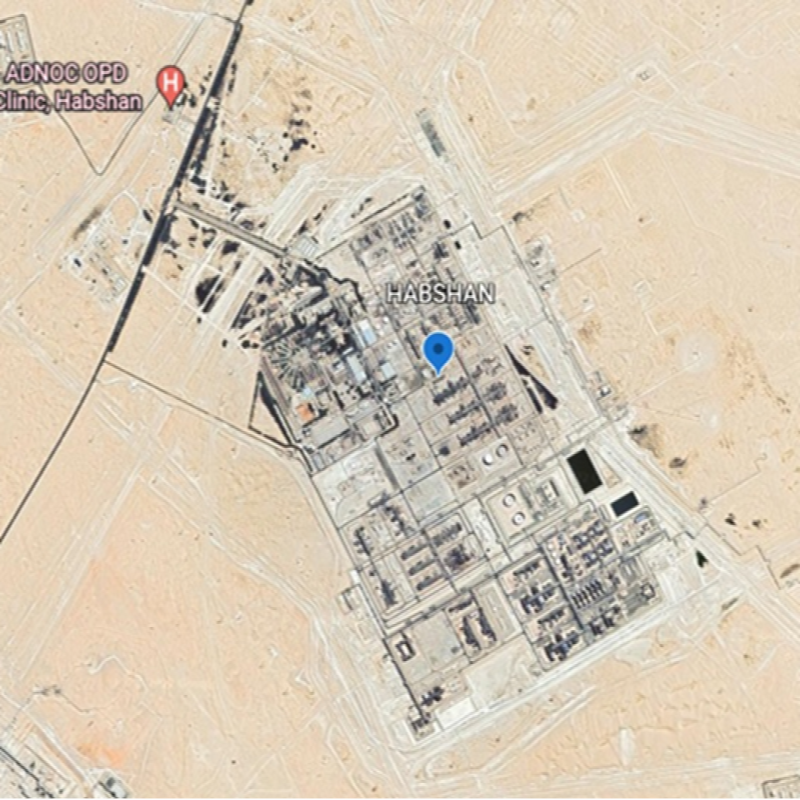
A fatal incident at a major energy facility in the United Arab Emirates has left one worker dead and raised concerns over safety at critical infrastructure sites. An Egyptian national died during the emergency evacuation of the Habshan gas complex in the Emirate of Abu Dhabi, following a fire triggered by falling debris during an event on Friday.
The Habshan gas complex incident occurred after debris fell onto the site, sparking a blaze that necessitated the immediate evacuation of personnel. Whereas the facility’s safety protocols were activated, the tragedy underscores the inherent risks associated with operating high-pressure gas environments in the region.
As an editor who has spent over a decade covering geopolitics and human rights, I have seen how industrial accidents at strategic sites often ripple through the local workforce and the broader energy market. In this instance, the loss of a foreign national highlights the vulnerability of the migrant labor force that sustains the UAE’s vast energy sector.
The Incident at the Habshan Gas Complex
The emergency unfolded on Friday when debris fell at the complex, leading to a fire. During the subsequent evacuation process, an Egyptian national lost his life as personnel were moved away from the danger zone. The cause of the debris fall has not been officially detailed in verified reports, but the resulting fire created a critical situation for the workers on site.

Evacuation procedures at such facilities are rigorous, yet the presence of volatile materials means that even a controlled exit can be fraught with danger. The death of the worker serves as a somber reminder of the volatility of the energy hubs that power the Gulf region.
Understanding the Habshan Facility and the “Red Zone”
Habshan is not merely a local plant; it is a major oil and gas field for the Abu Dhabi National Oil Company (ADNOC), located in the southwestern part of the Abu Dhabi Emirate. The site is essential for the UAE’s energy production and export capabilities, housing both oil fields and residential camps for the workforce.
One of the most dangerous aspects of the Habshan region is the presence of hydrogen sulphide gas. Because of this, a significant portion of the area is designated as a “Red Zone” due to the toxicity of the gas. In such zones, strict safety protocols and specialized equipment are mandatory, as hydrogen sulphide is lethal even in modest concentrations. This environmental hazard adds a layer of complexity to any emergency evacuation, as workers must navigate both the immediate threat of fire and the persistent risk of gas leaks.
Beyond gas processing, Habshan serves as a critical logistics hub. It is a primary production area for sulphur—a byproduct of the oil industry—and acts as the terminal station for the UAE’s railway network developed by Etihad Rail, which began commercial operations in December 2015 to transport sulphur to Ruwais.
Abu Dhabi’s Strategic Energy Role
The incident takes place within the broader context of Abu Dhabi’s role as the national capital and the economic engine of the United Arab Emirates and the capital of the Abu Dhabi emirate. The city and its surrounding regions are central to the global energy supply chain, making the stability and safety of sites like Habshan a matter of international economic interest.
For the global audience, this event emphasizes the precarious balance between industrial ambition and worker safety. The UAE continues to expand its energy infrastructure to maintain its competitive edge, but the human cost of such operations remains a critical point of discussion for international labor organizations and human rights advocates.
Key Takeaways: The Habshan Incident
- Casualties: One Egyptian national died during the evacuation of the Habshan gas complex.
- Cause: A fire broke out on Friday following the fall of debris onto the site.
- Location: The facility is a major ADNOC oil and gas field in southwestern Abu Dhabi.
- Environmental Risk: Much of the area is a “Red Zone” due to the presence of hazardous hydrogen sulphide gas.
- Infrastructure: Habshan is a key node for sulphur production and the Etihad Rail network.
Official authorities have not yet released a detailed forensic report on the origin of the debris. We are awaiting further updates from the Abu Dhabi National Oil Company (ADNOC) regarding the current operational status of the complex and any additional safety measures being implemented to prevent future accidents.
We invite our readers to share their thoughts on industrial safety standards in the energy sector in the comments below. Please share this report to keep the global community informed on energy infrastructure safety.