
President Donald Trump has moved to claw back funding previously approved for a variety of initiatives that once enjoyed strong bipartisan backing, often acting with the explicit or implicit approval of the Republican-led Congress.
This shift in fiscal priority reflects a broader trend of consolidating executive and legislative control over federal spending. While many of these programs were originally established through cross-party consensus, the current administration has targeted these funds for reduction or reallocation, signaling a departure from traditional bipartisan foreign and domestic aid frameworks.
The ability of the administration to execute these cuts is bolstered by a high degree of party discipline within the legislative branch. According to a recent analysis, 89 percent of Republicans in Congress vote with the president 100 percent of the time per the Trump Scorecard.
The Mechanism of Legislative Alignment
The erosion of bipartisan funding initiatives is closely tied to the internal dynamics of the Republican party on Capitol Hill. Reports indicate that President Trump has spent the past year utilizing a combination of fear and intimidation to ensure that members of Congress remain aligned with his directives as detailed by Politico.
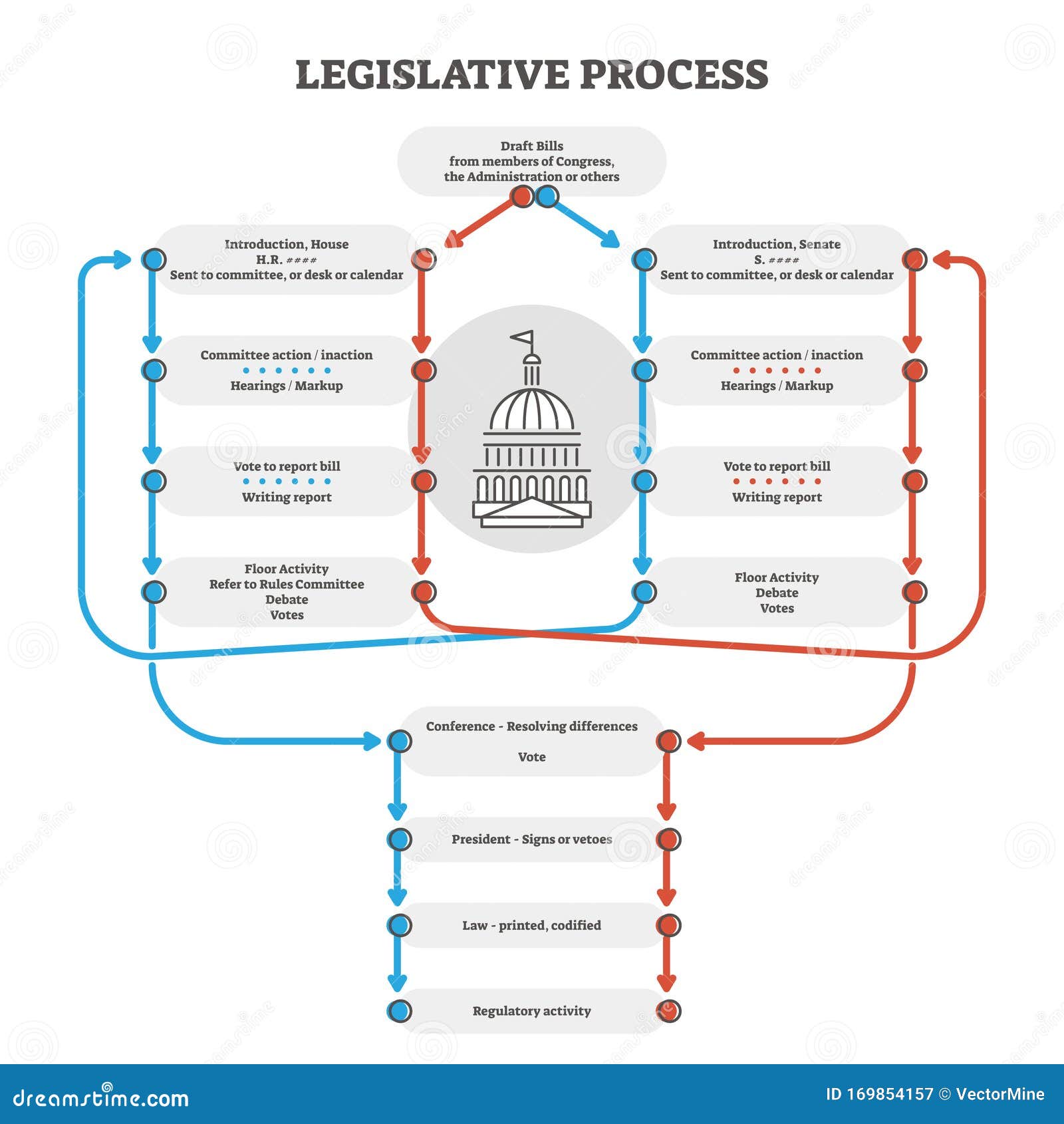
While these tactics have seen considerable success in maintaining a unified front, some analysts suggest the effectiveness of such pressure is beginning to wane. A growing segment of lawmakers, described as those with “nothing to lose,” may be less susceptible to the administration’s methods of enforcement, potentially creating future friction in the approval of budget cuts or funding reallocations.
Strategic Leverage of Reconciliation to Bypass Bipartisanship
The administration’s approach to funding is further illustrated by recent efforts to secure resources for priority agencies while bypassing Democratic opposition. A primary example is the plan to fully fund the Department of Homeland Security (DHS), specifically focusing on Immigration and Customs Enforcement (ICE) and Border Patrol.
In a post on Truth Social, President Trump demanded that Congress utilize the reconciliation process to fund these agencies, a legislative maneuver that allows Republicans to pass a bill without the support of Senate Democrats via CBS News. The President set a deadline for this legislation to reach his desk by June 1.
This strategy involves a two-track approach: using an appropriations bill to fund the majority of DHS until October, while utilizing reconciliation for the specific needs of ICE and Border Patrol. House Speaker Mike Johnson and Senate Majority Leader John Thune have stated they will work to implement this directive, ensuring that funding for these agencies is replenished as quickly as possible.
Impact on Bipartisan Consensus
The move toward reconciliation and the clawing back of previously agreed-upon funds represents a significant shift in how the U.S. Government manages initiatives that traditionally required broad political support. By prioritizing reconciliation and executive directives over bipartisan appropriations, the administration is effectively reducing the influence of the minority party on federal spending priorities.
This trend is not limited to domestic security but extends to any initiative where the administration believes bipartisan agreements no longer serve its immediate goals. The result is a landscape where once-stable programs, backed by both parties, are now subject to the volatility of executive preference and single-party legislative control.
Key Takeaways on Funding Shifts
- Bipartisan Erosion: Funds for initiatives with strong cross-party support are being clawed back by the administration.
- GOP Loyalty: Approximately 89% of Republicans in Congress maintain a 100% voting record with the president.
- Procedural Shifts: The administration is increasingly relying on the reconciliation process to bypass Senate Democrats for priority funding.
- Executive Pressure: Fear and intimidation have been primary tools used to keep legislative members in line with executive spending goals.
The next critical checkpoint for these funding strategies will be the upcoming pro forma sessions in the Senate and House, where votes regarding the Department of Homeland Security funding may occur as early as Thursday.
We invite our readers to share their perspectives on the shift toward reconciliation-based funding in the comments section below.
Worth a look