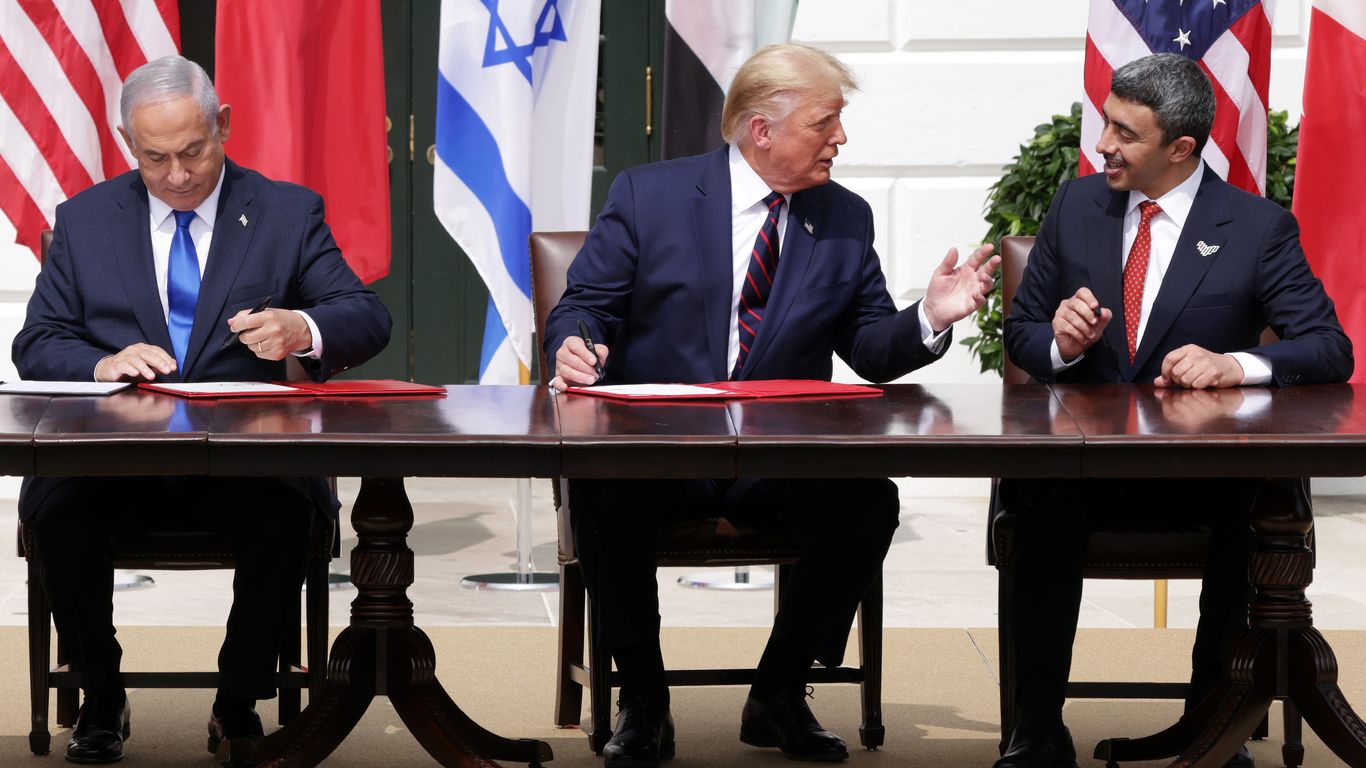
UAE Warns US & Israel: West Bank Annexation Threatens Regional Peace & Abraham Accords
The fragile landscape of Middle Eastern diplomacy is facing a critical test as Israel contemplates annexing portions of the West Bank. While maintaining cooperation with Israel even amidst the ongoing conflict in Gaza,the United Arab Emirates has delivered a stark warning to both the netanyahu government and the trump administration: annexation constitutes a “red line” that will severely damage the UAE-Israel relationship and jeopardize the broader vision of regional integration. This escalating tension, revealed thru private diplomatic channels and public statements, underscores the high stakes involved and the potential unraveling of the hard-won gains of the Abraham Accords.
A Cornerstone of the Accords at Risk
The UAE’s position is rooted in the foundational agreement that paved the way for the normalization of relations with Israel in 2020. A key condition for signing the accords was a clear commitment from Israel to refrain from annexation. While Israeli officials now argue this commitment was time-bound, Emirati counterparts maintain that any annexation would fundamentally violate the spirit of the agreement, undermining the trust and shared vision that underpinned it.
“these plans, if carried out, will do considerable damage to the UAE-Israel relationship.And they will irreparably damage whatever remains of the vision of regional integration. In many ways, the choice before Israel right now is annexation or integration,” a senior Emirati official told Axios, highlighting the gravity of the situation. The official stopped short of explicitly threatening a revocation of the Abraham Accords, but deliberately left the possibility open, signaling the depth of their concern.
Internal Divisions Within the Trump Administration
The situation is further complicated by apparent divisions within the Trump administration itself. Prime Minister Netanyahu has been holding internal discussions regarding potential annexations,though no final decisions have been made. While President Trump previously blocked annexation plans during his first term, his current stance remains unclear.Adding to the confusion, reports suggest conflicting signals from key administration figures. Two Israeli officials claim Secretary of State Marco Rubio has privately indicated a lack of opposition to West Bank annexations, suggesting the administration wouldn’t actively intervene.However, this assessment is disputed by White House envoy Steve Witkoff, who reportedly believes annexation would hinder U.S. efforts to forge a post-war plan for Gaza and derail the potential for a landmark peace deal between Israel and saudi Arabia. The White House and State Department have declined to comment on these internal disagreements.
UAE Publicly Lobbies for Intervention
Frustrated by the lack of clarity and the potential for unilateral action, the UAE has moved beyond private diplomacy and launched a public campaign to persuade President Trump to intervene. Lana Nusseibeh, a senior advisor to the Emirati foreign minister, explicitly urged the administration to leverage its influence to prevent annexation in a recent interview with The Times of Israel.”We trust that President Trump will not allow the Abraham Accords tenet of his legacy to be tarnished, threatened or derailed by extremists and radicals,” Nusseibeh stated, emphasizing the importance of protecting the Accords as a defining achievement of the Trump presidency. The UAE believes the U.S. possesses “many of the levers” necessary to influence Israeli policy and avert a possibly disastrous outcome.
The Context: Beyond Retaliation
The UAE is adamant that any annexation should not be framed as retaliation for potential Palestinian recognition by other nations. The senior Emirati official dismissed this claim as “not believable,” emphasizing that the issue transcends a tit-for-tat dynamic. Annexation, they argue, would represent “a death knell for the two-State solution,” effectively extinguishing any remaining hope for a peaceful resolution to the Israeli-Palestinian conflict.
Rubio’s role & Escalating Tensions
The situation is further inflamed by the planned visit of Senator Marco rubio to the region. His scheduled participation in an event organized by a settler group at a politically sensitive archaeological site in East Jerusalem – near the Al-aqsa Mosque - is viewed as provocative and likely to exacerbate tensions. This visit comes on the heels of Rubio’s efforts to bar Palestinian officials from attending the UN General Assembly, signaling a broader pattern of administration actions perceived as favoring Israel and undermining the Palestinian Authority.
What to Watch For
The coming days are crucial.Prime Minister Netanyahu is scheduled to hold another meeting on the annexation plan this Thursday. Key figures, including Netanyahu’s confidant Ron Dermer, are preparing for diplomatic missions to the U.S. – Dermer will travel to Miami and Washington to engage in talks with Rubio and Witkoff.
The outcome of these discussions, and ultimately Netanyahu’s decision, will determine whether the Abraham Accords remain a beacon of hope for regional peace
Keep reading