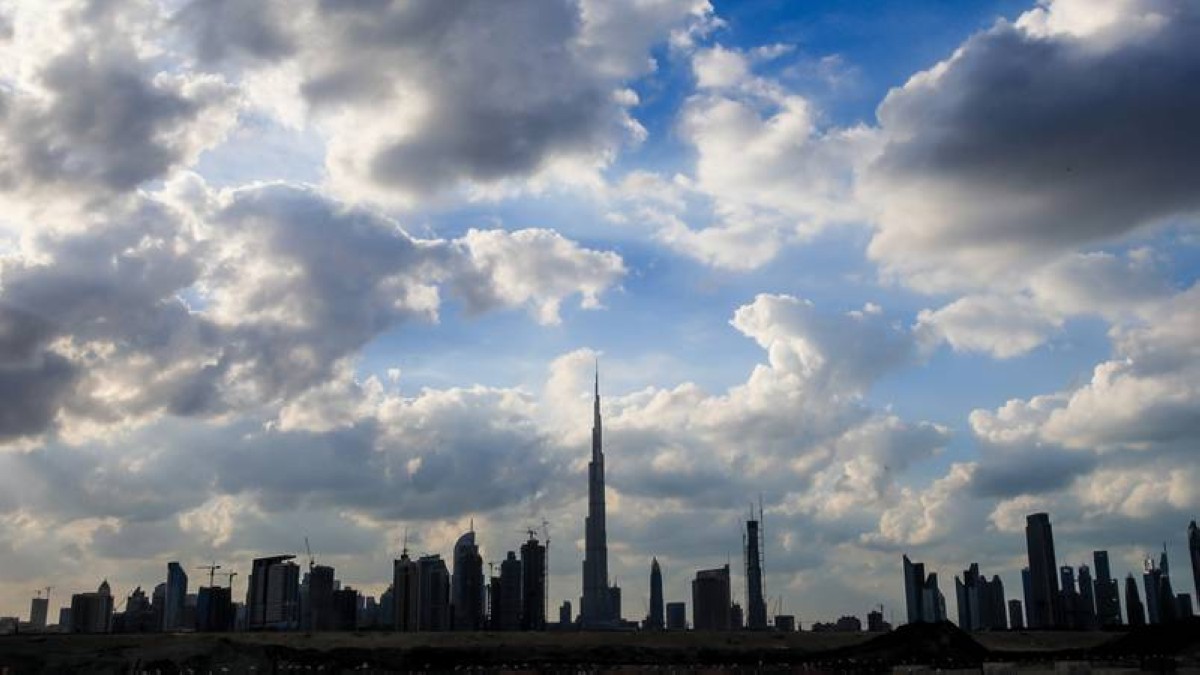
The United Arab Emirates is bracing for a shift in weather conditions, with forecasts predicting a mix of sunshine and cloud cover alongside rising temperatures. While conditions are expected to be generally pleasant, residents should be aware of the potential for increased humidity overnight and into Wednesday morning, with a possibility of fog or light mist forming in some western coastal areas. This forecast comes as the region transitions through late February, a period often characterized by fluctuating weather patterns.
The National Center of Meteorology (NCM) has issued advisories urging caution, particularly for drivers, as visibility could be significantly reduced in affected areas. The anticipated rise in temperatures follows a period of relatively mild weather, and the increased humidity is typical for this time of year along the UAE’s coastline. Understanding these conditions is crucial for both residents and visitors to ensure safe travel and outdoor activities.
Weather Outlook for the UAE: A Detailed Forecast
According to the latest reports from the NCM, tomorrow’s weather will be predominantly clear to partly cloudy. Temperatures are expected to climb, with daytime highs reaching 31°C in Abu Dhabi and Dubai, 30°C in Sharjah, and 26°C in Ajman. The inland city of Al Ain is forecast to experience the highest temperatures, potentially reaching 32°C. Emirates Today reported on February 17, 2026, that the NCM warned of potential fog formation.
Nighttime temperatures will remain relatively mild, ranging from 14°C in Liwa to 21°C in Fujairah. The NCM also anticipates light to moderate winds, blowing from the southeast to northeast at speeds of 10 to 20 km/h, occasionally gusting up to 30 km/h. These wind patterns are common for the season and contribute to the overall weather dynamics of the region. The combination of rising temperatures and increased humidity creates conditions conducive to fog formation, particularly in coastal areas.
Marine Conditions and Tides
For those planning maritime activities, the NCM provides detailed information on wave conditions and tidal patterns. In the Arabian Gulf, waves are expected to be light. High tide is predicted for 17:48 and 05:43, while low tide will occur at 11:58 and 22:39. In the Gulf of Oman, wave conditions will also be light, with high tide expected at 15:38 and 01:53, and low tide at 08:43 and 20:37. These tidal predictions are essential for safe navigation and coastal operations.
Understanding these tidal patterns is crucial for various activities, including fishing, shipping, and recreational boating. The NCM regularly updates its marine forecasts to provide accurate and timely information to mariners. The light wave conditions are generally favorable for most marine activities, but caution is still advised, especially during periods of reduced visibility due to potential fog.
City-Specific Temperature and Humidity Levels
Here’s a breakdown of the expected temperature and humidity levels across key cities in the UAE:
| City | Maximum Temperature (°C) | Minimum Temperature (°C) | Maximum Humidity (%) | Minimum Humidity (%) |
|---|---|---|---|---|
| Abu Dhabi | 31 | 17 | 90 | 20 |
| Dubai | 31 | 19 | 80 | 40 |
| Sharjah | 30 | 18 | 80 | 30 |
| Ajman | 26 | 19 | 85 | 45 |
| Umm Al Quwain | 29 | 14 | 80 | 40 |
| Ras Al Khaimah | 30 | 12 | 90 | 30 |
| Fujairah | 28 | 21 | 80 | 20 |
| Al Ain | 32 | 18 | 60 | 15 |
| Liwa | 33 | 14 | 85 | 15 |
| Al Ruwais | 28 | 14 | 90 | 45 |
| As Sila | 31 | 17 | 85 | 50 |
| Dalma | 24 | 19 | 85 | 60 |
| Greater Tunb / Lesser Tunb | 27 | 18 | 85 | 70 |
| Abu Musa | 27 | 18 | 85 | 70 |
These figures highlight the variations in temperature and humidity across different regions of the UAE. The higher humidity levels in coastal areas, particularly Abu Dhabi and Dubai, contribute to the potential for fog formation. Residents in these areas should exercise extra caution during the overnight and early morning hours.
Safety Precautions and Travel Advice
The NCM strongly advises drivers to exercise caution and adhere to traffic safety guidelines, especially in areas experiencing reduced visibility. Maintaining a safe speed and increasing following distances are crucial steps to prevent accidents. The potential for fog underscores the importance of ensuring vehicle headlights are functioning correctly and are used appropriately. MSN Arabia also highlighted the NCM’s warning regarding reduced visibility.
For maritime activities, it is essential to stay updated on the latest marine forecasts and adhere to all safety regulations. The NCM provides regular updates on wave conditions, tidal patterns, and potential hazards. Boaters should ensure their vessels are equipped with appropriate navigation equipment and communication devices. The light wave conditions currently predicted are generally favorable, but vigilance is still required.
Residents are also advised to stay hydrated, especially during the warmer daytime hours. The combination of rising temperatures and humidity can lead to dehydration, so it is key to drink plenty of water throughout the day. Protecting skin from the sun’s harmful rays is also recommended, particularly during peak hours. The UAE’s climate requires proactive measures to ensure health and well-being.
The NCM will continue to monitor the weather conditions closely and provide updates as needed. Residents and visitors are encouraged to stay informed through official channels, including the NCM’s website and social media platforms. Staying prepared and aware of the latest forecasts is the best way to ensure safety and enjoy the UAE’s diverse climate.
The next update from the National Center of Meteorology is scheduled for tomorrow evening. We encourage readers to share their weather experiences and observations in the comments below. Please also share this article with friends and family to help ensure everyone stays informed, and safe.
Worth a look