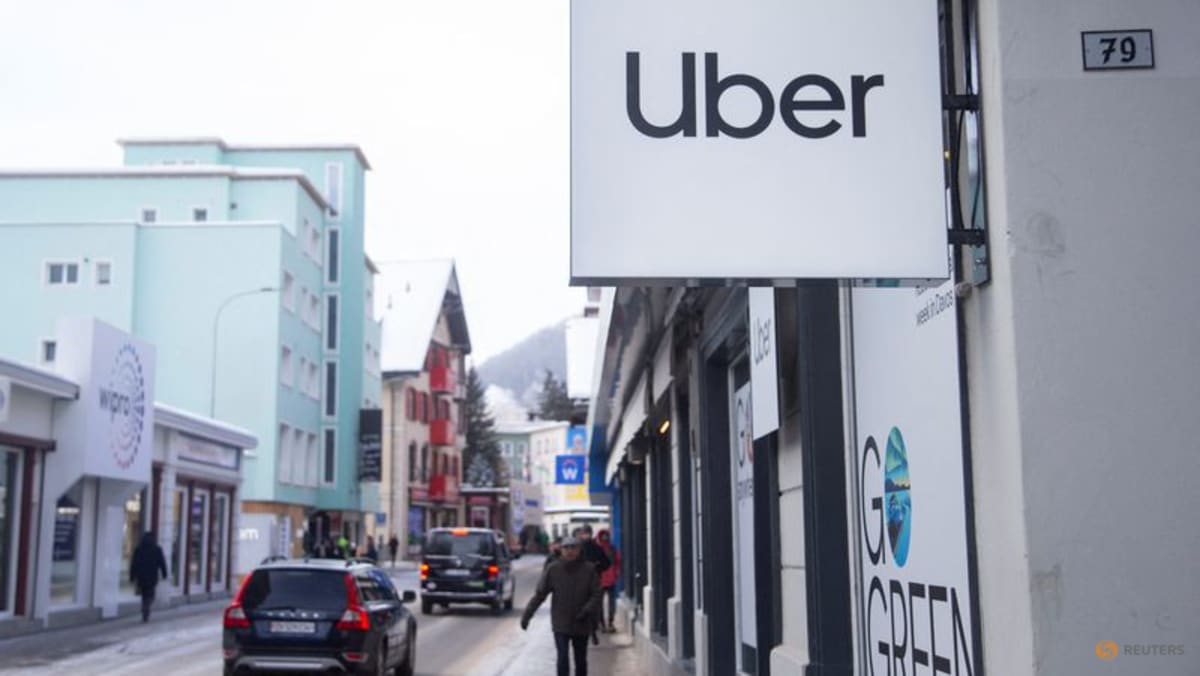
Uber Technologies Inc. is reportedly in advanced discussions to acquire the Berlin-based food delivery company Delivery Hero in a deal valued at approximately €12.5 billion ($13.5 billion). The potential acquisition, which would represent a significant consolidation in the global food delivery sector, remains subject to regulatory scrutiny and has yet to be formally confirmed by either company.
According to reports, the transaction would see Uber absorb Delivery Hero’s extensive operations across various international markets. Delivery Hero, which has been a major player in the European and Asian delivery landscape, has faced investor pressure regarding its profitability and long-term growth strategy. Shares in Delivery Hero rose in trading following the reports of a potential exit from key markets or a full acquisition, reflecting market anticipation of a major restructuring.
Market Consolidation and Strategic Intent
For Uber, the acquisition of Delivery Hero would significantly expand its footprint in regions where Delivery Hero holds a dominant market share, particularly in parts of Asia and the Middle East. Uber, which operates its food delivery arm under the Uber Eats brand, has spent years shifting from a growth-at-all-costs model to one focused on GAAP profitability, as detailed in their recent quarterly financial disclosures. By integrating Delivery Hero, Uber could achieve greater economies of scale and improve its bargaining power with restaurant partners and delivery couriers.

Delivery Hero has previously engaged in a series of divestments to streamline its operations. Most notably, the company sold its stake in the UK-based food delivery service Deliveroo and offloaded its operations in Taiwan to Uber Eats for approximately $950 million in a deal announced in May 2024, according to Reuters. This move marked a trend of regional consolidation as Delivery Hero sought to focus on its most profitable segments.
Regulatory Hurdles and Antitrust Concerns
A deal of this magnitude is expected to face rigorous investigation by antitrust regulators in multiple jurisdictions. In the European Union, the European Commission frequently monitors mergers that could lead to a reduction in competition within the digital platform economy. Similar scrutiny is anticipated from competition authorities in Asia, where both companies have previously faced pressure regarding their influence over pricing and labor practices.

The European Commission’s competition policy focuses on ensuring that mergers do not create dominant positions that might harm consumers or restrict the entry of new competitors. Given the size of the proposed acquisition, legal analysts expect that any final agreement would likely require Uber to offer concessions, such as the divestment of certain operational assets in markets where the combined entity would hold an overwhelming share of the delivery sector.
Impact on Stakeholders and the Delivery Sector
The potential merger highlights the ongoing challenges facing the “gig economy.” Both companies rely heavily on independent contractors to facilitate their delivery networks. Critics and labor advocacy groups have frequently challenged the employment models used by these platforms, often leading to litigation regarding the classification of workers and the provision of benefits. A combined entity would likely face renewed focus from labor regulators regarding how these standards are maintained across a larger, more unified infrastructure.
Investors remain cautious as they await official confirmation. While the potential for cost synergies is high, the complexity of integrating two large-scale international delivery networks poses operational risks. The food delivery market has seen a cooling of the rapid expansion observed during the pandemic, forcing companies to prove that they can generate sustainable cash flow without relying on heavy subsidies for customers and restaurants.
Next Steps in the Negotiation Process
As of now, neither Uber nor Delivery Hero has issued a formal statement confirming the finalization of the deal. The next major checkpoint for investors and analysts will be the release of quarterly earnings reports or official regulatory filings, such as a Form 8-K from Uber, which would be required if a definitive agreement is signed. Market participants are also watching for any official statements from European or Asian competition regulators regarding preliminary inquiries into the potential impact of such a merger on market competition.
For real-time updates on this developing story, stakeholders are encouraged to monitor the official investor relations portals for both Uber Technologies and Delivery Hero SE. Updates regarding formal filings and regulatory approvals will be disseminated through these official channels as they become available.
This is a developing news story. Please check back for updates as more information becomes available. Comments and shares are encouraged for those following the consolidation of the global tech and logistics sectors.
Worth a look