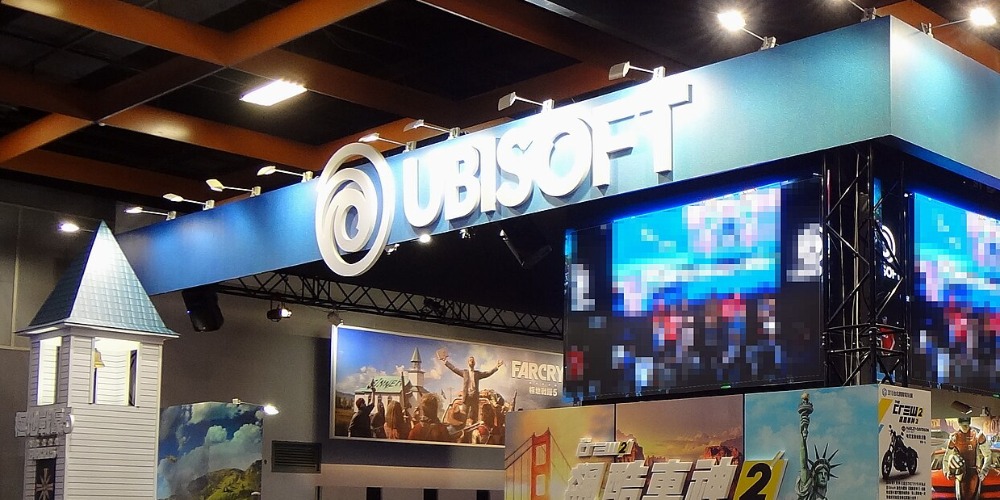
Ubisoft Entertainment SA has confirmed the closure of two internal studios and the reduction of its global workforce by approximately 380 positions as part of a broader organizational restructuring. The French video game publisher, known for franchises such as Assassin’s Creed and Far Cry, announced these measures to streamline operations and improve long-term financial efficiency, according to a statement provided to industry outlets.
The job cuts primarily impact the company’s mobile division and its internal IT support teams. This reduction represents a continuation of the cost-cutting strategy Ubisoft initiated in 2023, which has seen the company navigate a challenging market environment characterized by shifting player engagement and rising development costs. The 380 affected employees are based across various international offices, as the company seeks to consolidate its creative and technical resources.
Context of the Ubisoft Workforce Reduction
The decision to shutter two studios and reduce headcount is framed by Ubisoft as a necessary step to focus on its most profitable intellectual properties. According to financial disclosures provided by the company, the publisher has faced pressure to improve operating margins amid a competitive landscape for AAA gaming titles. The closure of these specific facilities follows a pattern of consolidation seen across the broader technology and gaming sectors throughout 2024, where firms have moved to reduce overhead in response to changing investor expectations and post-pandemic market corrections.

Industry analysts have noted that these layoffs are part of a multi-year effort to streamline Ubisoft’s internal structure. In previous filings, the company indicated that it intended to reduce its total headcount by several hundred roles to focus on “high-growth” areas. This latest round of departures brings the total number of employees released since the start of the fiscal restructuring cycle to well over 1,000, as reported by major financial news services.
Impact on Operations and Development
The closure of the two studios is expected to affect the company’s mobile gaming output and internal infrastructure support. Ubisoft has stated that it will shift remaining personnel to focus on its core “live service” titles and upcoming premium releases. For players, this suggests a potential narrowing of the company’s portfolio, with more resources being diverted to flagship franchises that have historically delivered consistent revenue.
The IT and mobile divisions were specifically targeted because the company is transitioning toward a more centralized model of software development. By reducing the number of independent studio hubs, Ubisoft aims to decrease the complexity of its project management and reduce the “burn rate” associated with maintaining multiple, smaller development teams. These moves are aligned with the company’s stated goal of achieving a more sustainable cost structure by the end of the current fiscal year, as detailed in their latest investor relations briefing.
Market Response and Future Outlook
The gaming industry has been closely watching Ubisoft’s financial trajectory following a series of delays to major software releases in recent years. While the company maintains a robust pipeline of content, including new entries in the Assassin’s Creed series, the market has reacted cautiously to these repeated workforce reductions. Investors are currently looking for signs that these operational changes will lead to improved profitability in the upcoming quarters.
The next major checkpoint for the company’s financial reporting is the upcoming quarterly earnings call, where executives are expected to provide further clarity on the status of the restructuring program. The company has not announced any further studio closures at this time, but the ongoing nature of the layoffs remains a point of concern for labor advocates and industry observers. As the company continues its pivot toward a more centralized development model, the focus remains on whether these internal efficiencies can translate into higher-quality software and stabilized long-term growth.
As a technology editor, I will continue to monitor the impact of these changes on the gaming sector. If you have insights or observations regarding this development, please feel free to share them in the comments section below.