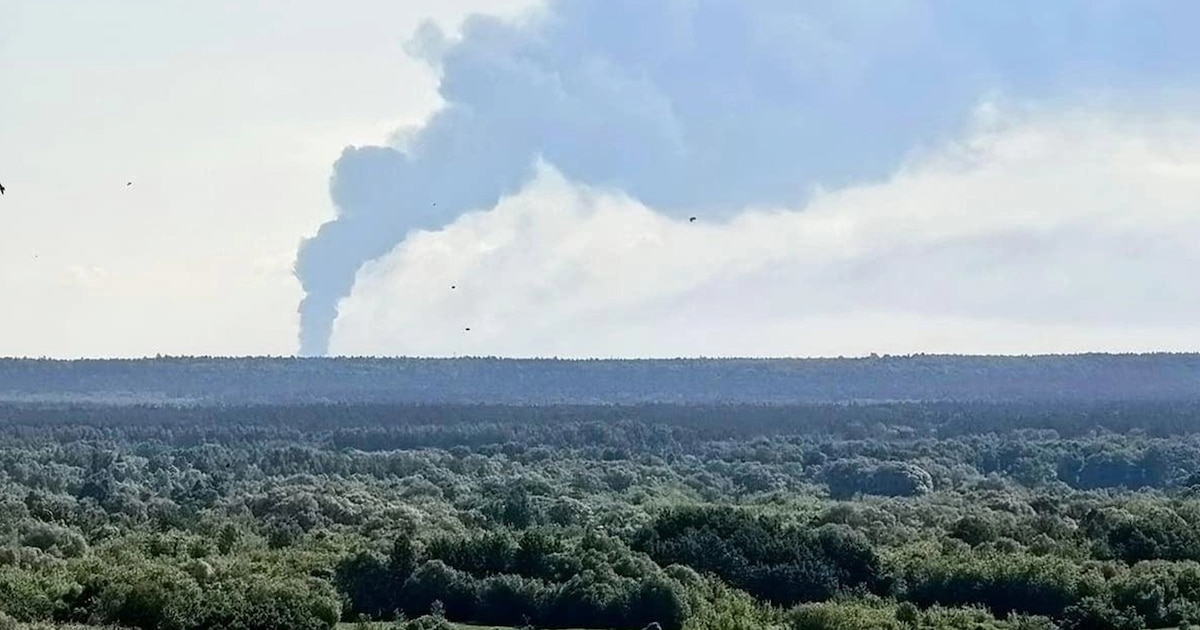
Ukrainian forces have intensified long-range drone operations targeting critical energy infrastructure within Russian territory, including a recent strike on a petroleum pumping station. This escalation is part of a broader campaign by Kyiv to disrupt the logistical supply chains that fuel Moscow’s military efforts. According to reports from regional authorities and international observers, the strikes have targeted oil facilities deep inside Russia, forcing emergency responses from local civilian and military services.
As the conflict continues, the frequency of these cross-border drone incursions has reached some of the highest levels observed since the start of the full-scale invasion in February 2022. The Russian Ministry of Defense has claimed it intercepted hundreds of aerial threats in a single operation, while Ukrainian officials maintain that these strikes are a necessary response to ongoing missile attacks against their own energy grid. The situation remains volatile, with both sides utilizing asymmetric warfare to degrade the opponent’s industrial capacity.
Strategic Impact on Russian Oil Logistics
The targeting of oil pumping stations represents a shift in focus toward the logistical arteries that keep Russia’s military machine operational. These stations serve as critical nodes in the pipeline networks that transport crude oil and refined products to refineries and export terminals. By striking these locations, Ukraine aims to complicate the distribution of fuel, which is essential for the movement of heavy armor and aviation assets near the front lines.
According to assessments from the Institute for the Study of War, Russia’s energy infrastructure has been a primary target for Ukrainian long-range strikes throughout 2024. These operations are designed to create economic pressure and force Moscow to divert air defense resources away from the front lines in Ukraine to protect sensitive assets within its own borders. The Reuters news agency has corroborated reports of fires at several regional fuel depots following these drone incursions, indicating that the strikes have successfully bypassed some perimeter defenses.
Scale of the Aerial Engagements
Russian official statements suggest a massive defensive effort is underway to counter the persistent drone threat. The Ministry of Defense in Moscow reported that its air defense systems neutralized 660 drones over a recent period, though these claims remain difficult to verify independently due to the “fog of war” and the lack of third-party observers on the ground, as noted by the BBC.
Conversely, Kyiv has consistently reported sustained missile and drone barrages from Russian forces, targeting power plants and residential infrastructure across Ukraine. This reciprocal cycle of strikes has left both nations grappling with significant repair costs for their energy grids. While Russia maintains a larger inventory of long-range missiles, Ukraine has demonstrated a growing capability to produce and deploy low-cost, long-range “kamikaze” drones, which are increasingly difficult for conventional radar systems to track and intercept.
The Human and Economic Toll
The impact of these strikes extends beyond military logistics, affecting civilian populations and the regional economy. Residents in areas near targeted energy facilities have reported power fluctuations and increased security measures, according to local government briefings. The economic strain is compounded by the rising costs of insurance and logistics for oil transport, as international markets react to the instability in a major energy-producing region.
For the residents of the affected regions, the ongoing conflict has meant a shift toward life under constant alert. The United Nations Office of the High Commissioner for Human Rights continues to document the civilian impact of these attacks, emphasizing that the targeting of critical infrastructure often results in the disruption of essential services, including heating and water, which are vital for survival during harsh weather conditions.
Next Steps in the Escalation
The next major developments in this conflict will likely be determined by the ability of each side to replenish its stockpiles of drones and missiles. Military analysts suggest that the coming months will see an increased reliance on electronic warfare systems to jam drone guidance signals. Observers are also monitoring for any potential shift in the international response, as Western nations evaluate the use of supplied long-range weaponry in strikes on Russian soil.
No official date has been set for a change in the current operational tempo. International observers and the International Atomic Energy Agency continue to monitor the safety of energy infrastructure, particularly as the proximity of military strikes to critical sites remains a primary concern for regional security. Please share your thoughts in the comments section below or follow our ongoing coverage for updates as they become available.
Related reading