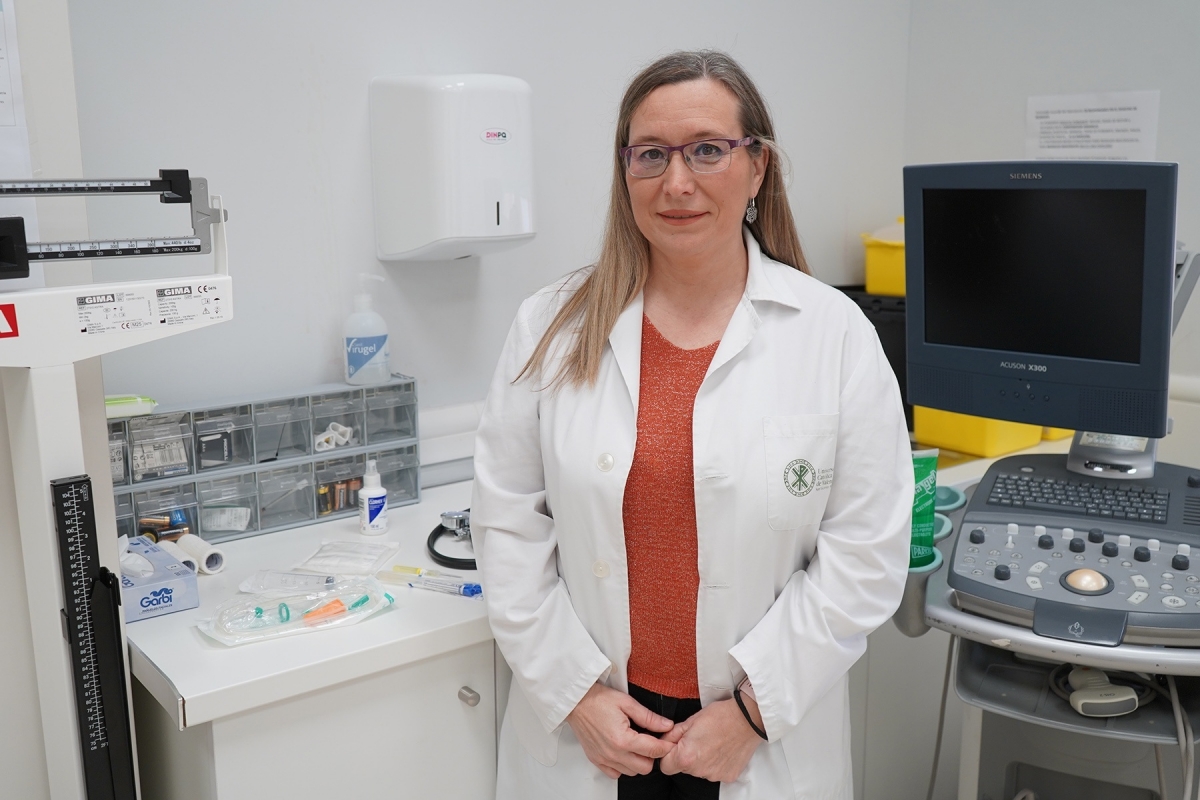
Valencia, Spain – Researchers at the Universidad Católica de Valencia (UCV) have identified a promising new therapeutic strategy for managing symptoms associated with Amyotrophic Lateral Sclerosis (ALS), also known as Lou Gehrig’s disease. The study, led by Professor Rosa María Maset, suggests that a combination therapy involving the drug dutasteride and a liposomated antioxidant complex of curcumin and resveratrol may significantly improve autonomic function in individuals diagnosed with ALS. This research offers a potential avenue for improving quality of life for those living with this debilitating neurodegenerative disease.
ALS is a progressive condition that affects nerve cells in the brain and spinal cord, leading to muscle weakness, paralysis, and death. While primarily known for its impact on motor function, increasing evidence suggests that ALS also disrupts the autonomic nervous system, which controls involuntary functions like heart rate and blood pressure. Professor Maset’s work focuses on addressing these often-overlooked autonomic impairments, which can significantly impact a patient’s overall well-being. The study, conducted within the framework of the Imcrela project and the ‘Stress and Disease’ research group, represents a significant step forward in understanding and potentially treating these complex aspects of ALS.
The research, recently defended as Professor Maset’s doctoral thesis, involved a randomized, placebo-controlled clinical trial with 51 participants. The participants, comprised of 38 men and 23 women with a mean age between 55 and 59 years, were carefully selected to ensure comparable characteristics between the intervention and placebo groups. This rigorous methodology strengthens the validity of the findings and provides a solid foundation for future research. The study’s design aimed to balance the need for clinical follow-up with the rapid progression of ALS, minimizing the burden on patients and their caregivers.
Understanding ALS and the Role of Autonomic Function
Amyotrophic Lateral Sclerosis is the third most common neurodegenerative disease in Spain, following Parkinson’s disease and dementia. According to data from the Spanish ALS Association (Asociación Española de Esclerosis Lateral Amiotrófica – ADEELA), approximately two to three cases are diagnosed per 100,000 inhabitants annually, with roughly three new diagnoses occurring each day in the country. ADEELA provides comprehensive information and support for individuals and families affected by ALS. Currently, there is no cure for ALS, and existing treatments primarily focus on managing symptoms and slowing disease progression. This underscores the urgent need for innovative therapeutic approaches.
Traditionally, ALS has been viewed as a purely motor neuron disease. However, growing research highlights the involvement of the autonomic nervous system in the disease process. The autonomic nervous system regulates essential bodily functions, including heart rate, digestion, and breathing. Variability in heart rate – the beat-to-beat fluctuations – serves as a non-invasive and objective marker of autonomic function. Reduced heart rate variability is often associated with increased risk of cardiovascular events and poorer health outcomes. Professor Maset’s team hypothesized that improving heart rate variability could potentially alleviate some of the debilitating symptoms experienced by ALS patients.
The four-month study meticulously tracked participants’ physiological responses. Heart rate variability was measured three times using a Polar H7 chest strap sensor, with five-minute recordings taken during each assessment. Electromyography studies were also conducted on various muscle groups to analyze electrical muscle activity. These comprehensive measurements allowed researchers to assess the impact of the combined therapy on both autonomic function and muscle performance. The inclusion of dietary recommendations alongside the treatment protocol reflects a holistic approach to patient care, recognizing the importance of nutrition in managing chronic conditions.
Promising Results and Future Directions
The results of the clinical trial demonstrated a “more favorable” evolution in the intervention group compared to the placebo group, as evidenced by improvements in parameters related to heart rate variability. These positive effects were sustained throughout the four-month study period. The data suggested a potential for maintaining muscle activation, particularly in the upper limbs, which is a crucial aspect of daily functioning for individuals with ALS. This finding is particularly encouraging, as maintaining upper limb function can significantly enhance a patient’s independence and quality of life.
The Imcrela project, spearheaded by principal investigator José Enrique de la Rubia, has yielded three peer-reviewed publications in international scientific journals: ‘Sensors’ (2024), ‘Scientific Reports’ (2025), and ‘Pharmaceuticals’ (2025). These publications underscore the rigor and significance of the research, contributing to the growing body of knowledge surrounding ALS and potential therapeutic interventions. The consistent publication of findings in reputable journals validates the team’s methodology and strengthens the credibility of their results.
According to Professor Maset, these findings “open new lines of research on the combined use of pharmacological therapies and antioxidants in neurodegenerative diseases and consolidate the variability of the heart rate as a useful tool for the clinical monitoring of ALS.” She emphasizes the need for continued research with larger sample sizes and longer follow-up periods to evaluate the long-term clinical impact of this combined therapy. Further investigation is crucial to determine whether this approach can translate into meaningful improvements in patient outcomes and potentially slow the progression of ALS.
The combination of dutasteride, typically used to treat benign prostatic hyperplasia, and the antioxidant complex of curcumin and resveratrol, known for their anti-inflammatory properties, represents a novel approach to managing ALS symptoms. While the exact mechanisms underlying the observed benefits are still being investigated, researchers believe that the therapy may help protect nerve cells from damage and improve autonomic function. The use of a liposomated antioxidant complex is intended to enhance the absorption and bioavailability of curcumin and resveratrol, maximizing their therapeutic potential.
Key Takeaways
- A novel combination therapy of dutasteride and antioxidants shows promise in improving autonomic function in ALS patients.
- The study, conducted by researchers at the Universidad Católica de Valencia, utilized a rigorous randomized, placebo-controlled trial design.
- Improved heart rate variability and potential maintenance of muscle activation were observed in the intervention group.
- Further research with larger sample sizes and longer follow-up periods is needed to confirm these findings and evaluate long-term clinical impact.
The research team is currently planning larger-scale clinical trials to further investigate the efficacy and safety of this combined therapy. These trials will aim to confirm the initial findings and explore the potential for personalized treatment approaches based on individual patient characteristics. The ultimate goal is to develop effective therapies that can improve the quality of life for individuals living with ALS and potentially slow the progression of this devastating disease. The ongoing research at the UCV represents a beacon of hope for those affected by ALS and their families.
The next step for the research team involves securing funding for a multi-center clinical trial to validate these findings in a larger and more diverse patient population. Readers interested in learning more about ALS and supporting research efforts can visit the websites of the ALS Association and ADEELA. We encourage you to share this article with your network and join the conversation about this important research in the comments below.
Worth a look