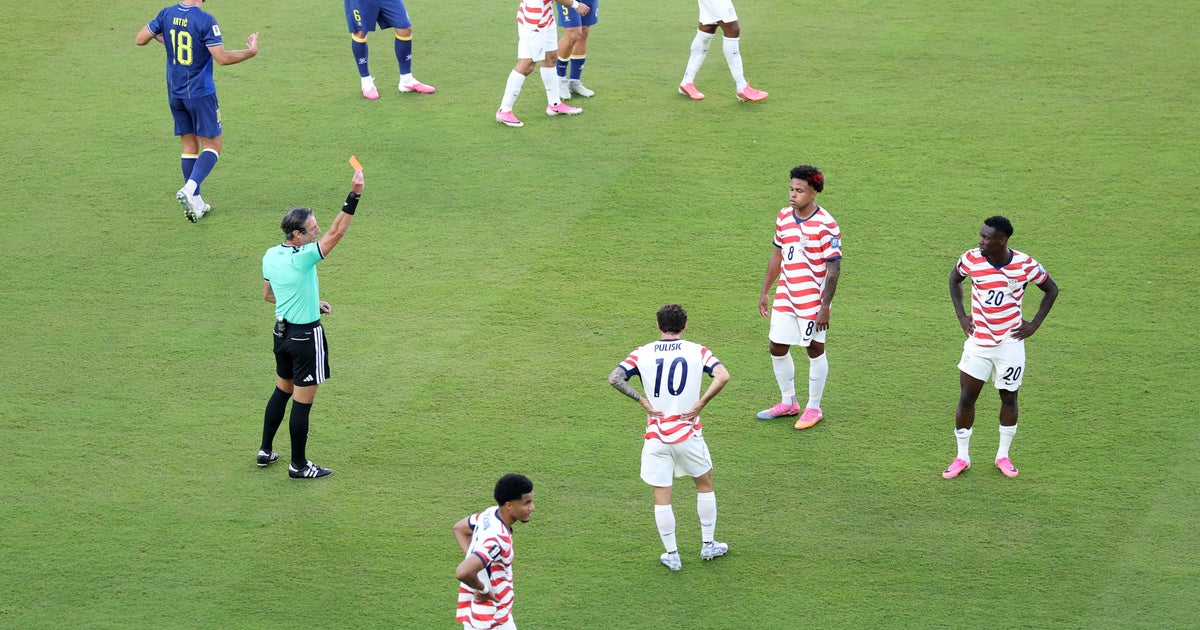
FIFA has faced criticism from European soccer governing bodies and sports commentators after the organization lifted a red card suspension for U.S. international Folarin Balogun, allowing him to play in a match against Belgium. The decision follows reports of a phone call between the soccer star’s camp and former U.S. President Donald Trump, raising questions about political influence on sporting regulations.
The controversy centers on the sudden reversal of a disciplinary sanction that would have sidelined Balogun. According to reports from European soccer observers, the decision to vacate the suspension deviates from standard FIFA disciplinary protocols, which typically require a formal appeals process through the Football Tribunal or the Court of Arbitration for Sport (CAS).
The timing of the reversal, coinciding with high-level political communication, has led to accusations that the governing body is susceptible to external pressure. While FIFA has not issued a formal detailed justification for the specific reversal in this instance, the move has sparked a debate over the integrity of the “Laws of the Game” and the consistency of player suspensions across different nationalities.
Why is FIFA facing backlash over Folarin Balogun’s suspension?
The backlash stems from the perception that the rules of the game were bypassed for a high-profile American athlete. Under standard FIFA regulations, a red card resulting in a suspension is mandatory unless the referee’s decision is overturned due to a “mistake of fact” via a formal review. Critics argue that the lifting of Balogun’s suspension without a clear, transparent sporting justification undermines the authority of officials on the pitch.

Prominent commentators have pointed to the disparity in how suspensions are handled for players from smaller footballing nations compared to stars from commercially powerful markets like the United States. The intersection of politics and sport is a sensitive point for UEFA and other European bodies, who maintain that sporting sanctions must remain independent of government or political intervention to ensure fair play.
What role did the Trump phone call play in the decision?
Reports indicate that a phone call involving Donald Trump occurred shortly before the suspension was lifted. While the exact contents of the conversation have not been released in an official transcript, the proximity of the call to the decision has led to widespread speculation that political leverage was applied to FIFA leadership.

This allegation is particularly sensitive given FIFA’s history with political controversies and its stated commitment to neutrality. The suggestion that a head of state or former head of state could influence a disciplinary ruling for a single player is viewed by critics as a breach of the organization’s internal governance standards. Those criticizing the move argue that if political influence can waive a red card, the predictability of the sport’s regulatory framework is compromised.
How does this affect the match against Belgium?
The immediate impact of the ruling is the eligibility of Folarin Balogun to feature in the lineup against Belgium. Balogun, a key offensive asset for the U.S. national team, provides a significant tactical advantage that would have been absent had the suspension remained in place.
The Belgian federation and other European observers have viewed the availability of Balogun not as a sporting victory, but as a result of administrative irregularity. This creates a tension where the outcome of the match may be viewed through the lens of the controversy rather than the athletic performance of the players.
What are the broader implications for FIFA’s governance?
The incident highlights a recurring tension within FIFA regarding the balance between its commercial interests and its regulatory duties. When a star player from a major market is granted leniency that other players do not receive, it creates a “two-tier” system of justice within the sport.

For the International Federation of Football Associations, the risk is a loss of credibility with member associations who rely on the uniform application of rules. If the precedent is set that political intervention can override technical suspensions, it may encourage other nations to seek political rather than legal remedies for disciplinary issues.
The situation also places pressure on the U.S. Soccer Federation to clarify its role in the matter. While the federation manages the players, the disciplinary rulings are the purview of FIFA. Any perceived coordination between political figures and the federation to influence a global governing body could lead to further scrutiny from international ethics committees.
The next confirmed development will be the official match report and team sheet for the encounter with Belgium, which will confirm Balogun’s participation. Further updates regarding any formal appeals or statements from the European soccer governing bodies are expected following the conclusion of the international window.
Do you believe political influence should have a place in sporting decisions? Share your thoughts in the comments below and share this story on social media to join the conversation.