
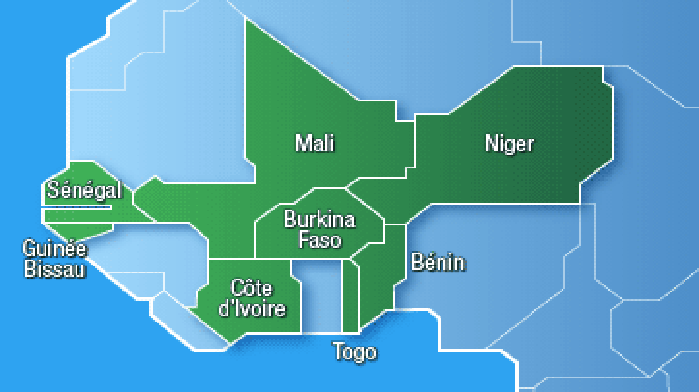
Dakar hosted the 7th meeting of the West African Economic and Monetary Union (UEMOA) High-Level Committee on Peace and Security to coordinate regional responses to escalating instability and terrorism in the Sahel. The gathering focused on strengthening the security architecture of the union amid significant geopolitical shifts, including the announced departure of several member states from regional blocs.
The meeting convened in the Senegalese capital to address the security vulnerabilities affecting the West African Economic and Monetary Union (UEMOA), which comprises Benin, Burkina Faso, Côte d’Ivoire, Guinea-Bissau, Mali, Niger, and Senegal. According to official proceedings, the committee focused on harmonizing intelligence sharing and military cooperation to curb the spread of violent extremist organizations across borders.
This session occurs during a period of intense friction between UEMOA and the Alliance of Sahel States (AES)—a mutual defense pact formed by Mali, Burkina Faso, and Niger. The tensions have intensified since these three nations announced their withdrawal from the Economic Community of West African States (ECOWAS), creating a precarious security vacuum in the heart of West Africa.
What were the primary objectives of the Dakar meeting?
The 7th High-Level Committee meeting sought to evaluate the effectiveness of current peace and security strategies and propose new mechanisms for crisis prevention. According to UEMOA institutional frameworks, the committee is tasked with providing the Council of Ministers with strategic guidance on security threats that could undermine the union’s economic integration goals.

Delegates focused on the “spillover effect” of Sahelian instability into coastal West African states. Security analysts have noted an increase in militant incursions into northern Benin, Togo, and Côte d’Ivoire, making the synchronization of border security a priority for the Dakar talks. The committee aimed to establish a more cohesive framework for rapid response and joint intelligence gathering to protect critical infrastructure and civilian populations.
The discussions also addressed the socio-economic drivers of insecurity. The committee noted that poverty, lack of governance, and limited state presence in rural areas provide fertile ground for recruitment by armed groups. Consequently, the meeting emphasized the need to link security operations with development projects to ensure long-term stability.
How does the AES withdrawal affect regional security?
The emergence of the Alliance of Sahel States (AES) has fundamentally altered the security landscape for UEMOA. Mali, Burkina Faso, and Niger have shifted their security partnerships away from traditional Western allies—most notably France—toward new partners, including Russia. This shift complicates the collective security efforts of UEMOA, as the union relies on a degree of consensus and shared intelligence to combat regional threats.

The withdrawal of these states from ECOWAS, and their ambiguous status regarding the future of their UEMOA membership, creates a legal and operational rift. According to reports from the Reuters news agency, the fragmentation of regional blocs hinders the ability to conduct cross-border military operations, which are essential for pursuing mobile insurgent groups that ignore national boundaries.
Furthermore, the AES countries have prioritized sovereign military control over multilateral regional frameworks. This divergence in strategy means that UEMOA must now navigate a fragmented security environment where some members operate under a collective union mandate while others operate under a separate, narrower alliance. This split risks creating “blind spots” in regional surveillance and intelligence sharing.
What are the immediate threats facing UEMOA member states?
The primary threat remains the activity of affiliates of Al-Qaeda and the Islamic State (ISIS) in the Greater Sahara. These groups have utilized the instability following military coups in Mali, Burkina Faso, and Niger to expand their territorial influence. The committee in Dakar identified the “triple frontier” region—where Mali, Niger, and Burkina Faso meet—as a critical epicenter of violence.
Beyond terrorism, the committee addressed the threat of political instability. The prevalence of military takeovers in the region has challenged the democratic norms and legal frameworks that UEMOA seeks to uphold. The committee discussed the impact of these coups on the rule of law and the ability of member states to honor international security agreements.
Additionally, the committee highlighted the growing threat of illicit trafficking. The Sahel remains a major corridor for the smuggling of arms, drugs, and humans. According to the United Nations Office on Drugs and Crime (UNODC), these criminal networks often fund insurgent groups, creating a symbiotic relationship between organized crime and terrorism that complicates military-only solutions.
How is UEMOA adapting its security architecture?
To counter these evolving threats, UEMOA is attempting to move toward a more proactive “preventative diplomacy” model. This involves increasing investments in early warning systems that can detect signs of instability—such as sudden increases in communal violence or political unrest—before they escalate into full-scale conflicts.

The committee is also exploring deeper collaborations with other international partners to fill the gaps left by departing forces. While the AES countries have distanced themselves from European military cooperation, other UEMOA members, such as Côte d’Ivoire and Senegal, continue to maintain strategic partnerships with global powers to secure their borders.
A key component of the new strategy involves “community-based security.” By engaging local leaders and traditional authorities in the Sahel and coastal regions, UEMOA aims to build resilience against extremist ideologies. This approach recognizes that military force alone cannot eliminate the root causes of the insurgency.
The committee’s efforts are further complicated by the economic pressures facing the union. Financing large-scale security operations requires significant capital, which often competes with funding for health, education, and infrastructure. The Dakar meeting emphasized the need for a sustainable funding model for peace and security operations that does not rely solely on external donors.
The next confirmed checkpoint for the union will be the subsequent meeting of the Council of Ministers, where the recommendations from the 7th High-Level Committee on Peace and Security will be reviewed for formal adoption into UEMOA policy. Following this, member states are expected to provide progress reports on the implementation of the agreed-upon border security measures.
Share your thoughts on the regional security shifts in West Africa in the comments below, or share this report to keep others informed on the evolving Sahel crisis.