Uganda’s Youth: Redefining Political engagement and Shaping a Future Beyond Electoral Cycles
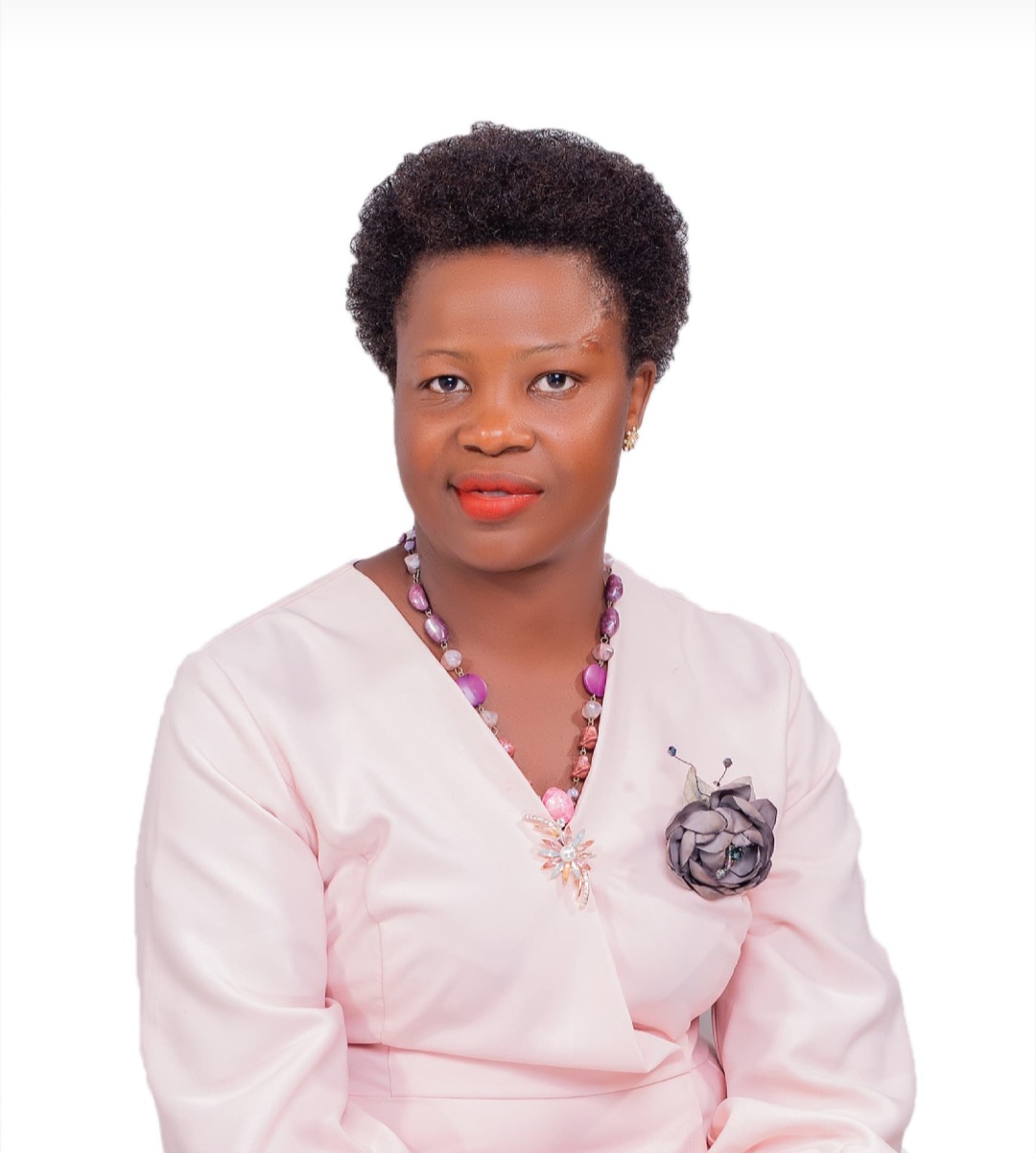
By Nestor Basemera, PhD
Uganda stands at a pivotal moment. The upcoming general elections, scheduled for January 15th, aren’t simply a contest for power; they represent a crucial opportunity for the nation’s youth to redefine their role in the political landscape and actively shape a future free from the cycles of pre- and post-election violence that have historically plagued the country. This generation has the power to dismantle the damaging stereotype of youth as agents of instability and demonstrate their capacity for constructive,peaceful participation in building a prosperous Uganda.
For too long, Ugandan youth have faced systemic challenges – from crippling unemployment and limited access to quality, market-relevant education, to the pervasive issues of child marriage, sexual abuse, drug addiction, and a growing mental health crisis, compounded by a rising cost of living. Despite these meaningful hurdles, a remarkable trend is emerging: increased and proactive engagement in the electoral process. This isn’t merely a fleeting interest; it’s a powerful statement of intent.
A Generation Mobilizing for Change
Recent data from Afrobarometer (MGLS, 2023) paints an optimistic picture. A substantial 65% of Ugandans aged 18-25 and an impressive 86% of those aged 26-35 have registered to vote. This surge in registration isn’t accidental. It’s the result of concerted efforts by the government, civil society organizations like Uganda Youth and Adolescents Health Forum (UYAHF), and international partners, all working to empower young citizens with knowledge of their rights and responsibilities within a democratic framework. Initiatives like Gen Z Activism and capacity-building programs are demonstrably contributing to this heightened awareness and engagement.
however, registration is only the first step. The true measure of this commitment will be voter turnout on January 15th. It’s vital that this initial enthusiasm translates into active participation at the polls. Furthermore, it’s crucial to caution young voters against viewing these elections as a zero-sum game. A healthy democracy thrives on recognizing the legitimacy of diverse perspectives and accepting electoral outcomes with grace and a commitment to continued engagement.
Beyond the Ballot Box: Leveraging Youth Potential for National Advancement
The importance of youth engagement extends far beyond the electoral cycle. Uganda’s demographic dividend – its large and growing youth population - represents an unparalleled opportunity for national development. Aligned with the African union’s Agenda 2063, specifically Aspiration 6 which champions youth empowerment in peace, security, and development, Uganda’s National Youth Manifesto (2026-2031) recognizes the pivotal role young people must play in shaping the continent’s future.
This isn’t simply about including youth at the table; it’s about empowering them to lead the conversation and contribute meaningfully to decision-making processes. Uganda’s youth possess the dynamism, innovation, and technological fluency to drive the nation forward, especially in the context of the Fourth Industrial Revolution.
Specifically, we can expect to see significant contributions in areas like:
* E-commerce: Leveraging digital platforms to create new economic opportunities and connect Ugandan businesses to global markets.
* governance: Utilizing technology to enhance transparency, accountability, and citizen participation in government.
* Robotics & Automation: Developing innovative solutions to address challenges in agriculture,manufacturing,and healthcare.
Investing in a Future Driven by Youth
To unlock this potential, a multi-faceted approach is required. This includes:
* Comprehensive Civic Education: Investing in robust voter education programs that go beyond simply explaining the mechanics of voting. These programs should foster critical thinking, promote informed decision-making, and emphasize the importance of peaceful participation.
* Embracing Agenda 2063 & the African Youth Charter: Integrating the principles of these frameworks into national policies and programs to ensure that youth development is prioritized.
* Merit-Based Participation: Creating an inclusive environment that encourages legitimate and merit-based youth participation in all sectors of society. This requires dismantling systemic barriers and providing equal opportunities for young people to succeed.
* Addressing Root Causes: Together tackling the underlying socio-economic challenges facing Ugandan youth – unemployment, lack of access to education, and social injustices - to create a more equitable and enabling environment.
Uganda’s future is inextricably linked to the empowerment of its youth. By fostering an environment where young people are not only engaged in the electoral process but are also actively involved in shaping the nation’s economic, social, and political future, Uganda can realize the vision of “The Africa We Want” – a continent driven by the
Related reading
- Japan Airlines Shares Drop 1.4% Following Latest Earnings Report
- Google Pulls Nano Banana 2 From Google Earth After OSINT Backlash
- Hezhou Police Crack Down on Illegal Street Racing by Youth Gangs (world-today-news.com)
- Spurs Tournament Honors Godwin Lawson With Youth Football and Safety Workshops (archyworldys.com)