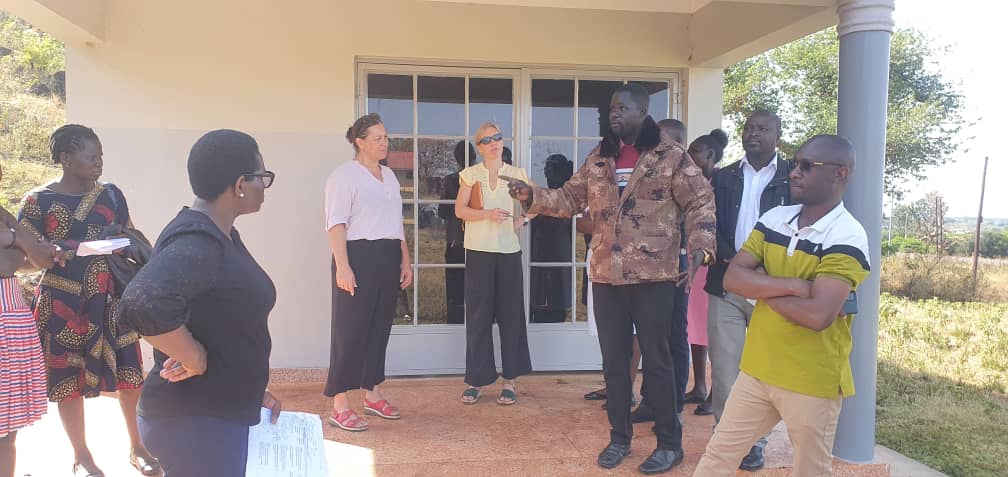
Nakapiripirit, Uganda – A recent monitoring visit to Namalu Health Centre IV in Uganda’s Karamoja sub-region has highlighted collaborative efforts to improve healthcare access and accountability within the district. On February 19, 2026, officials from the Royal Danish Embassy (RDE), the Karamoja Anti-Corruption Coalition (KACC), and the Nakapiripirit District Local Government conducted the assessment, focusing on service delivery and infrastructure improvements at the vital health facility. The visit underscores a growing international commitment to strengthening governance and public services in a region historically facing significant developmental challenges.
The monitoring exercise comes as part of the broader “Partnerships on Accountability, Civic Engagement, and Rights (PACER)” programme, co-funded by the embassies of Denmark, Ireland, Sweden, and the Netherlands. This initiative aims to empower local organizations and communities to demand greater transparency and responsiveness from public institutions. The Karamoja sub-region, characterized by its semi-arid climate and pastoralist communities, has long struggled with limited access to essential services, including healthcare, education, and clean water. Addressing these systemic issues requires a multi-faceted approach, combining financial support with robust monitoring and accountability mechanisms.
Luke Lobunei, the Assistant Resident District Commissioner of Nakapiripirit, publicly commended the Royal Danish Embassy, alongside the embassies of Ireland, Sweden, and the Netherlands, for their support of KACC’s operate. His praise specifically acknowledged the coalition’s efforts in monitoring service delivery and promoting accountability within the district. This endorsement signals a growing recognition of the importance of civil society organizations in holding local governments accountable and ensuring that public resources are used effectively. The involvement of the RDE delegation, comprised of Kirstine Primdal Sutton (Team Leader for Accountability, Citizen Engagement, and Rights), Gladys Nairuba (Programme Officer), and Christina Hedegård Hyttel (Chief Finance Officer), demonstrates a high-level commitment to the PACER programme’s objectives.
Infrastructure Improvements at Namalu Health Centre IV
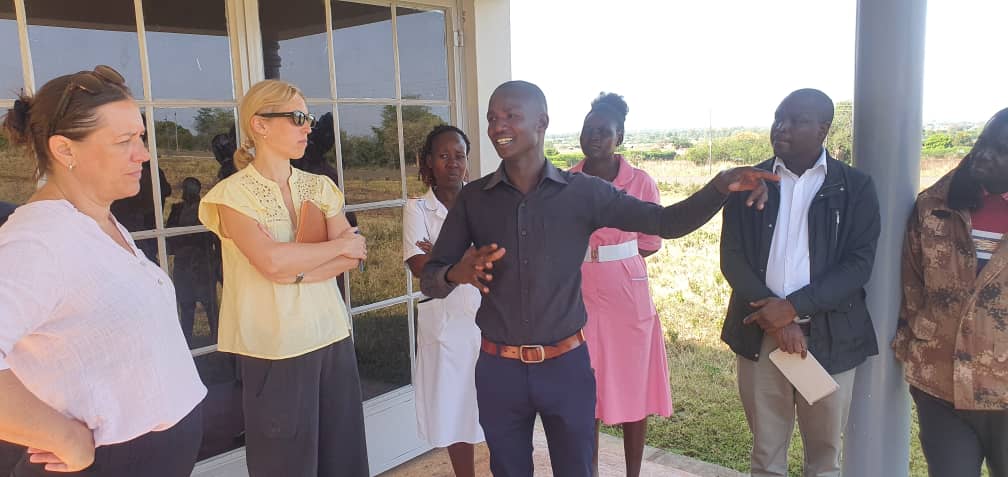
Namalu Health Centre IV, serving a substantial population in Namalu Sub-county, had previously faced significant infrastructure deficits. Mery Teddy, the In-Charge of the facility, noted that these challenges hindered the center’s ability to provide adequate healthcare services. However, recent investments by the Nakapiripirit District Local Government have begun to address these shortcomings. The construction of a doctors’ house, an operating theatre, and a mortuary represent crucial steps towards improving the health centre’s functionality and capacity. These developments are expected to significantly enhance the quality of care available to the local population and improve the overall health outcomes in the region.
The Role of KACC and ACCU in Promoting Accountability
The Karamoja Anti-Corruption Coalition (KACC) plays a pivotal role in monitoring service delivery and advocating for greater transparency in the region. According to Dr. Ayub Mukisa, the Executive Director of KACC, the organization works closely with the Ministry of Health and the Nakapiripirit District Local Government to strengthen healthcare facilities and ensure that resources are allocated effectively. KACC’s work is supported by funding from the embassies of Denmark, Ireland, Sweden, and the Netherlands, channeled through the PACER programme and in partnership with the Anti-Corruption Coalition Uganda (ACCU). ACCU implements the CEAP project in Karamoja and West Nile sub-regions, including Nakapiripirit district.
The PACER programme, launched in May 2024, represents a significant investment in civic engagement and accountability across the Karamoja sub-region. As reported by the Human Rights Network for Journalists-Uganda, the initiative will provide grants to over 20 civil society organizations working to improve service delivery in areas such as healthcare, education, and governance. The programme’s focus on citizen participation reflects a broader recognition that sustainable development requires the active involvement of local communities in shaping their own futures.
Community Concerns and Rehabilitation Efforts
Ronnie Lorika, the Sub-county Chief of Namalu, expressed gratitude to KACC for addressing community concerns and following up on issues raised by residents. He also highlighted the rehabilitation and maintenance of other critical infrastructure, including roads, within the sub-county. This demonstrates a commitment from local authorities to respond to the needs of the population and improve the overall quality of life. The collaborative approach between civil society organizations, local government officials, and international donors is proving to be a powerful catalyst for positive change in the Karamoja region.
The ongoing efforts to strengthen healthcare infrastructure and promote accountability in Nakapiripirit District are part of a larger trend across Uganda. The country has been grappling with issues of corruption and weak governance for years, but a growing number of initiatives are aimed at addressing these challenges. The PACER programme, with its emphasis on citizen engagement and transparency, offers a promising model for promoting sustainable development and improving the lives of ordinary Ugandans. The success of this initiative will depend on continued collaboration between all stakeholders and a sustained commitment to solid governance.
Looking ahead, the focus will remain on ensuring that the improvements made at Namalu Health Centre IV are sustained and replicated in other facilities across the Karamoja sub-region. Further monitoring visits are planned to assess the impact of the PACER programme and identify any remaining challenges. The Ministry of Health is expected to provide regular updates on the progress of healthcare infrastructure development in the region. Readers interested in learning more about the PACER programme can follow updates from the Royal Danish Embassy and partner organizations.
What are your thoughts on the importance of international aid in strengthening healthcare systems in developing countries? Share your comments below and let us know what you think.
Worth a look