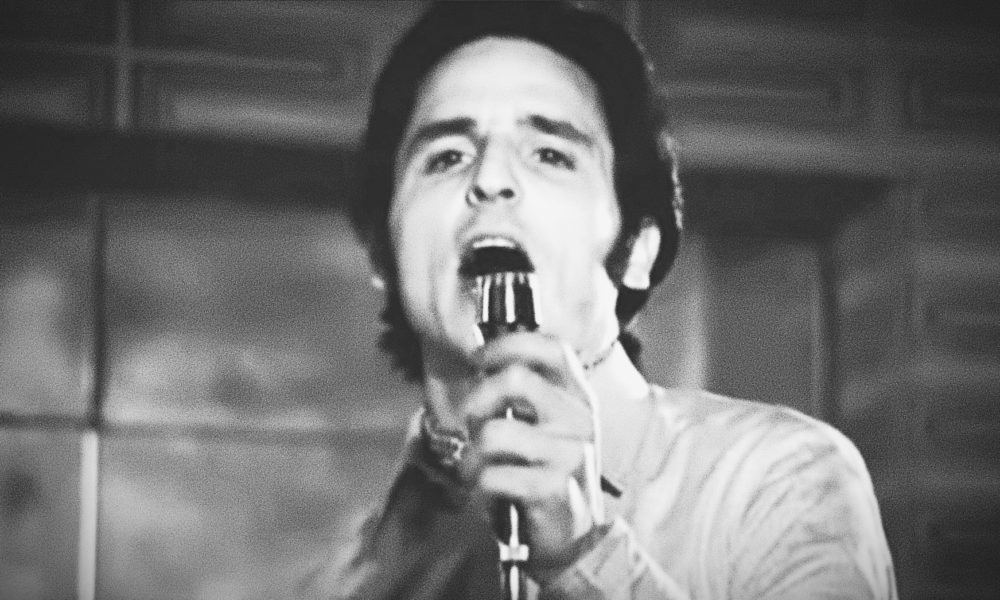
The music world occasionally rediscovers artists whose impact resonated deeply in their time but faded from mainstream memory. Guido Lamberti, known professionally as Ugolino, is one such figure. A satirical singer-songwriter active primarily in the 1960s and 70s, Ugolino used a raspy voice and sharply ironic lyrics to dissect the absurdities of modern life, a theme that continues to resonate today. While perhaps not a household name now, his function offered a prescient critique of consumerism, conformity, and the dehumanizing aspects of progress.
Born in Rome in 1945, Lamberti initially pursued a career in architecture before turning to music. He adopted the stage name “Ugolino,” a nod to the tragic character from Dante’s Inferno, suggesting a similar sense of suffering and critique within his own work. Ugolino’s style was eclectic, blending folk, rock, and even elements of science fiction into his songs. He wasn’t interested in creating anthems or providing easy answers; instead, he presented a wry, often unsettling, reflection of societal norms. His lyrics, often described as “nonsense,” weren’t simply random but rather a deliberate attempt to expose the inherent absurdity he saw in everyday life.
A Voice Against the Grain
Ugolino’s music emerged during a period of significant social and political upheaval. The post-war economic boom in Italy, while bringing prosperity to some, also fueled a growing sense of alienation and conformity. He tapped into this undercurrent of discontent, offering a satirical commentary on the burgeoning consumer culture and the pressures of modern life. His songs weren’t overtly political in the traditional sense, but they challenged the prevailing values of the time, questioning the relentless pursuit of material wealth and the erosion of individuality. He observed, with a detached irony, how people willingly embraced the roles of cogs in a machine, driven by production, work, and accumulation in an increasingly artificial and polluted world.
One of Ugolino’s key themes was the critique of the “false myth of progress.” He questioned the notion that technological advancement automatically equated to human betterment. His songs often depicted a dystopian future where humanity had become enslaved by its own creations, losing its connection to nature and its own humanity. This perspective, while perhaps ahead of its time, feels increasingly relevant in the 21st century as we grapple with the environmental consequences of unchecked industrialization and the ethical dilemmas posed by artificial intelligence. He wasn’t simply anti-technology; he was critical of the uncritical acceptance of technology without considering its potential downsides.
Musical Style and Influences
Ugolino’s musical style was as unconventional as his lyrics. He resisted easy categorization, drawing inspiration from a wide range of sources. His early work was heavily influenced by the Italian folk tradition, but he quickly began to experiment with rock and roll, incorporating elements of psychedelia and avant-garde music. He often used unusual instrumentation and vocal techniques, creating a sound that was both unsettling and captivating. He wasn’t interested in creating polished, radio-friendly hits; he prioritized artistic expression over commercial appeal.
His songs often took the form of folk tales, rock ballads, and even science fiction fables, allowing him to explore complex themes in a playful and indirect manner. He frequently employed irony and sarcasm, using humor as a weapon to expose the hypocrisy and absurdity of the world around him. His vocal delivery, characterized by a gravelly tone and a sardonic wit, further enhanced the impact of his lyrics. He wasn’t a conventionally “beautiful” singer, but his voice was perfectly suited to his cynical and subversive worldview.
A Brief But Impactful Career
Ugolino released several albums between 1968 and 1978, but his career was relatively short-lived. Despite gaining a devoted following among intellectuals and counterculture enthusiasts, he never achieved mainstream success. His music was often considered too challenging and unconventional for mainstream radio, and his satirical lyrics offended some conservative audiences. He released albums such as Ugolino (1969) and contributed to the soundtrack of the film I due magnifici fresconi (1968), as seen in an image circulating online.
Despite his lack of commercial success, Ugolino’s music continues to be appreciated by a compact but dedicated group of fans. His songs have been rediscovered in recent years, thanks to the internet and the growing interest in obscure and forgotten artists. His work remains relevant today because his critique of consumerism, conformity, and the dehumanizing effects of technology is as pertinent now as it was in the 1960s and 70s. He offered a unique and insightful perspective on the human condition, challenging listeners to question the values and assumptions of modern society.
Rediscovering Ugolino in the Digital Age
The resurgence of interest in Ugolino is largely due to online music communities and streaming platforms. While his discography isn’t widely available on major streaming services, dedicated fans have uploaded his music to platforms like YouTube and archive.org, making it accessible to a latest generation of listeners. This digital rediscovery has sparked a renewed appreciation for his unique artistic vision and his prescient critique of modern life. The accessibility of his music online has allowed his message to reach a wider audience, demonstrating the enduring power of his satirical observations.
music blogs and online publications dedicated to obscure and forgotten artists have begun to feature Ugolino, introducing his work to a broader audience. These articles and reviews often highlight the relevance of his music in the context of contemporary social and political issues. The internet has effectively become a platform for preserving and promoting the legacy of artists like Ugolino, ensuring that their work continues to inspire and challenge listeners for years to come.
Legacy and Influence
While Ugolino didn’t directly influence a generation of mainstream artists, his work has resonated with a number of independent musicians and songwriters who share his satirical and subversive sensibility. His willingness to challenge conventional norms and his refusal to compromise his artistic vision have served as an inspiration to those who seek to create music that is both thought-provoking and entertaining. His influence can be seen in the work of artists who use humor and irony to critique social and political issues, and who resist the pressures of commercialization.
Ugolino’s legacy lies in his ability to capture the anxieties and contradictions of modern life in a way that is both insightful and entertaining. He wasn’t a prophet or a revolutionary, but he was a keen observer of human behavior, and his songs offer a timeless commentary on the absurdities of the human condition. His music reminds us that it’s okay to question the status quo, to challenge conventional wisdom, and to laugh in the face of adversity. His work serves as a reminder that art can be a powerful tool for social commentary and that even the most cynical observations can be infused with a sense of hope and humanity.
As we navigate an increasingly complex and uncertain world, Ugolino’s music offers a valuable perspective. His satirical insights into consumerism, conformity, and the dehumanizing effects of technology remain remarkably relevant today. His work encourages us to think critically about the world around us and to resist the pressures of conformity. Ugolino’s legacy is a testament to the enduring power of art to challenge, provoke, and inspire.
Further research into Ugolino’s discography and life is ongoing, with fans and music historians continuing to unearth new information about this enigmatic artist. The continued exploration of his work promises to reveal even more about his unique artistic vision and his lasting impact on Italian music and culture. The next step in preserving his legacy will likely involve a more comprehensive collection of his recordings and a detailed biography that explores his life and work in greater depth.
What are your thoughts on Ugolino’s music? Share your comments below and let us recognize if you’ve discovered this artist recently. Don’t forget to share this article with your friends and fellow music lovers!
Related reading