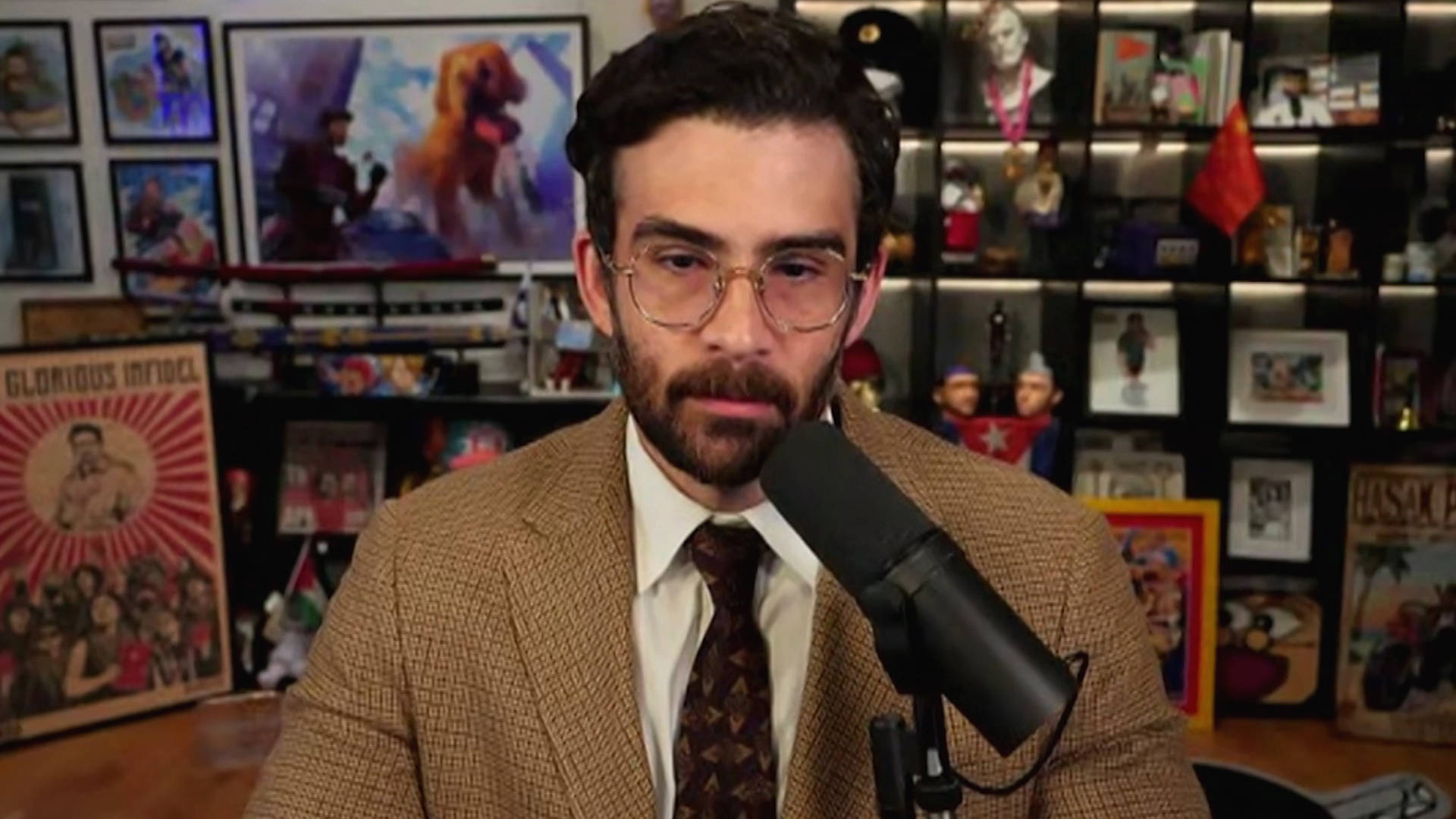
The British government has confirmed that it denied entry to prominent American political commentators Hasan Piker and Cenk Uygur, citing concerns that their presence in the United Kingdom “may not be conducive to the public quality.” The decision, which emerged earlier this week, effectively blocked both men from participating in scheduled appearances at the SXSW London festival. The Home Office has declined to provide further elaboration on the specific grounds for the exclusion, leaving the move to spark significant debate regarding the boundaries of free speech and border control policies in the United Kingdom.
Hasan Piker, a widely recognized Twitch streamer and political commentator, and his uncle, Cenk Uygur, are both known for their vocal critiques of the Israeli government. While the British government did not officially link the travel ban to their political stances, the incident has drawn scrutiny from civil liberties advocates who suggest the denial may be tied to their public commentary. The development follows a period of heightened political tension, with both commentators frequently addressing international conflicts and domestic U.S. Policy on their respective platforms.
The U.K. Entry Denial and Public Reaction
The decision to bar the two commentators has prompted a sharp response from those affected. In comments shared with media outlets, Piker characterized the British government’s move as “objectionable,” “disgusting,” and “terrifying.” He suggested that the action serves as a broader indicator of a shift toward what he described as a “fascist” direction within Western political systems. The exclusion of such high-profile figures from a major cultural event like SXSW London underscores the increasing friction between state-level security policies and the global reach of digital political discourse.
The legal and ethical implications of the ban are currently being examined by legal experts and political analysts. Joelle Grogan, a legal academic and host of the BBC’s The Law Show, has been among those discussing the implications of the government’s “public good” threshold for entry. The debate highlights a recurring challenge for the U.K. Home Office: balancing the exercise of broad discretionary powers regarding border security with the principles of open debate and international cultural exchange.
Federal Scrutiny and International Travel
Beyond the U.K. Travel ban, Piker has recently addressed reports concerning a U.S. Federal investigation into his activities. According to reports, Piker is subject to an inquiry by the Treasury Department’s Office of Foreign Assets Control (OFAC) regarding a trip to Cuba conducted in March. The investigation centers on whether his visit to the Caribbean nation violated U.S. Laws and sanctions, specifically the Cuban Assets Control Regulations (CACR), which place strict limits on economic and travel-related dealings by U.S. Citizens.
Piker addressed the reports of the subpoena during a livestream, describing the situation as “not great” while noting that he had been notified of the federal action. The situation remains a developing legal matter, as federal authorities have not provided public details on the status of the investigation or specific charges. The legal context surrounding travel to Cuba remains complex for U.S. Citizens, with regulations subject to periodic updates and strict enforcement by the Treasury Department.
Political Activism and Midterm Objectives
In addition to his media work, Piker has been actively involved in supporting political candidates who align with his progressive and antiwar platform. His focus remains fixed on the current midterm election cycle, where he has advocated for candidates he believes are necessary to counter what he terms the rise of “fascism” in the United States. His commentary often links his international travel and humanitarian efforts with his domestic political advocacy, framing his work as a cohesive effort to challenge existing power structures.
The intersection of his online influence and his real-world political activism continues to draw both significant support and intense criticism. As the midterm elections approach, Piker’s role as a major voice for the American Left remains a point of focus for those tracking the influence of digital creators on traditional political processes. His ability to mobilize viewers around specific policy goals has made him a central, if polarizing, figure in contemporary political media.
Understanding the Legal Context
For those interested in the regulatory framework governing U.K. Entry, the Home Office maintains the authority to refuse admission to individuals whose presence is deemed detrimental to the public good. This power is exercised under the Immigration Act 1971 and subsequent amendments, which grant the Secretary of State broad discretion in matters of national security and public order. Official guidance and updates regarding U.K. Border policies can be found through the official Home Office website.

Similarly, inquiries regarding U.S. Sanctions and travel regulations are governed by the Treasury Department. Detailed information on the current status of the Cuban Assets Control Regulations (CACR) is available via the U.S. Department of the Treasury. These resources provide the official baseline for understanding the legal hurdles that figures like Piker face when navigating international policy as public-facing commentators.
As of June 5, 2026, there have been no further official statements from the U.K. Home Office regarding the specific evidence used to justify the entry denials. Similarly, the federal investigation into the Cuba trip remains an ongoing matter with no further public updates from the Treasury Department. We will continue to monitor these developments as they unfold. We encourage readers to share their thoughts and perspectives on these issues in the comments section below.