The United Kingdom’s Competition and Markets Authority (CMA) has intensified its oversight of Google’s search engine operations, mandating greater transparency regarding how the company ranks and displays search results. This regulatory move, part of a broader effort to ensure fair competition in digital markets, specifically targets the mechanisms that influence how businesses and consumers interact through the search giant’s platform, according to official documentation released by the CMA.
As the digital economy grows, regulators are increasingly focused on the “black box” nature of proprietary search algorithms. By requiring Google to disclose more information about its ranking criteria, the CMA aims to prevent potential self-preferencing behaviors that could disadvantage smaller competitors. This intervention follows a period of heightened scrutiny over the dominance of Big Tech firms in the UK market, as detailed in the Digital Markets, Competition and Consumers Act 2024.
Understanding the CMA’s Regulatory Mandate
The core of the CMA’s directive focuses on “search neutrality” and the clarity of ranking processes. For years, critics have argued that Google’s algorithm may inadvertently or intentionally prioritize its own services—such as Google Shopping or Google Flights—over those of third-party providers. The CMA’s intervention is designed to ensure that businesses operating within the UK have a clear understanding of the factors that determine their visibility in search results, which is a critical driver of traffic and revenue.
According to the CMA’s case registry, the authority has been investigating whether Google’s practices stifle competition by limiting the ability of other firms to compete on merit. By compelling Google to provide more granular detail on its ranking logic, the regulator intends to level the playing field. This is not merely about technical transparency; it is a structural attempt to protect the digital ecosystem from monopolistic distortions.
Impact on Businesses and Consumers
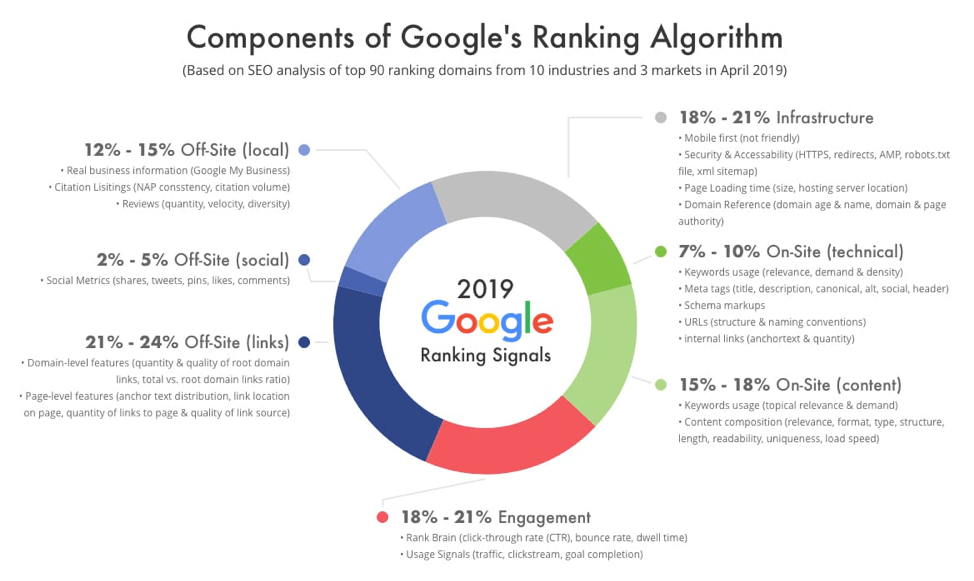
For the average business owner, search engine optimization (SEO) is a primary concern. The current lack of visibility into why certain sites rank higher than others creates uncertainty for digital businesses. If a company knows exactly which signals—such as page load speed, mobile-friendliness, or specific content quality metrics—are being prioritized, it can adjust its strategy accordingly. The CMA’s insistence on transparency is intended to reduce this information asymmetry.

Consumers also stand to benefit from a more transparent search environment. When ranking algorithms are subject to oversight, the search results are theoretically more likely to reflect the most relevant and high-quality information, rather than results influenced by a platform’s internal commercial interests. The CMA’s focus on these outcomes underscores a shift toward prioritizing consumer choice in the digital age, as noted in their official mandate and strategic goals.
The Evolution of Digital Competition Policy
This development in the UK reflects a global trend in tech regulation. Similar to the European Union’s Digital Markets Act (DMA), the UK is moving toward a proactive regulatory framework. Rather than waiting for anti-competitive behavior to cause market failure, the CMA is setting clear rules for how gatekeeper platforms like Google must operate. This approach marks a significant departure from traditional reactive antitrust enforcement.

The regulatory pressure on Google regarding its search algorithms is part of a wider investigation into the company’s advertising technology (AdTech) stack. The CMA has expressed concerns that Google’s dual role as both a participant and an arbiter in the digital advertising market creates an inherent conflict of interest. As the company continues to update its search algorithms—often citing improvements in user experience—the CMA remains vigilant, ensuring that these updates do not inadvertently or intentionally act as barriers to entry for new competitors.
What Happens Next?
Google is currently under obligation to engage with the CMA to align its search operations with these new transparency requirements. While the company has historically defended its algorithmic changes as necessary to protect users from spam and low-quality content, it must now demonstrate that these processes do not result in unfair market advantages. The CMA is expected to monitor these compliance efforts through periodic reviews and data submissions.

The next phase of this process will involve ongoing dialogue between Google’s legal and technical teams and the CMA’s enforcement units. Stakeholders, including affected businesses and industry advocacy groups, are encouraged to keep track of updates via the CMA official case tracking portal. As these regulations solidify, the impact on global SEO practices and search engine competition will become clearer. We invite our readers to share their thoughts on these regulatory shifts in the comments section below.
- I Tried Replacing All My Apps With ChatGPT for a Day: Here’s What Happened
- Ghost Recon Wildlands Gets Next-Gen PS5 & Xbox Series X|S Upgrade and Free Giveaway for 25th Anniversary
- Meredith Kercher’s Family Demands Cancellation of Amanda Knox Comedy Show (news-usa.today)
- Google Pixel Watch 5 Leaks Reveal 64 GB Storage and August Launch (archyworldys.com)