Joint UK-France Strikes Target ISIS in Syria: A Deep Dive into Recent Operations and counter-Terrorism Strategy (January 4, 2026)
the recent coordinated military action between the United Kingdom and france, targeting an underground facility in Syria linked to the Islamic State (ISIS), marks a significant escalation in the ongoing counter-terrorism efforts in the region. This operation, confirmed by the British Ministry of Defense on January 4, 2026, underscores the continued threat posed by ISIS despite its territorial defeat in 2019 and highlights the evolving strategies employed to combat the group’s resurgence. This article provides an in-depth analysis of the strikes, the strategic context, and the implications for regional security, focusing on the critical topic of counter-terrorism operations.
Did You Know? While ISIS lost its territorial caliphate in 2019, UN reports indicate the group maintains an estimated 5,000-7,000 fighters in syria and Iraq, primarily operating in remote areas and leveraging guerilla tactics.
understanding the Recent Strikes: Palmyra and Beyond
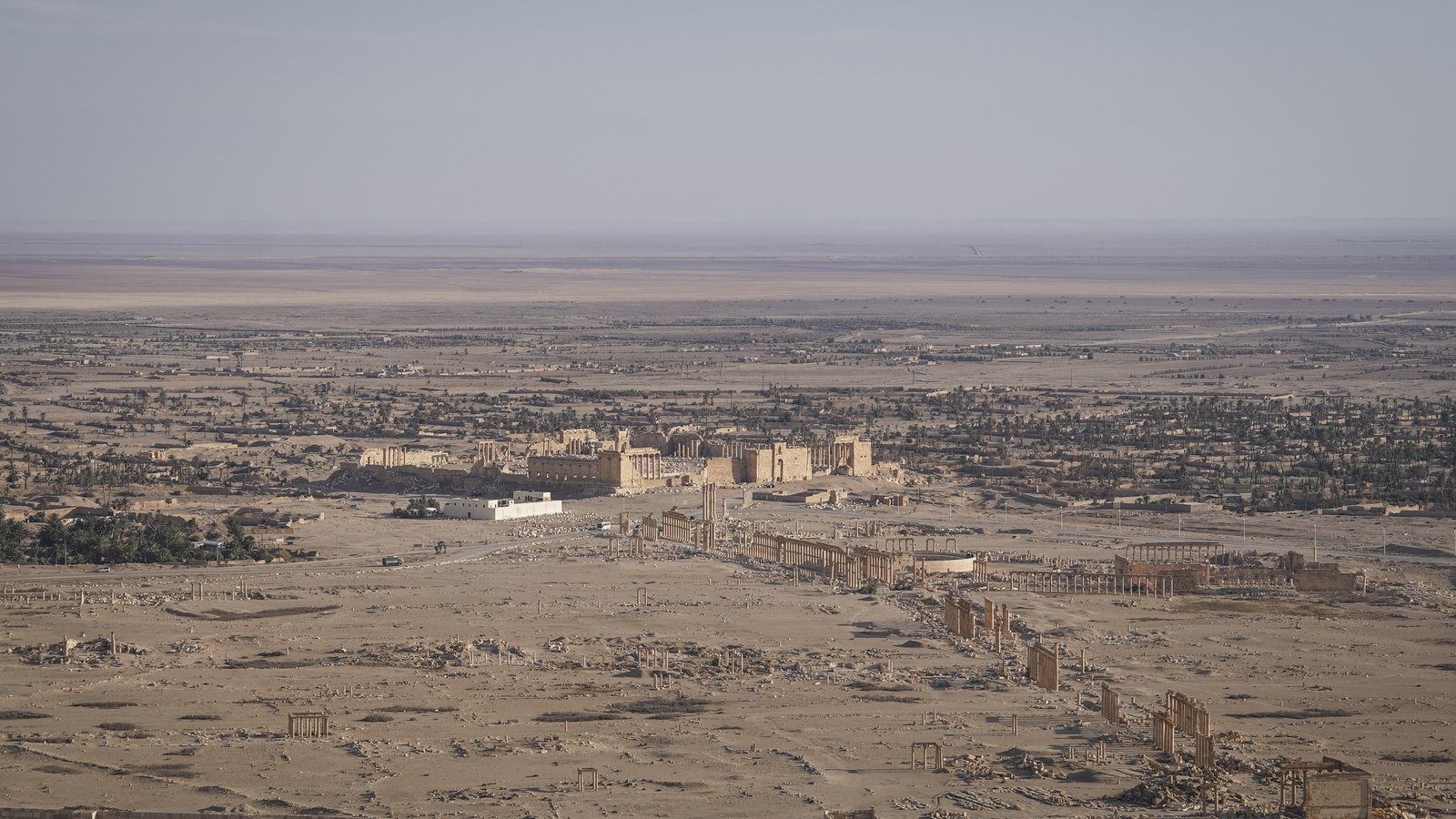
On January 4, 2026, the Royal Air Force (RAF) participated in a joint operation with France, successfully striking an underground facility north of Palmyra, Syria. The British Ministry of Defence stated the facility was “most likely” used by ISIS for weapons and explosives storage. Crucially, the ministry emphasized the absence of civilian habitation in the immediate vicinity, mitigating the risk of collateral damage – a paramount concern in modern military engagements.
this action follows a December 2025 incident where a lone ISIS gunman attacked US personnel in palmyra, resulting in the deaths of two American soldiers and a civilian contractor. The US responded with retaliatory strikes against dozens of ISIS targets in Syria,demonstrating a unified,albeit multi-national,approach to addressing the persistent threat. The choice of Palmyra as a focal point is significant. The ancient city, a UNESCO world Heritage site, was previously under ISIS control, and its proximity to desert regions provides ideal cover for militant activity.
pro Tip: Analyzing the geographic distribution of recent counter-terrorism operations (like those near Palmyra) can reveal patterns in ISIS’s operational strategy, such as a preference for remote, sparsely populated areas for regrouping and staging attacks.
the Evolving ISIS Threat in Syria: From Territory to Insurgency
While ISIS was territorially defeated in Syria in 2019, the group has transitioned into a more decentralized insurgency.This shift presents new challenges for counter-terrorism efforts. Rather of controlling large swathes of land, ISIS now operates through smaller, more agile cells, exploiting ungoverned spaces, particularly within Syria’s vast desert regions.
Recent intelligence suggests ISIS is focusing on:
* Recruitment: Targeting vulnerable populations and leveraging online propaganda.
* Financial Networks: Utilizing illicit activities like oil smuggling, extortion, and kidnapping to fund operations. A recent report by the Financial Action Task force (FATF) in November 2025 highlighted the increasing sophistication of ISIS’s financial networks,utilizing cryptocurrency and Hawala systems to evade detection.
* Attacks on Infrastructure: Targeting oil installations, government facilities, and security forces to destabilize the region.
* Exploiting Regional Instability: capitalizing on ongoing conflicts and political vacuums to expand its influence.
This evolution necessitates a shift in counter-terrorism strategies, moving beyond large-scale military offensives towards more targeted operations, intelligence gathering, and efforts to address the root causes of extremism.
International Cooperation in Counter-Terrorism: A UK-France Outlook
The joint UK-France operation exemplifies the importance of international cooperation in combating terrorism. Both nations have a long history of collaboration in counter-terrorism efforts, sharing intelligence, conducting joint training exercises, and coordinating military operations.
The UK’s involvement stems from its commitment to regional security and its recognition of the threat ISIS poses to its own citizens. france, with its significant interests in the Middle East and its experience combating terrorism within its own borders, brings valuable expertise and resources to the table.
This collaboration isn’t limited to military action. Both countries are actively involved in:
* Counter-Terrorism Financing: Working to disrupt ISIS’s financial networks.
* Counter-Radicalization Programs: Addressing the ideological factors that contribute to extremism.
* Capacity Building: Supporting local security forces in syria