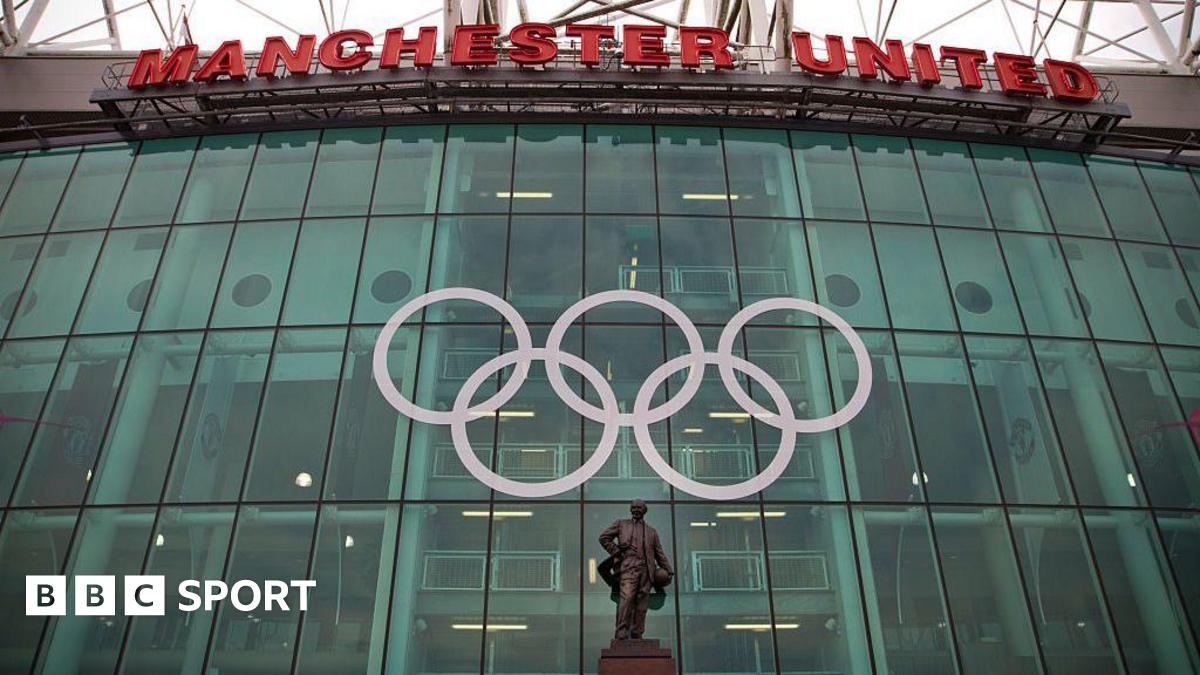
London Mayor Sadiq Khan has entered the debate over the UK’s future Olympic ambitions, warning that excluding the capital from a potential northern England bid for the 2040s Games would be “a missed opportunity.” As the government moves forward with an initial strategic assessment—led by UK Sport—to explore hosting the Olympics and Paralympics outside London for the first time since 2012, Khan’s intervention underscores the city’s enduring influence in global sports and the economic stakes at play.
The announcement comes as Culture Secretary Lisa Nandy frames the northern bid as a chance to “show what we can offer to the world,” directly challenging the long-held assumption that only London’s infrastructure can deliver a successful Games. Yet Khan’s response highlights a key tension: while the north may seek to break new ground, leveraging London’s existing venues—such as the publicly owned Queen Elizabeth Olympic Park and the London Stadium—could amplify both the sustainability and economic impact of a UK-wide event.
With UK Sport now tasked with evaluating feasibility, costs, and socio-economic benefits, the debate over location has intensified. Khan’s stance reflects broader concerns about regional equity, legacy planning, and whether a fragmented bid could dilute the Games’ global appeal. As the assessment unfolds, stakeholders from sports governance to local governments will watch closely to determine whether the north can deliver—or if London’s shadow will loom large over any future UK bid.
Why London’s Role in a Northern Bid Sparks Controversy
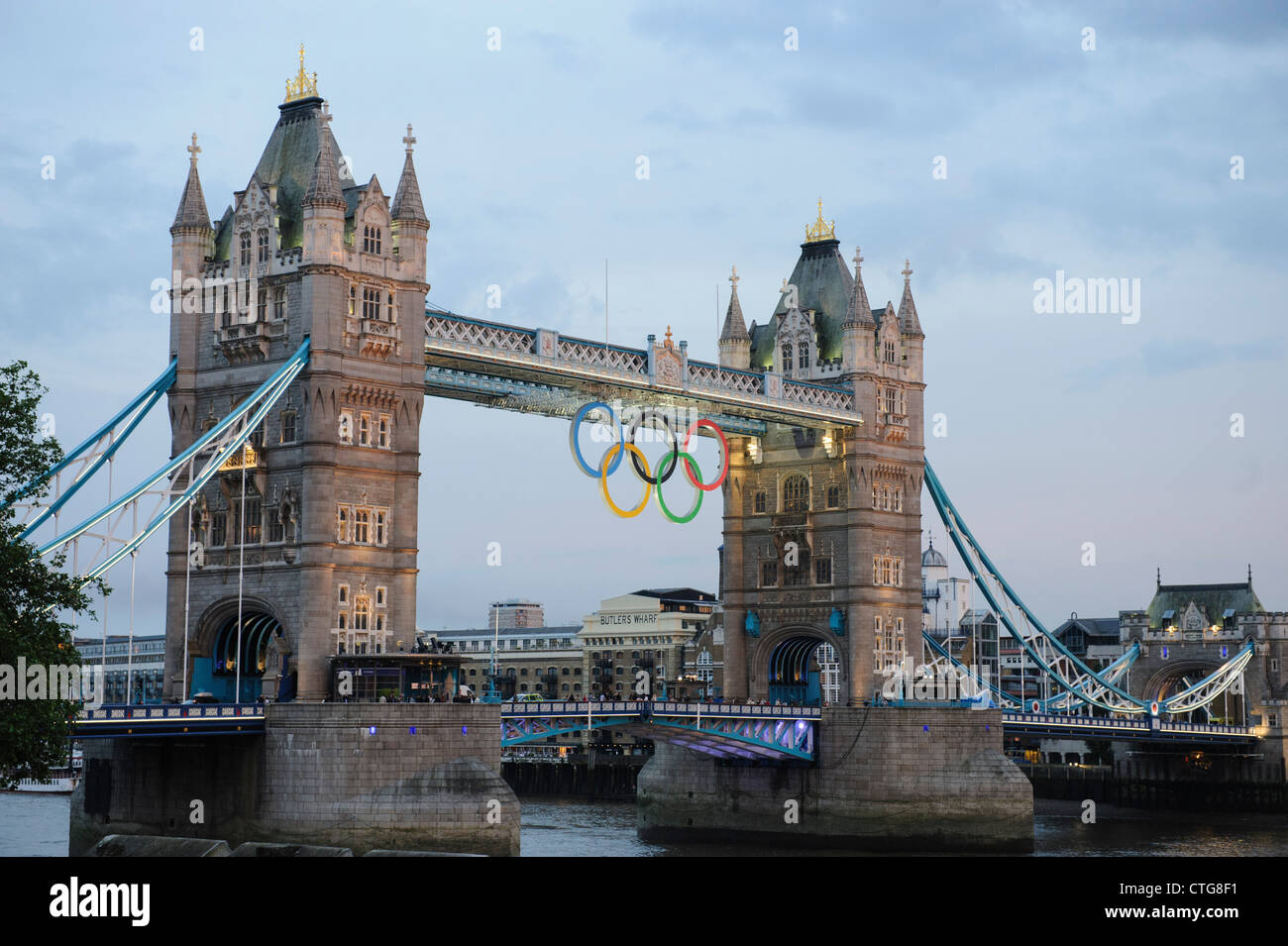
London’s 2012 Olympics left a lasting legacy, from the £9 billion investment in infrastructure to the London Stadium, which remains one of the few venues capable of hosting athletics and other major events. Khan’s spokesperson emphasized that excluding London would mean “failing to unleash the full benefits of a UK-wide games,” arguing that the capital’s assets could make the event both greener and more economically transformative.
“London is the sporting capital of the world,” Khan’s team stated, adding that the city’s publicly owned stadium—still operational and recently upgraded—could serve as a cornerstone for a distributed bid. The suggestion aligns with growing calls for “legacy-led” Olympics, where existing venues reduce costs and environmental impact. However, critics argue that relying on London’s infrastructure risks undermining the north’s ambition to prove it can host a standalone event.
Culture Secretary Nandy countered that the north has long been “told the Olympics is too big and too important to be hosted there.” Her remarks signal a deliberate shift to decentralize the UK’s sporting narrative, though the feasibility of replicating London’s success in a region with different urban and transport challenges remains untested.
Key Stakeholders and Their Positions
- London Mayor Sadiq Khan (Labour): Advocates for London’s inclusion, citing its global reputation, existing venues, and potential to enhance a northern bid’s sustainability and economic reach.
- Culture Secretary Lisa Nandy (Labour): Leads the government’s push for a northern bid, framing it as a chance to “show what the north can offer” and reduce London-centric dominance in UK sports.
- UK Sport: Commissioned to conduct the initial strategic assessment, evaluating costs, infrastructure needs, and socio-economic benefits for a northern bid.
- Northern England Regional Governments: Likely to emphasize local economic growth and legacy projects, though specifics on proposed venues or funding remain under wraps.
The Strategic Assessment: What UK Sport Will Examine
UK Sport’s role is critical. The organization, which oversees elite sport funding in the UK, will assess whether a northern bid is viable in the 2040s—a timeline that allows for decades of planning but also introduces uncertainties around global interest, funding models, and geopolitical competition for future Games.
Key focus areas for the assessment are expected to include:
- Infrastructure: The north’s ability to develop venues comparable to London’s, including stadiums, transport links, and accommodation.
- Cost and Funding: Estimates for public and private investment, with comparisons to London 2012’s £9 billion spend.
- Socio-Economic Impact: Potential job creation, tourism boosts, and long-term legacy benefits for northern regions.
- Global Appeal: Whether a northern bid can compete with bids from cities like Paris, Los Angeles, or Tokyo in terms of prestige and spectator experience.
While UK Sport’s report is not yet public, leaked government documents suggest the assessment will explore hybrid models—such as splitting events between London and northern hubs—to mitigate risks. However, such approaches could face backlash from the IOC, which has historically favored unified bids.
Economic and Political Implications
The debate extends beyond sports. A northern bid could rebalance UK economic investment, potentially diverting billions from London to regions like Manchester, Liverpool, or Leeds. Proponents argue this would address long-standing disparities, while opponents warn of inflated costs or diluted global impact.
Politically, the move aligns with Labour’s agenda to “level up” the UK by investing in northern infrastructure. Yet Khan’s intervention suggests even within the same party, there are differing visions for how to achieve this—whether through decentralization or leveraging London’s existing strengths.
What Happens Next: Timeline and Checkpoints
UK Sport’s strategic assessment is expected to conclude within 12–18 months, with findings due by late 2027. If the bid proceeds, the International Olympic Committee (IOC) would likely set a 2029–2030 deadline for formal bids, meaning any northern bid would realistically target the 2040 or 2044 Games. Key milestones include:
- Late 2026: UK Sport publishes initial findings on feasibility and cost estimates.
- 2027: Government announces whether to proceed with a northern bid or explore hybrid models.
- 2028–2029: IOC opens bidding process; UK selects its official candidate city(ies).
- 2030: Final bid submission to the IOC, with a decision expected by 2033.
For now, the focus remains on UK Sport’s assessment. While Khan’s warning signals London’s unwillingness to be sidelined, Nandy’s push for a northern bid reflects a broader shift in UK sports policy. The outcome could redefine not just where the next Olympics are held, but how the UK approaches global sporting events in the decades ahead.
Key Takeaways
- The UK government is exploring a northern England bid for the 2040s Olympics, marking the first potential move away from London since 2012.
- London Mayor Sadiq Khan has criticized the plan, arguing that excluding the capital would miss economic and sustainability opportunities tied to its existing infrastructure.
- UK Sport is leading a strategic assessment to evaluate costs, venue feasibility, and socio-economic benefits for a northern bid.
- The debate highlights tensions between regional equity and global prestige, with stakeholders divided over whether a northern bid can stand alone or needs London’s support.
- If successful, the bid could reshape UK sports funding and infrastructure investment, potentially “levelling up” northern regions.
As the assessment progresses, World Today Journal will provide updates on UK Sport’s findings, stakeholder reactions, and the broader implications for UK sports policy. Share your thoughts in the comments below—or tag us on social media to join the conversation.
Related reading
- Italy Wins Gold in Mixed Synchronized Diving at European Aquatics Championships
- Cameron Young Fires Course-Record 61 to Share Rocket Mortgage Classic Lead
- Topeka Nonprofit Restores Historic 1937 Locomotive and Seeks Permanent Home (news-usa.today)
- Three OG Xbox titles and 34 more games get handheld support (archyde.com)