
Environment Secretary Emma Reynolds has raised preliminary concerns over a proposed recapitalisation plan for Thames Water, warning that consumers could face undue costs and long-term risks to water resilience in England. In a letter sent to Ofwat on 16 June 2026, Reynolds flagged potential weaknesses in the London and Valley Water Consortium’s final offer—submitted on 6 March 2026—particularly around regulatory adjustments, deferred investments, and reduced performance standards. The letter, shared ahead of Ofwat’s expected decision, does not constitute a government directive but underscores statutory obligations under Section 2 of the Water Industry Act 1991.
The proposal, which includes requests for changes to regulatory treatment, performance metrics, and future investment, has drawn scrutiny over its potential impact on consumers and the environment. Reynolds expressed skepticism that the plan sufficiently protects consumer interests, citing concerns about bill increases, weakened penalty regimes, and deferred infrastructure projects—some potentially delayed by up to a decade. Ofwat, the independent water regulator, remains responsible for the final decision, though Reynolds’s views are intended to inform its assessment.
According to the letter, the consortium’s proposal would require consumers to fund an “unprecedented level of regulatory adjustments,” including prioritizing asset maintenance over capital improvements and modifying risk-sharing mechanisms. These changes could lead to bill impacts during the current price review period and further increases in the next cycle. The letter also highlights potential delays in critical wastewater treatment projects and drinking water safety initiatives, raising questions about the long-term resilience of England’s water systems.
Ofwat Chair Iain Coucher has acknowledged the government’s preliminary views, emphasizing that the regulator’s decision will hinge on whether the proposal meets legal requirements and safeguards consumer and environmental interests. The letter marks a rare intervention by the Environment Secretary in a regulatory process, reflecting growing unease over the financial and operational risks posed by the recapitalisation plan.
Why Are Consumers at Risk?
The core of Reynolds’s concerns revolves around how the proposed regulatory adjustments could disproportionately burden consumers. The letter notes that the consortium’s offer includes measures such as:
- Reduced penalty regimes: Parts of the penalty system—designed to hold Thames Water accountable for poor performance—would be “switched off,” potentially shielding the company from financial consequences for missed targets.
- Amended risk-sharing: Changes to how risks are allocated between Thames Water and consumers could shift financial burdens onto households, according to the letter.
- Prioritization of asset health over improvements: The proposal emphasizes maintaining existing infrastructure over investing in upgrades, which could degrade service quality over time.
Reynolds stated in the letter: “I am not yet convinced that the Proposal demonstrates sufficient protection for consumers’ interests.” This sentiment reflects broader worries about whether the plan adequately balances short-term cost savings with long-term reliability. Consumer groups, such as Water UK, have historically pushed for stronger safeguards against bill hikes, and the current proposal may exacerbate those concerns.
Bill impacts are expected to materialize in two phases: first during the current price review period, and again in the next cycle, according to the letter. While Ofwat has not yet released a formal assessment, industry analysts suggest that any approval of the consortium’s offer could lead to annual bill increases for Thames Water customers—many of whom are already grappling with inflation and rising living costs.
Environmental and Infrastructure Risks
The letter also highlights significant environmental risks tied to the proposal. Reynolds expressed particular alarm over the potential deferral of critical investments, including:
- Wastewater treatment upgrades: Delays could push back compliance with statutory environmental requirements, increasing the risk of pollution incidents.
- Drinking water safety projects: Some initiatives aimed at securing water supply and quality could be postponed by up to a decade, undermining long-term resilience.
- Asset resilience: The focus on maintaining existing infrastructure over modernization could leave the system vulnerable to future disruptions, particularly as climate change intensifies pressures on water resources.
Reynolds warned that “the long-term resilience of water and wastewater systems may not be adequately protected” under the current proposal. This echoes earlier findings from the Environment Agency, which has repeatedly flagged Thames Water’s struggles to meet environmental targets, including reducing sewage overflows into rivers and improving water quality.
One of the most contentious aspects of the proposal is its approach to performance standards. The consortium has requested reductions in certain metrics, which Reynolds’s letter suggests could compromise both consumer service levels and environmental protections. For example, loosening standards for water quality or leakage rates might reduce immediate costs but could lead to long-term degradation of service.
What Happens Next?
Ofwat is currently reviewing the London and Valley Water Consortium’s proposal, with a decision expected in the coming weeks. The regulator has emphasized that it will assess the plan against legal duties, including those outlined in the Water Industry Act 1991 and broader consumer protection frameworks. While Reynolds’s letter does not bind Ofwat, it adds political weight to the debate.
Key stakeholders—including consumer advocates, environmental groups, and local authorities—are closely monitoring the process. The Ofwat decision will determine not only the financial future of Thames Water but also the trajectory of water services across England. If approved, the plan could set a precedent for how other water companies are recapitalized, potentially influencing future regulatory approaches.
For readers seeking updates, Ofwat’s official statements and the Department for Environment, Food & Rural Affairs (Defra) website will be critical resources. The next major checkpoint is Ofwat’s formal decision, which is expected to include a public announcement and detailed reasoning for its choice.
Who Is Affected?
The implications of this proposal extend beyond Thames Water’s 15 million customers in London and the Southeast. The decision could:
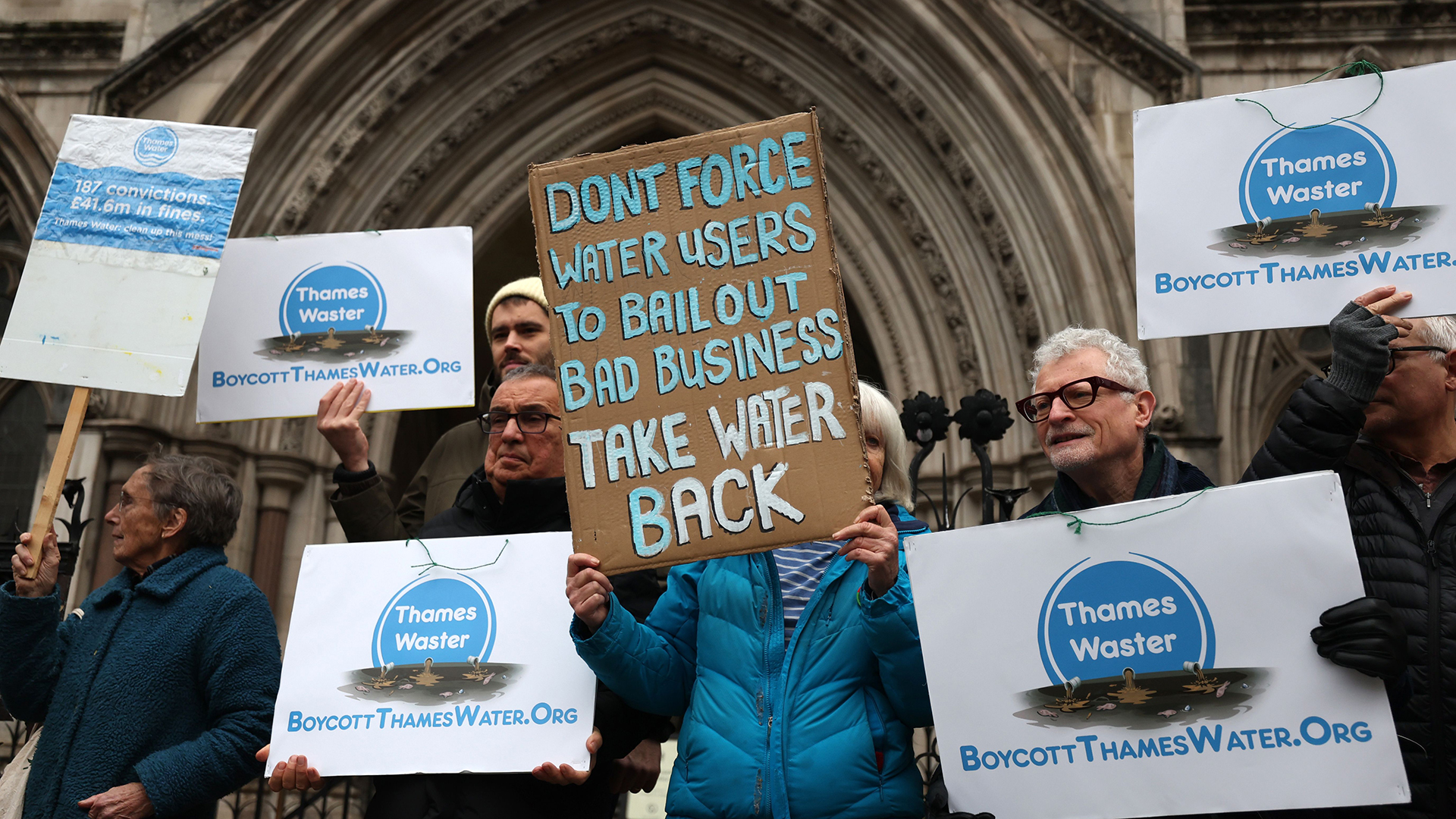
- Impact household bills across England, particularly in regions already facing affordability crises.
- Influence environmental outcomes, such as water quality and pollution control, with ripple effects on ecosystems and public health.
- Set a regulatory tone for the broader water sector, affecting how other companies approach recapitalization and investment.
Consumer groups, such as Citizens Advice, have called for greater transparency in how regulatory adjustments are justified. Meanwhile, environmental organizations like the Wildfowl & Wetlands Trust (WWT) have warned that deferred investments could worsen the UK’s already strained water infrastructure.
Key Takeaways
- Consumer costs: The proposal could lead to higher bills in the current and next price review periods, with risks of undue financial burden on households.
- Environmental delays: Critical wastewater and drinking water projects may be postponed by years, jeopardizing statutory compliance and long-term resilience.
- Regulatory uncertainty: Ofwat’s decision will hinge on balancing consumer protection, environmental obligations, and financial sustainability.
- Broader implications: The outcome could influence future water sector regulations and investment strategies nationwide.
As the debate unfolds, one certainty remains: the stakes for England’s water future are high. Whether the proposal is approved or rejected, the conversation around Thames Water’s recapitalization will shape the next chapter of water policy in the UK.
For further reading, explore Ofwat’s water pricing guidelines or Defra’s Water Industry Act 1991. Share your thoughts in the comments below or discuss this story on our social channels.
- Uruguay’s Cooperative Housing Model: A Global Solution to the Affordability Crisis
- Trump Calls Off Iran Strike: US Negotiates New Middle East Framework Amid Rising Tensions
- Michigan and Minnesota Report Cyberattacks on Water Systems (news-usa.today)
- Coldcard Vulnerability Shakes Bitcoin Self-Custody: Joe Burnett Warns of a New Era (archynewsy.com)