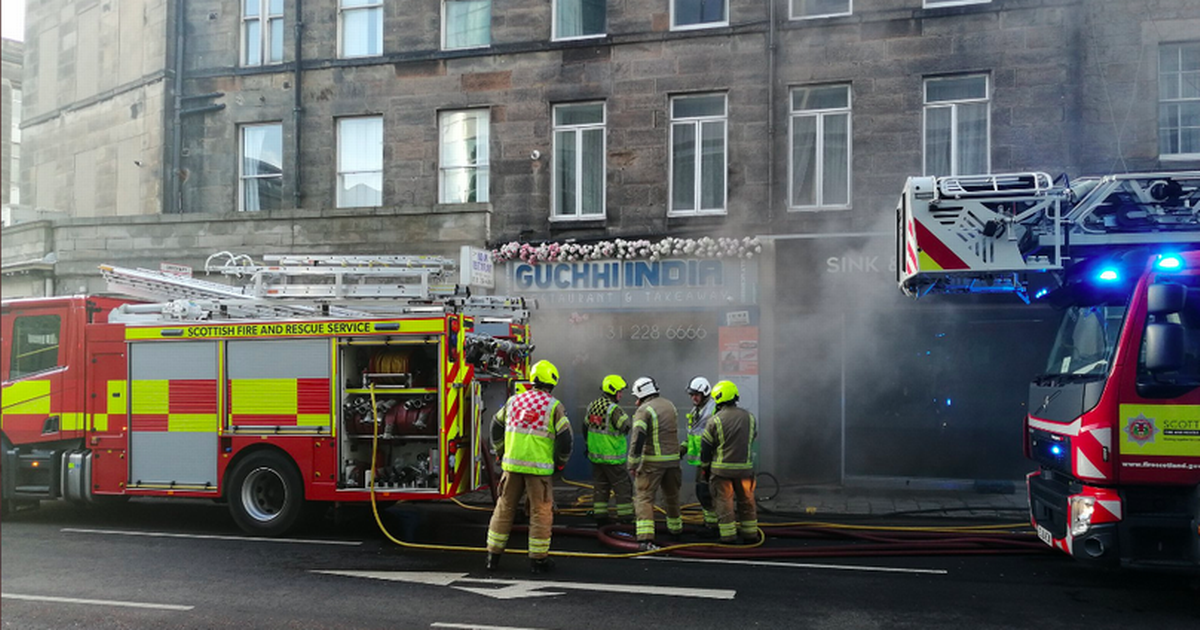
Europe is grappling with an unprecedented early-season heatwave that has shattered temperature records, strained emergency services, and claimed lives across the continent. As meteorologists warn of worsening climate patterns, the intensity of this heatwave—arriving weeks ahead of typical summer peaks—has forced governments to activate emergency protocols, from heatwave alerts in Spain to wildfire evacuations in Greece. In Scotland, the city of Edinburgh has become a focal point, where firefighters battled a large grass fire on the outskirts while thermometers climbed to levels rarely seen so early in the year.
The situation underscores a growing global concern: climate change is not only accelerating the frequency of extreme weather events but also intensifying their severity. While Europe has experienced heatwaves before, this year’s early onset and record-breaking temperatures—including all-time highs in some regions—highlight a troubling trend. Experts caution that without significant reductions in greenhouse gas emissions, such events will become the norm rather than the exception.
In Edinburgh, the Scottish Fire and Rescue Service (SFRS) confirmed its involvement in multiple incidents linked to the heatwave, including the grass fire that required coordinated efforts to contain. Meanwhile, health authorities across the UK have issued advisories urging vulnerable populations—particularly the elderly and those with pre-existing conditions—to stay hydrated, avoid prolonged sun exposure, and seek cooler indoor environments. The World Health Organization (WHO) has previously linked extreme heat to thousands of premature deaths annually, a statistic that could rise sharply if current trends persist.
Record-Breaking Temperatures and Public Health Alerts
According to the UK Met Office, temperatures in Edinburgh surpassed 30°C (86°F) for the first time this early in the year, a milestone that reflects broader regional anomalies. In Spain, the national meteorological agency, AEMET, reported temperatures exceeding 40°C (104°F) in parts of Andalusia, prompting red-level heatwave warnings—a category reserved for life-threatening conditions. France and Italy have also seen temperatures soar, with some areas experiencing 10°C (18°F) above seasonal averages, according to Copernicus Climate Change Service data.
The heatwave has triggered a cascade of public health responses. In the UK, the UK Health Security Agency (UKHSA) issued a statement advising regions to prepare for increased heat-related illnesses, including heat exhaustion and heatstroke. Hospitals in southern Europe have reported a surge in admissions for dehydration and heat-related conditions, with Italian authorities opening emergency cooling centers in major cities like Rome and Milan. The European Centre for Disease Prevention and Control (ECDC) has highlighted that prolonged exposure to high temperatures can exacerbate respiratory and cardiovascular conditions, posing particular risks to urban populations with limited access to green spaces.
Wildfires and Environmental Strain
The heatwave has also exacerbated wildfire risks, particularly in Mediterranean regions where dry conditions and high winds create ideal conditions for rapid fire spread. In Greece, firefighters are battling multiple blazes across Attica and the Peloponnese, with evacuations ordered in several areas. The European Forest Fire Information System (EFFIS) has classified the situation as elevated, with satellite data indicating a significant increase in fire activity compared to historical averages for this time of year.

Closer to home, Edinburgh’s grass fire—though not as severe as those in southern Europe—served as a stark reminder of the vulnerabilities even temperate regions face. The Scottish government’s Climate Change Plan acknowledges the rising threat of wildfires due to warmer, drier summers. Firefighters have emphasized the importance of community preparedness, urging residents to clear vegetation from around properties and report smoke or flames immediately. The SFRS has seen a 30% increase in fire-related calls compared to the same period last year, a trend attributed to both the heatwave and increased recreational activity in dry conditions.
Climate Science and the Road Ahead
Scientists attribute this early-season heatwave to a combination of natural climate variability and long-term warming trends. The Intergovernmental Panel on Climate Change (IPCC) has repeatedly warned that Europe is warming at a rate faster than the global average, with some models projecting up to 4°C (7.2°F) of warming by 2100 under high-emission scenarios. This heatwave, while extreme, may become a new baseline for future summers.
“What we’re seeing is not just a heatwave—it’s a glimpse into the future,” said Dr. Friederike Otto, a climate scientist at the Grantham Institute for Climate Change. “These events are becoming more frequent, more intense, and starting earlier. Without drastic action to cut emissions, One can expect these records to be broken again next year—and the year after that.”
The European Union’s Green Deal aims to achieve climate neutrality by 2050, but critics argue that current policies are insufficient to mitigate the worst impacts. Meanwhile, cities like Edinburgh are taking local measures, such as expanding urban green spaces and installing water misting systems in public areas, to combat the “urban heat island” effect, where concrete and asphalt absorb and retain heat.
What’s Next: Preparing for the Worst
As the heatwave continues to unfold, authorities are bracing for further challenges. In the UK, the Met Office has issued a yellow warning for extreme heat for parts of England, Scotland, and Wales, advising the public to stay alert and take precautions. The Scottish government has activated its Heatwave Plan, which includes measures to support vulnerable groups, such as home visits by social workers and additional staffing at cooling centers.

For residents in affected areas, the advice is clear: stay informed, hydrate regularly, and check on neighbors, especially the elderly or those without air conditioning. Public health officials recommend using fans strategically, avoiding peak sun hours (10 a.m. To 4 p.m.), and recognizing the signs of heat exhaustion, which include dizziness, nausea, and rapid breathing. In Edinburgh, libraries and community centers have opened their doors as respite spots, while transport authorities have advised against unnecessary travel to reduce strain on public services.
Key Takeaways
- Record temperatures: Edinburgh and other European cities have seen temperatures 10–20°C above average for this time of year, with some regions exceeding 40°C.
- Public health risks: Heatwaves increase the risk of heatstroke, dehydration, and exacerbation of chronic conditions, particularly for vulnerable populations.
- Wildfire threats: Dry conditions and high winds have heightened wildfire risks, with evacuations reported in Greece and increased fire calls in Scotland.
- Climate urgency: Scientists link the heatwave to long-term climate trends, warning that such events will become more common without significant emission reductions.
- Local responses: Cities like Edinburgh are implementing cooling centers, public advisories, and infrastructure upgrades to mitigate heat impacts.
- Next steps: Monitor official updates from Met Office, Scottish government, and ECDC for evolving safety guidance.
The next critical checkpoint will be the weekly climate briefing by the Copernicus Climate Change Service on June 2, 2026, which will provide updated assessments of global temperature anomalies and their implications for the coming months. In the meantime, residents and policymakers alike are urged to treat this heatwave as a wake-up call—a reminder that the fight against climate change is not just about future generations but about the present.
As Carlos Mendes, we believe this story is more than just a news cycle—it’s a call to action. Share your experiences, tips, or concerns in the comments below, and help us spread awareness about how we can all adapt to a warmer world. Together, we can turn this crisis into a catalyst for change.
Related reading