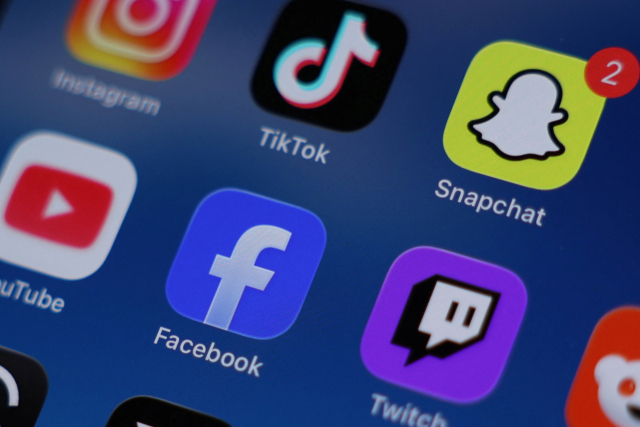
In a significant escalation of the global debate surrounding digital safety, medical experts in the United Kingdom have issued a stark warning, equating the impact of social media use on children to the public health risks posed by smoking. As technology continues to reshape the daily lives of minors, the call for more rigorous regulation—including potential bans, app limits, and curfews for those under the age of 16—is moving from academic discourse into the halls of government power.
The growing consensus among medical professionals suggests that the pervasive nature of platforms such as Instagram, TikTok, Snapchat, and YouTube is fundamentally altering the developmental landscape for young people. For many families, these applications are no longer just tools for communication; they are central components of social interaction that may carry significant, long-term health consequences. As reported by Reuters, the comparison to tobacco highlights a deepening concern that the digital environment for children has become increasingly difficult to regulate without broad legislative intervention.
The Medical Case Against Unrestricted Access
The core of the argument presented by health experts centers on the psychological and physiological impacts of prolonged exposure to algorithmic content. Much like the historical trajectory of smoking, which was once viewed as a benign social habit before its systemic health harms were fully understood, social media is now being scrutinized for its potential to cause long-term, cumulative damage to adolescent mental health. The medical community is increasingly pointing to evidence that suggests these platforms can disrupt sleep patterns, facilitate cyberbullying, and contribute to body image dissatisfaction through constant social comparison.

This shift in perspective has prompted policymakers to consider whether the “social media as a health threat” framework should dictate future regulatory policy. In the United Kingdom, the government is actively evaluating measures that range from age-gating access to implementing strict time-based restrictions on app functionality for users under 16 years of age. These discussions reflect a broader international trend where countries are attempting to balance the benefits of digital connectivity with the necessity of protecting a vulnerable demographic from the unintended side effects of a technology-first lifestyle.
Legislative Responses and the Quest for Digital Safety
The legislative appetite for addressing these concerns is not limited to any single jurisdiction. As the debate gains momentum, lawmakers are looking at various models of control, including mandatory parental consent, age verification requirements, and limitations on the types of data collection allowed for younger users. These legislative proposals often focus on the design choices made by tech companies, arguing that features like infinite scrolling and push notifications are engineered to maximize engagement at the expense of user well-being.

For parents and educators, the uncertainty surrounding these potential laws creates a complex environment. On one hand, there is a desire for government-led protections that would standardize safety across all major platforms. There is the practical challenge of implementation: how to enforce age restrictions without compromising digital privacy or creating significant technological hurdles for service providers. As these policy discussions evolve, the focus remains on the responsibility of tech firms to design safer digital experiences for children.
What Lies Ahead for Digital Policy
The current landscape is characterized by a “wait and see” approach, as governments evaluate the feasibility of various regulatory frameworks. The next major checkpoint will involve formal legislative reviews and public consultations regarding the proposed age-based restrictions. These sessions are expected to bring together technology sector representatives, child development specialists, and government regulators to determine the most effective path forward for digital safety.

At the heart of this issue is a fundamental question about the future of our digital infrastructure: should the responsibility for a child’s digital health lie with the individual user and their parents, or is there a collective, state-mandated duty to regulate the platforms themselves? As the scientific evidence continues to accumulate, the pressure on tech companies to adopt more transparent and protective measures is likely to intensify. We invite our readers to share their thoughts on this critical issue in the comments section below, as we continue to track the legislative developments in this rapidly evolving story.