
Labour leader Andy Burnham has announced plans to “rewire” the British state by decentralizing power from central government to local authorities, while outlining measures to address rising living costs. The proposals, unveiled ahead of a potential general election, aim to reverse decades of centralization under Conservative rule, according to Burnham’s official statement. Analysts describe the move as a direct challenge to the UK’s long-standing top-down governance model, with implications for public services, economic policy, and voter trust.
Burnham, who has positioned himself as the frontrunner to succeed Keir Starmer as Labour leader, framed the initiative as a response to “years of neglect” under the Tories. “The British state has been broken by centralization,” he said in a speech to party activists. “We need to rebuild it from the ground up—starting with local communities.” The plan includes transferring key decision-making powers on housing, transport, and economic development to regional authorities, a shift that could redefine how public funds are allocated.
Simultaneously, Burnham has pledged to introduce a “cost-of-living relief package” targeting low-income households, though exact details remain under development. The Financial Times reported that the package could include expanded childcare subsidies and energy bill caps, though no official figures have been confirmed. Burnham’s office declined to provide further specifics, citing ongoing policy discussions.
What Does “Rewiring the British State” Mean?
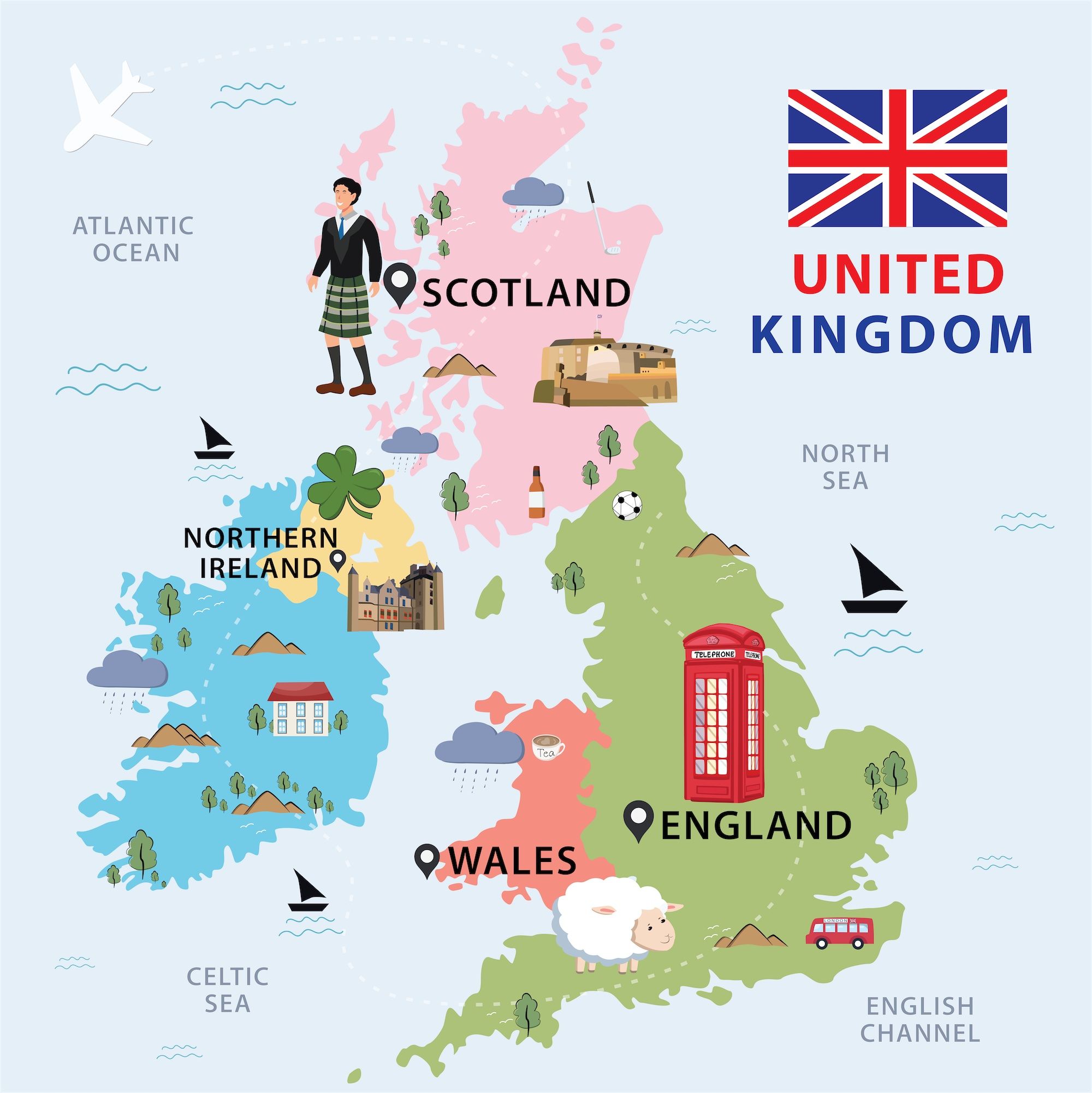
The term “rewiring” refers to Burnham’s vision of dismantling the UK’s highly centralized political system, where major decisions—from infrastructure spending to welfare reforms—are made in Westminster. Under his proposal, regional assemblies in England, Scotland, Wales, and Northern Ireland would gain greater autonomy over:

- Housing: Local authorities would have primary control over planning permissions and social housing allocations, reversing recent central government interventions.
- Transport: Regional transport bodies would oversee major infrastructure projects, such as rail upgrades and bus networks, currently managed by the Department for Transport.
- Economic Development: Devolution of tax powers, including business rates and local income tax, would allow regions to set their own economic priorities.
- Public Services: NHS and education funding would be partially devolved, with regions given greater flexibility in service delivery.
This approach mirrors policies already in place in Scotland and Wales, where devolved governments have significant control over healthcare and education. However, England—home to 84% of the UK population—remains heavily centralized. Burnham’s plan would extend similar powers to English regions, a move that could reshape the UK’s political landscape.
According to the BBC, the proposal has drawn mixed reactions. Supporters argue it would empower local communities and reduce bureaucratic delays, while critics warn it could lead to postcode-based disparities in public services. The Institute for Government, a think tank, noted in a recent report that past attempts at devolution in England have often failed due to lack of funding and political will.
How Would This Compare to Existing Labour Policies?
Burnham’s decentralization push builds on Labour’s long-standing support for devolution, but it goes further than previous proposals. Under Keir Starmer, Labour has pledged to “strengthen” devolved governments but has not outlined concrete plans to transfer significant powers to English regions. The current system, established under New Labour in the 1990s, grants Scotland, Wales, and Northern Ireland control over key areas but leaves England’s regions with limited autonomy.

A comparison of key policies:
| Policy Area | Current Labour Proposal (Starmer) | Burnham’s “Rewiring” Plan |
|---|---|---|
| Devolution | Strengthen existing devolved governments; no major new powers for English regions. | Full devolution of housing, transport, and economic powers to English regions, mirroring Scotland/Wales. |
| Public Funding | Block grants to devolved nations, with Westminster retaining overall control. | Regional control over tax revenues (e.g., business rates) and spending priorities. |
| NHS & Education | Maintain central oversight with some local flexibility. | Devolved decision-making on service delivery and funding allocation. |
| Economic Policy | National economic strategy with regional input. | Regional economic plans with local tax-raising powers. |
The most significant difference lies in Burnham’s proposal to grant English regions the same level of autonomy as Scotland and Wales. Under the current system, English local authorities have far less power than their devolved counterparts. For example, while the Scottish Parliament controls healthcare budgets, English regions must negotiate with Westminster for additional funding.
What About the Cost-of-Living Crisis?
Burnham’s decentralization plans are paired with promises to ease the cost-of-living crisis, though specifics remain vague. The Financial Times reported that the Labour leader is considering:
- A targeted energy bill cap for low-income households, potentially building on the current £300 annual discount.
- Expanded childcare subsidies, including free childcare for working parents of three- and four-year-olds.
- Increased local authority funding for affordable housing, with regions given greater control over planning rules.
However, no official figures have been released. The Office for Budget Responsibility (OBR) projects that UK inflation will remain above the Bank of England’s 2% target until 2026, meaning any relief measures would need to address both short-term pressures and long-term affordability. Burnham’s office has not confirmed whether the cost-of-living package would be funded through tax increases, borrowing, or reallocated public spending.
In contrast, the current government’s approach has relied on one-off payments, such as the £900 cost-of-living support package announced in 2023. Critics argue these measures do little to address structural issues like housing shortages and stagnant wages. Burnham’s plan, if implemented, would shift responsibility for some of these challenges to local governments—a move that could either empower communities or create uneven outcomes across the UK.
Who Stands to Gain—or Lose?
The decentralization push would have varying impacts depending on region and political affiliation:

- Supporters:
- Local authorities in deprived areas, which could gain more control over housing and economic development.
- Regional businesses, particularly in areas like the North of England, where devolution could attract investment.
- Labour voters in England, who have long felt overlooked compared to Scotland and Wales.
- Critics:
- Conservative-controlled regions, which might resist losing power to Labour-led local governments.
- Whitehall civil servants, who could see their influence reduced in favor of regional bureaucracies.
- Small businesses in areas with weak local economies, which might struggle with devolved tax policies.
Political analysts suggest Burnham’s plan could resonate in areas like Greater Manchester and the West Midlands, where devolution deals have already shown promise. However, implementing such a large-scale shift would require significant legislative changes, including potential amendments to the Scotland Act 1998 and Government of Wales Act 2006 to extend similar powers to England.
What Happens Next?
Burnham’s proposals remain at the policy development stage, with no formal legislative timeline announced. The next key dates to watch:
- Labour Leadership Election: If Burnham wins the Labour leadership, his plans would likely become a central pillar of the party’s 2024 general election manifesto.
- Consultation Period: Labour has indicated it will hold discussions with local authorities, businesses, and devolved governments before finalizing any proposals.
- Legislative Process: If elected, a Labour government would need to introduce new legislation to formalize devolution in England, a process that could take 12–18 months.
For now, Burnham’s vision remains ambitious but untested. The success of his plan would depend on political will, public support, and—crucially—whether devolved regions can deliver better outcomes than the current centralized system.
What do you think? Could decentralization truly “rewire” the British state, or would it create more problems than solutions? Share your thoughts in the comments below.