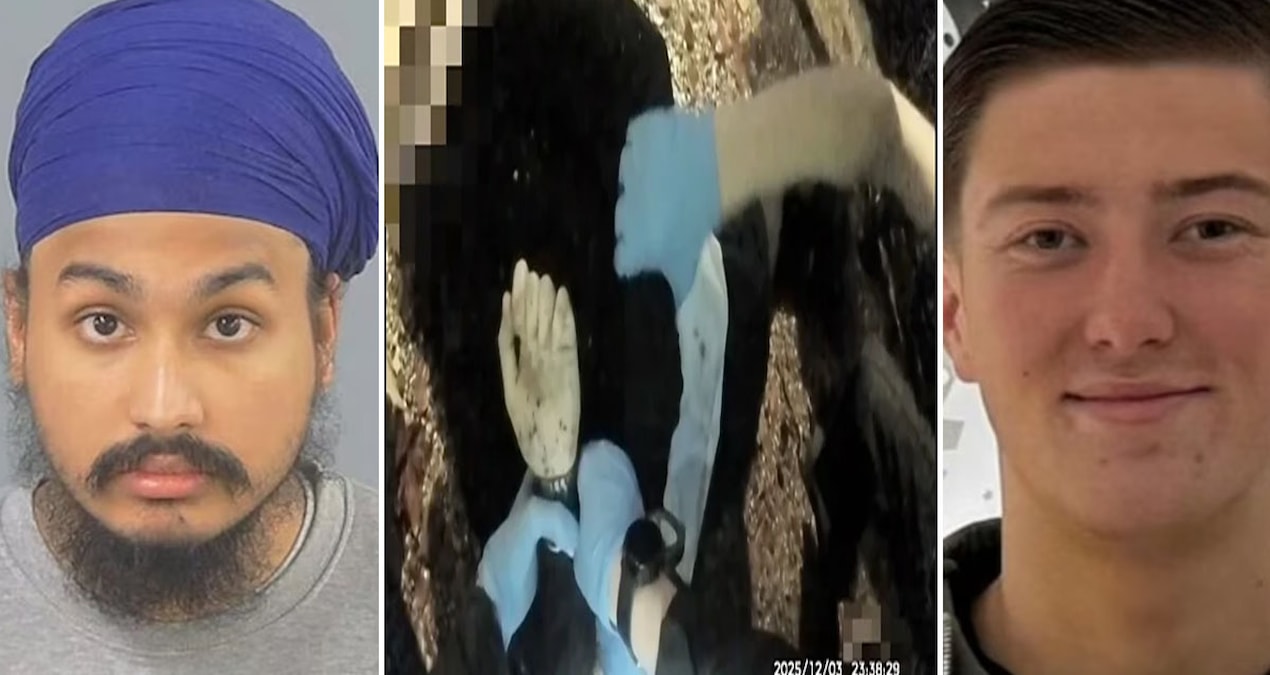
Public scrutiny has intensified in the United Kingdom following the release of body-worn camera footage showing Metropolitan Police officers restraining a critically injured teenager. The incident, which occurred in London, has sparked a national conversation regarding police conduct, the use of force and the protocols governing the treatment of victims during emergency responses. As the investigation into the circumstances surrounding the event continues, policymakers and civil rights advocates are calling for a thorough review of how emergency services manage high-stress encounters involving wounded individuals.
The footage, which has circulated widely across media platforms, depicts the moments following a stabbing incident. In the video, the victim—identified in reports as 17-year-old Henry Nowak—is seen struggling for breath while officers apply handcuffs. The visual evidence has prompted an immediate response from the public and political figures, who have questioned the necessity of such measures when a victim is clearly incapacitated and in need of urgent medical intervention. According to official reports from the Independent Office for Police Conduct (IOPC), the incident is currently subject to a formal investigation to determine whether the officers’ actions were proportionate and consistent with established training standards.
The Context of the Incident and Police Protocol
At the heart of this controversy is the tension between operational safety and the duty of care. Police guidelines in the UK, governed by the College of Policing, emphasize that the use of handcuffs must be “reasonable, proportionate and necessary.” Critics argue that applying restraints to a person suffering from life-threatening stab wounds not only causes unnecessary distress but potentially interferes with the administration of life-saving first aid. The College of Policing’s Authorized Professional Practice outlines that officers must constantly reassess the necessity of force as a situation evolves, particularly when the subject is no longer a physical threat to others.
The incident has drawn comparisons to previous high-profile cases where the use of restraints on incapacitated individuals led to fatalities or severe trauma. For the families involved, the footage is a painful reminder of the perceived disconnect between procedural adherence and human empathy. The Metropolitan Police have stated that they are cooperating fully with the IOPC probe, which will examine the specific decisions made by the responding officers in the seconds leading up to and following the application of the handcuffs.
Political and Public Reaction
The discourse surrounding the incident has reached the highest levels of government. Prime Minister Keir Starmer has addressed the situation, urging the public to avoid deepening societal divisions while the investigative process takes its course. In his comments, Starmer emphasized that “a tragedy should not be used to create division,” highlighting the importance of allowing the legal and oversight mechanisms to operate without political interference. His remarks reflect a broader government effort to maintain public confidence in law enforcement while acknowledging the seriousness of the allegations.
Community groups and civil rights organizations have taken a more critical stance. Many are calling for a systemic review of how police interact with young people and victims of violent crime. The incident has reignited debates about “stop and search” tactics and the broader culture within the Metropolitan Police, which has faced significant criticism in recent years regarding its institutional standards and community relations. For many observers, the question is not just about the specific actions of these officers, but about the training and mindset that led them to prioritize restraint over immediate, unencumbered medical support.
Key Considerations in the Ongoing Investigation
As the IOPC continues its work, several factors will be central to their findings:
- Threat Assessment: Whether the officers reasonably believed the victim posed a threat or was in possession of a weapon at the time the handcuffs were applied.
- Medical Priority: The extent to which the application of handcuffs hindered or delayed the delivery of medical assistance.
- Communication: How the officers communicated with the victim during the encounter, particularly after the victim explicitly stated they were having difficulty breathing.
- Training Adherence: Whether the officers followed the specific guidelines for handling “vulnerable” or “critically injured” persons as defined by current police training manuals.
The IOPC’s mandate is to ensure that police forces are held accountable for their actions, and they possess the authority to recommend disciplinary action or refer cases to the Crown Prosecution Service if criminal conduct is suspected. Their final report will be a critical document in determining the future of the officers involved and may lead to policy changes regarding how victims of violent crime are handled at the scene.
Looking Ahead: The Path to Accountability
The next major checkpoint in this case will be the release of the IOPC’s preliminary findings. While there is no set date for the conclusion of this investigation, the agency has promised a “thorough and independent” review. Transparency remains the primary demand from the public, and the Metropolitan Police are under significant pressure to demonstrate that they are committed to learning from this incident.
As this story develops, it serves as a reminder of the vital importance of oversight in modern policing. The balance between maintaining public order and protecting the human rights of every individual—regardless of their circumstances—is the hallmark of a functioning democracy. We will continue to follow this investigation closely as further details emerge from the IOPC and official judicial channels.
What are your thoughts on the balance between police safety protocols and the duty of care in emergency situations? We invite you to share your perspectives in the comments section below. For the latest updates on this ongoing investigation, ensure you are following our World section for verified reporting and analysis.