
United Kingdom retail sales volumes rose by 1.2% in May 2026, surpassing economist expectations and signaling a modest rebound in consumer spending. According to data released by the Office for National Statistics (ONS), the increase follows a period of stagnation in the spring, driven largely by stronger-than-anticipated demand in non-food store categories and improved footfall across high streets.
The 1.2% growth figure serves as a vital indicator for the broader British economy, reflecting how households are managing persistent cost-of-living pressures and fluctuating interest rates. This performance outperformed the consensus forecast of analysts, who had generally anticipated a more muted recovery for the month. The ONS confirmed that the rise was broad-based, with both online and in-store retailers recording gains compared to the previous month’s revised figures.
Drivers of the May Retail Rebound
The primary catalyst for the growth in retail sales was a significant uptick in the “other stores” and clothing sectors, according to the official ONS monthly bulletin. Retailers reported that warmer weather patterns in mid-May encouraged consumers to return to physical shopping centers, reversing the trend of sluggish performance noted in April.
Furthermore, the data suggests that promotional activity played a substantial role in clearing seasonal inventory. While inflation remains a concern for the Bank of England, the retail sector appears to be benefiting from a stabilization in household disposable income. Analysts monitoring the sector have pointed out that the 1.2% growth is a positive deviation from the recent trend of flatlining consumer confidence, though they caution that a single month of data does not necessarily indicate a long-term shift in spending habits.
Economic Context and Consumer Behavior
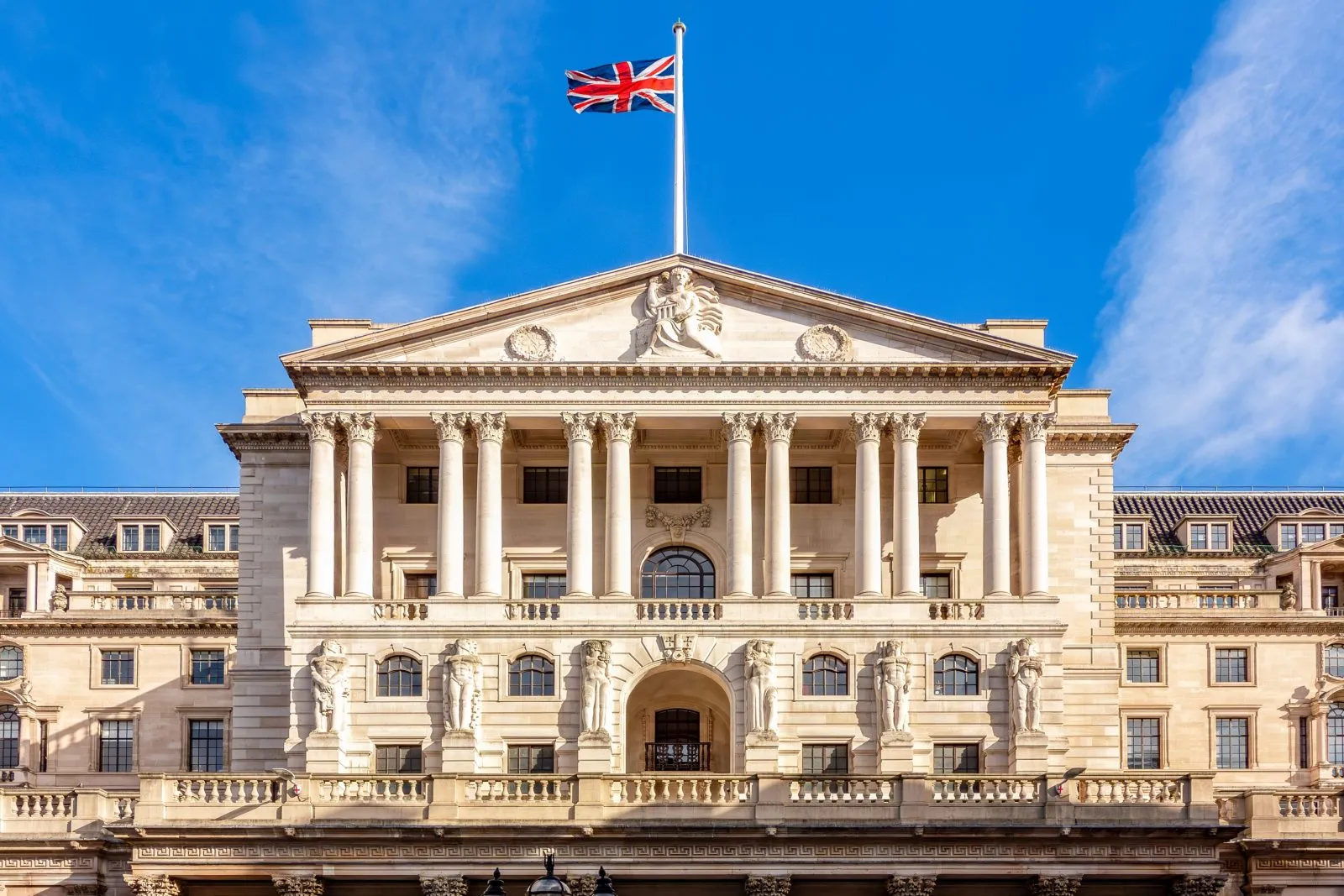
To understand the current state of the UK retail market, one must consider the broader macroeconomic environment. The Bank of England (BoE) maintains a close watch on these retail figures as they provide early insight into inflationary pressure. High retail sales volumes can sometimes complicate the central bank’s efforts to curb inflation, as increased demand may lead to upward pressure on prices.
Despite the positive May outcome, the retail landscape remains bifurcated. While discretionary categories like fashion and luxury goods saw a lift, essential spending on food and household goods remained relatively steady, showing little growth in volume terms. This contrast highlights the ongoing challenge for UK retailers: maintaining margins while consumers remain highly price-sensitive. Economists at major financial institutions have noted that while the headline number is encouraging, the “real” growth is often masked by the impact of price changes over the past twelve months.
Comparative Analysis: Expectations versus Reality
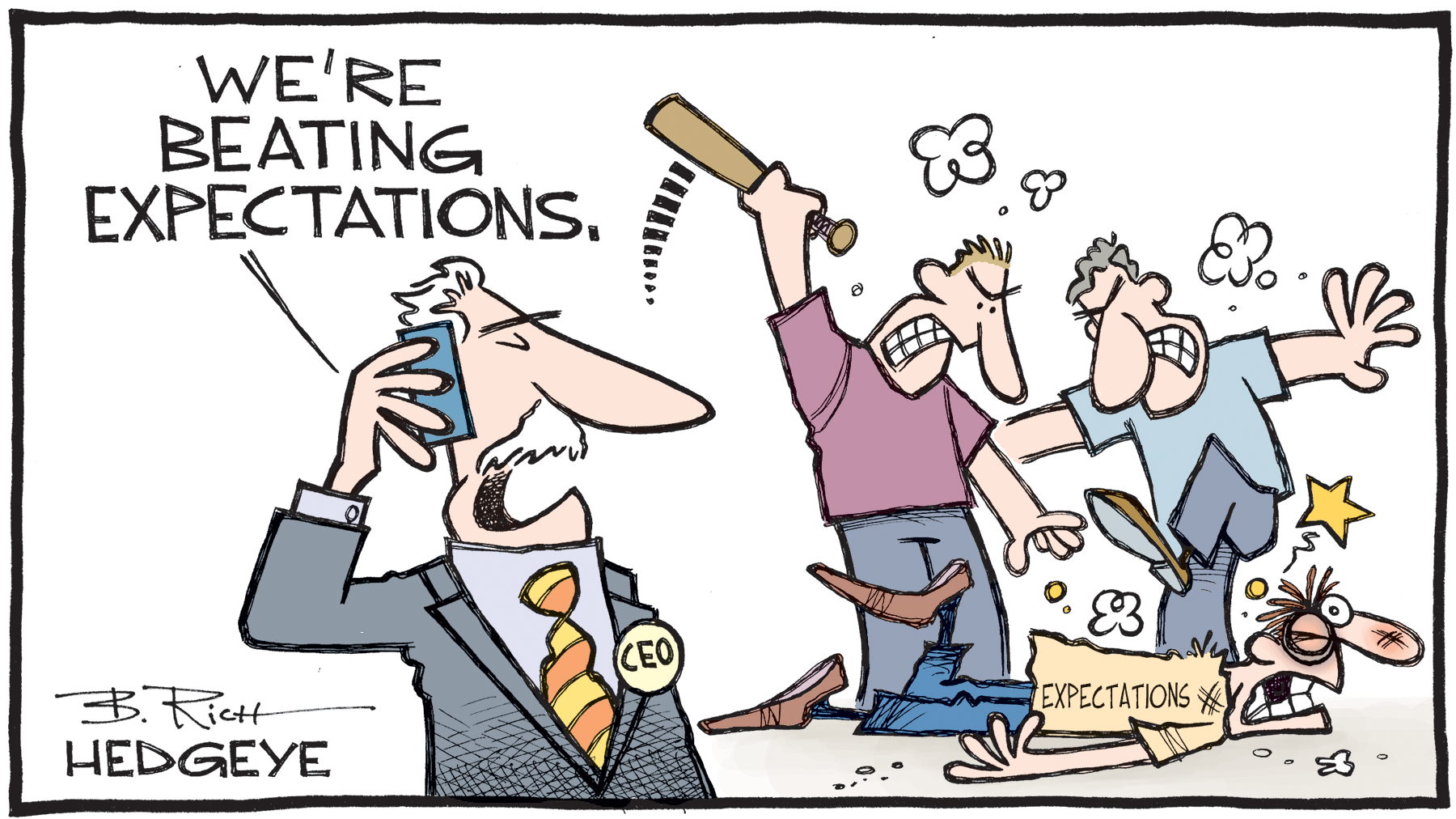
Financial analysts had entered the month with a degree of skepticism regarding the health of the British consumer. Prior to the ONS announcement, a survey of market projections suggested that growth would likely hover around the 0.5% to 0.7% mark. The actual 1.2% print, therefore, represents a notable “beat” against market expectations.
This variance is frequently attributed to the difficulty in modeling consumer behavior in an era of high-frequency digital spending. As highlighted by market research firms tracking card transaction data, the shift toward online shopping has made traditional retail metrics more volatile. The May data confirms that physical store performance remains a critical component of the UK’s retail health, defying predictions that digital-only growth would dominate the quarter.
What Happens Next for the UK Economy
The next major milestone for the retail sector will be the June retail sales report, scheduled for release by the ONS in mid-July 2026. This upcoming data will be scrutinized to determine if the May surge was a temporary anomaly or the beginning of a sustained recovery in consumer spending. Investors and policymakers will also be looking for commentary from the HM Treasury regarding any new fiscal measures that might impact household purchasing power in the second half of the year.
As the UK navigates the remainder of the fiscal year, retail performance will remain a central pillar of GDP growth discussions. Readers interested in tracking these updates can monitor the official ONS release calendar for the most accurate, verified figures. We welcome your thoughts on these trends—please share your insights or questions in the comments section below.
Keep reading