
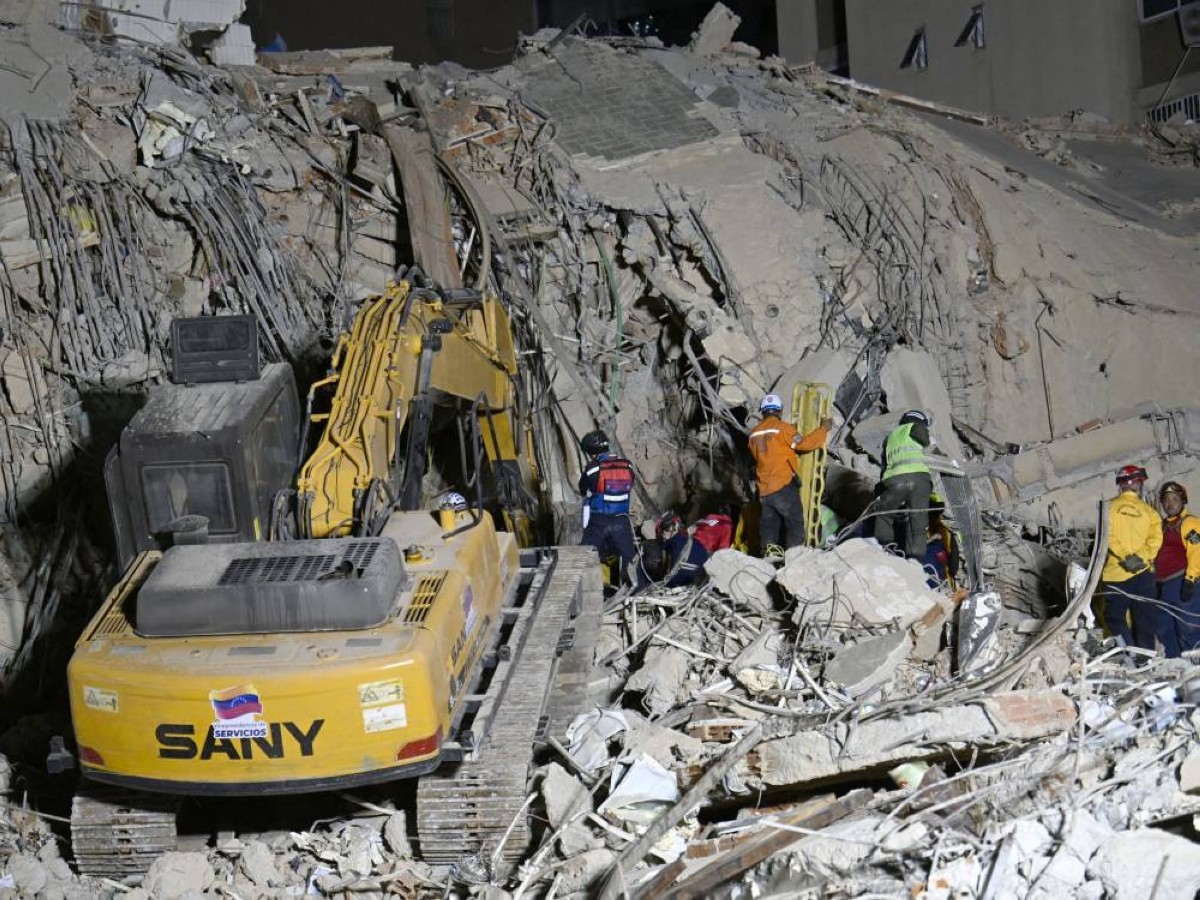
The United Kingdom has deployed a specialized search and rescue team to Venezuela following a series of powerful earthquakes that struck the region on Wednesday. As the death toll continues to rise, the British government confirmed the dispatch of personnel and equipment to support local emergency services in the disaster-stricken areas, according to official statements from the Foreign, Commonwealth and Development Office (FCDO). The deployment aims to bolster rescue efforts in the aftermath of the seismic activity, which has caused significant structural damage and triggered urgent humanitarian concerns across affected districts.
The international assistance comes as Venezuelan authorities work to coordinate search operations amid reports of collapsed buildings and trapped civilians. While the initial seismic events occurred mid-week, rescue teams remain engaged in a race against time to locate survivors under the debris. The British contingent, comprised of experts in urban search and rescue (USAR), is equipped with specialized tracking technology and medical support units to assist in the high-stakes recovery mission, as noted in reports by the Foreign, Commonwealth and Development Office.
Scale of the Emergency and Humanitarian Response
The seismic activity, described by local officials as a significant geological disturbance, has prompted a broad mobilization of both domestic and international resources. According to updates provided by the Venezuelan Ministry of Interior, Justice and Peace, emergency response teams have been concentrated in the areas closest to the epicenter, where the impact on infrastructure was most severe. The inclusion of the British team is part of a larger international effort to provide technical expertise and logistical support in disaster management.

The arrival of international specialists is intended to supplement the efforts of the Venezuelan Civil Protection agency, which has been leading the primary response. The cooperation between the UK and Venezuelan authorities highlights the importance of standardized global protocols in disaster relief, particularly in regions where structural stability is compromised. Information regarding the current number of casualties and the status of ongoing rescue operations is being updated periodically through official government channels to ensure that families and the international community have access to verified data, as monitored by Reuters and other global news agencies.
Operational Challenges and Recovery Efforts
Search and rescue operations in the affected regions face significant logistical hurdles. The seismic events have left roads obstructed and communication networks intermittent, complicating the movement of heavy machinery and medical supplies. Specialist teams, including those from the UK, are trained to operate in such high-risk environments, utilizing acoustic sensors and thermal imaging to detect movement beneath rubble, according to standard operating procedures for the International Search and Rescue Advisory Group (INSARAG).
The focus remains on the “golden hour”—the critical window of time following a disaster when the probability of finding survivors is highest. The British team is working alongside local volunteers and emergency responders to clear debris manually and with specialized tools in sites where heavy equipment poses a risk to potential survivors. Coordination is managed through a central command center, which assigns sectors to different international teams to ensure comprehensive coverage of the affected territory.
International Coordination and Future Updates
The situation in Venezuela continues to evolve as assessments of the total damage are conducted. International aid organizations and government representatives are currently monitoring the humanitarian requirements, including the need for temporary shelter, clean water, and medical aid for those displaced by the earthquakes. The UK’s involvement is subject to ongoing review, with the deployment duration contingent on the needs identified by local authorities on the ground.

Residents and international observers are encouraged to follow updates provided by the United Nations Office for the Coordination of Humanitarian Affairs (OCHA), which provides real-time situational reports on the international response to natural disasters. As the rescue phase transitions into the recovery and reconstruction phase, focus will likely shift toward addressing the long-term infrastructure needs of the impacted communities. Further information regarding the status of the search efforts will be released by the respective government ministries as data is verified. We invite readers to share their perspectives on international disaster collaboration in the comments section below.