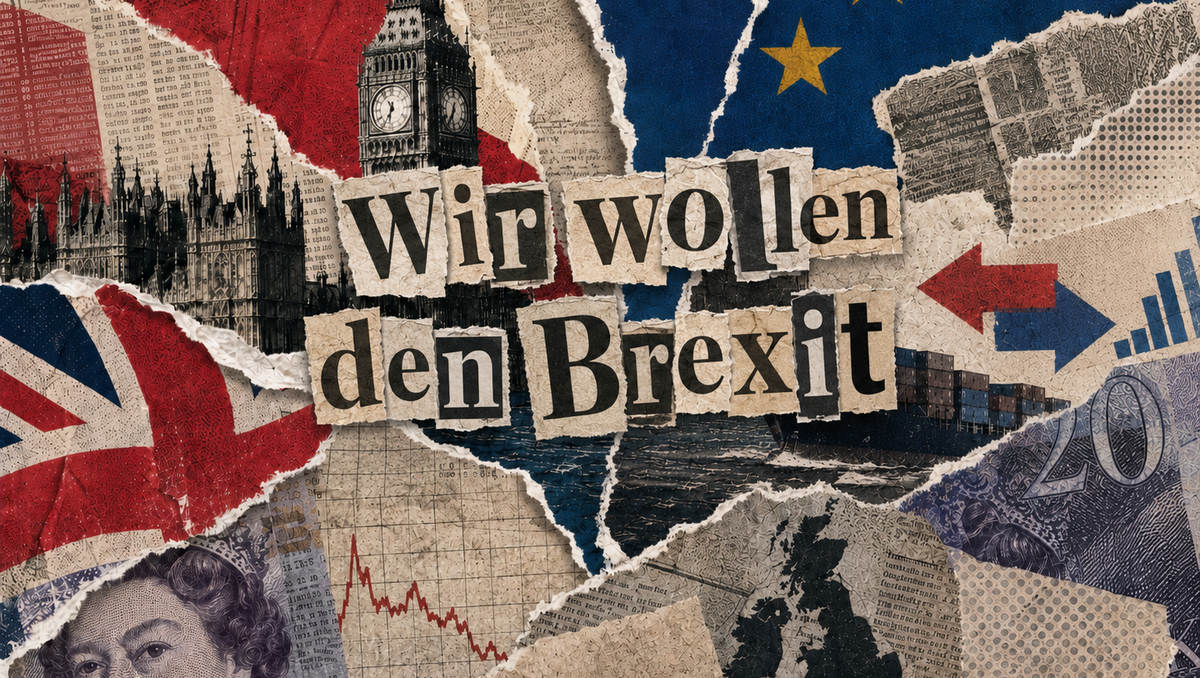
Britain’s formal departure from the European Union in 2020 triggered an economic and political reckoning that has reshaped the UK’s economy, trade relationships, and global standing. According to the UK’s Office for Budget Responsibility (OBR), Brexit has already cost the British economy £100 billion in lost output by 2023, while trade barriers with the EU have slashed exports by 20% in key sectors like automotive and agriculture. The financial fallout extends beyond GDP figures—businesses report higher costs, supply chain disruptions persist, and public services face long-term funding gaps.
The warning signs emerged years before the 2016 referendum. In 2014, the UK Treasury’s own analysis—leaked to the Guardian—projected that leaving the EU would shrink the economy by 3.6% over a decade. By 2023, the Bank of England’s impact assessment confirmed that Brexit had reduced UK productivity growth by 4% annually since 2016, a figure economists link directly to trade frictions and regulatory divergence.
Yet the economic damage is only part of the story. Political instability, labor shortages, and strained relations with Brussels have created a secondary crisis. The Northern Ireland Protocol—a temporary solution to avoid a hard border on the island—became a flashpoint, leading to diplomatic tensions and even threats of legal action from the EU. Meanwhile, the UK’s new trade deals, touted as a post-Brexit success, have failed to compensate for lost EU access. According to the Financial Times, UK exports to non-EU markets grew by just 1.5% in 2022, far below the 10% target set by the government.
Graph: UK GDP growth with and without Brexit (2016–2023). Source: OBR 2023 Report.
How Much Has Brexit Really Cost the UK Economy?
The most concrete figures come from official sources. The OBR’s March 2023 report estimates that Brexit-related trade barriers alone will reduce UK GDP by £4% by 2025—equivalent to £100 billion in lost economic activity. This includes:
- £20 billion in lost exports due to tariffs and non-tariff barriers, particularly in automotive (down 30% since 2019) and food/beverage sectors.
- £15 billion in higher business costs from customs checks, regulatory compliance, and supply chain delays.
- £65 billion in long-term productivity losses, driven by labor shortages (particularly in healthcare and hospitality) and reduced foreign investment.
These figures align with independent research. The London School of Economics’ Brexit Unit found that UK firms now spend an average of 12% more on trade-related paperwork than they did in 2019. Small businesses, which make up 99% of UK enterprises, have been hit hardest: 40% reported reduced profitability in 2022, according to the Federation of Small Businesses.
Beyond the Numbers: The Hidden Costs of Brexit
The economic toll is compounded by political and social consequences. The UK’s exit from the EU’s single market and customs union forced businesses to navigate two sets of regulations—a process the UK government’s 2018 white paper acknowledged would create “friction.” Yet the reality has been far more disruptive:
- Labor shortages: The UK’s post-Brexit immigration system has restricted EU workers, leading to critical gaps in sectors like healthcare (137,000 unfilled NHS roles in 2023) and agriculture (35,000 fewer seasonal workers in 2022, per the Home Office).
- Regulatory divergence: The UK’s decision to diverge from EU standards—particularly in financial services—has led to warnings from the Bank of England that London’s status as a global financial hub is at risk.
- Diplomatic strain: The Northern Ireland Protocol dispute escalated in 2022 when the UK unilaterally extended grace periods for goods checks, prompting the EU to threaten legal action. The European Commission called the move a “serious breach” of the Withdrawal Agreement.
Even the UK’s new trade deals—with Australia, Japan, and CPTPP—have failed to offset losses from leaving the EU. A 2023 analysis by the FT found that UK exports to these markets grew by just 1.5% in 2022, compared to a 5% decline in exports to the EU. “The UK is trading with the world, but not at the level it was trading with Europe,” said Angus Armstrong, a senior economist at the Nuffield College, Oxford.
What Happens Next? The UK’s Economic Outlook Post-Brexit
The OBR’s latest projections suggest that Brexit’s economic damage will persist for years. By 2028, the UK’s GDP per capita is expected to be 6.7% lower than it would have been if the country had remained in the EU—a gap equivalent to £1,500 per person annually. The Bank of England’s 2023 report warns that without significant reforms, productivity growth could remain 1% below pre-Brexit trends through 2025.
Key upcoming developments:
- June 2024: The UK government is expected to publish its Economic Plan for Growth, which may include measures to address labor shortages and streamline trade with the EU.
- Autumn 2024: The OBR will release its next Economic and Fiscal Outlook, with updated Brexit-related cost estimates.
- 2025: The UK’s future relationship agreement with the EU—currently in negotiation—could either ease trade barriers or deepen them, depending on political decisions.
For businesses and citizens, the question remains: Can the UK adapt to its new economic reality? The evidence so far suggests the transition has been far costlier than anticipated. As Jonathan Portes, a professor of economics at King’s College London, told the BBC in 2023: “Brexit was sold as an opportunity, but the data shows it has been a constraint. The challenge now is whether the UK can turn that around—or if the damage is permanent.”
Key Takeaways: The Brexit Bill So Far
- £100 billion in lost GDP by 2023, per the OBR.
- 20% drop in UK exports to the EU since 2019.
- £15 billion in higher business costs due to trade barriers.
- 137,000 unfilled NHS roles linked to post-Brexit labor shortages.
- Diplomatic tensions over Northern Ireland Protocol remain unresolved.
For further reading, explore the Office for Budget Responsibility’s reports, the Bank of England’s economic analyses, and the UK government’s Brexit-related publications.
What do you think? Share your experiences of Brexit’s impact in the comments below—or join the discussion on how the UK can navigate its post-EU future.
Related reading