
Diplomatic efforts to stabilize the region intensified this weekend as President Volodymyr Zelenskyy met with Turkish President Recep Tayyip Erdoğan in Istanbul to solidify Ukraine Turkey security and energy agreements. The high-level talks, which took place on Saturday, April 4, according to official reports, focused on a multifaceted approach to security and the strategic development of energy infrastructure.
The meeting comes at a critical juncture for Kyiv, as the administration seeks to broaden its network of security partnerships while simultaneously managing an escalating conflict on the ground. In Istanbul, the two leaders discussed new initiatives designed to enhance bilateral cooperation and address the volatile security environments in both Europe and the Middle East.
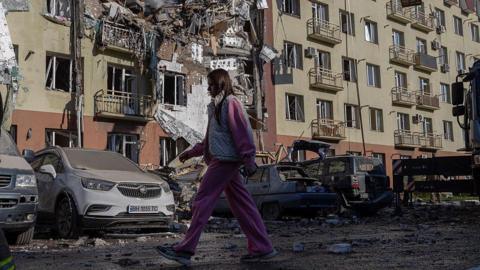
While the diplomatic tracks in Turkey signal a move toward long-term strategic stability, the immediate reality remains one of volatility. Recent reports indicate a continuing cycle of violence, including a strike on Odesa that resulted in casualties and Russian claims of attacks targeting oil transport facilities in Novorossiysk. This juxtaposition of high-level diplomacy and active combat underscores the complexity of the current geopolitical landscape.
Strengthening Security Ties and Technical Exchange
A primary outcome of the Istanbul summit was the agreement to implement new steps in security cooperation. Rather than focusing solely on traditional military aid, the discussions emphasized a reciprocal exchange of expertise, technology, and operational experience. President Zelenskyy noted that the cooperation would specifically involve areas where Ukraine can provide support to Turkey, signaling a shift toward a more balanced strategic partnership through the sharing of technical knowledge.
The leaders emphasized the necessity of coordinated actions to protect human life and ensure safety across different regions of the world. According to statements shared via Telegram, both parties expressed a “principled political readiness” to work together, with dedicated teams tasked with finalizing the technical details of these security arrangements in the coming days as part of their bilateral framework.
Strategic Energy Infrastructure and Gas Development
Beyond immediate security concerns, the Ukraine Turkey security and energy agreements include a significant push toward energy independence and infrastructure resilience. The two nations discussed practical steps for the implementation of joint projects focused on the construction of gas infrastructure. This initiative is designed to stabilize energy flows and reduce reliance on volatile external suppliers.
In addition to infrastructure construction, the leaders explored the possibilities of the joint development of gas fields. By leveraging shared resources and technology, Ukraine and Turkey aim to create a more robust energy corridor that benefits both nations’ economic stability and regional influence as detailed in the meeting summaries.
Ongoing Volatility: Odesa and Novorossiysk
The diplomatic progress in Istanbul stands in stark contrast to the reports of renewed hostilities. Recent strikes on the port city of Odesa have led to casualties, highlighting the persistent threat to civilian centers and critical maritime infrastructure. These attacks continue to disrupt the region’s stability, even as diplomatic channels remain open.
Simultaneously, Russia has claimed that Ukrainian forces targeted oil transport facilities in Novorossiysk. While these claims are part of the ongoing information conflict, they point to a strategy of targeting energy logistics—a mirrored reflection of the energy goals discussed in the Istanbul summit. The targeting of transport hubs suggests an effort to disrupt the economic arteries of the opposing side.
Key Takeaways from the Istanbul Summit
- Security Reciprocity: Ukraine and Turkey agreed to share expertise and technology, moving beyond a one-way aid model.
- Energy Integration: Plans are underway for joint gas infrastructure projects and the development of gas deposits.
- Diplomatic Continuity: The meeting reaffirms Turkey’s role as a mediator and strategic partner for Ukraine’s territorial integrity.
- Regional Focus: Discussions extended beyond the immediate conflict to include stability in the Middle East and broader Europe.
As the teams from Kyiv and Ankara work to finalize the details of their security and energy pacts, the international community remains focused on whether these agreements can translate into tangible stability on the ground. The commitment to territorial integrity and the pursuit of “peace negotiations” remain central themes of the Turkish-Ukrainian dialogue.
The next confirmed checkpoint for these developments will be the official announcement of the finalized security details, expected to be released following the completion of the technical team reviews in the coming days.
We invite our readers to share their perspectives on these diplomatic developments in the comments below. Please share this report to keep others informed on the evolving security landscape in Eastern Europe.