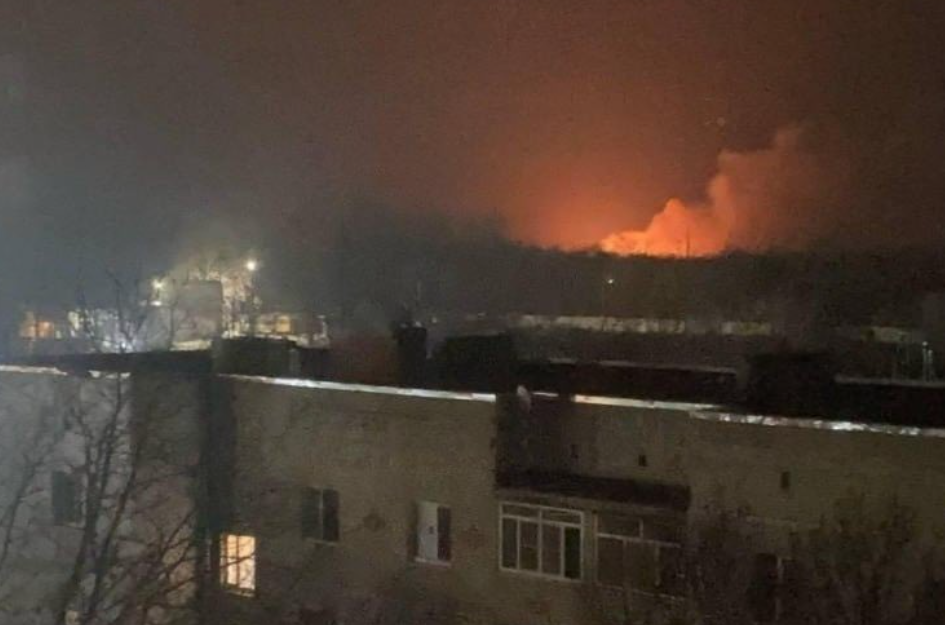
Krasnodar Krai, Russia – A significant fire erupted at a major oil depot in Russia’s Krasnodar Krai region overnight on March 15, 2026, following a reported drone attack attributed to Ukrainian forces. The incident, which targeted the Tikhoretsk oil pumping station, a crucial logistical hub for Russian fuel supplies, marks a further escalation in Ukraine’s campaign to disrupt Russia’s energy infrastructure. While Russian authorities have confirmed the attack and are working to extinguish the blaze, the full extent of the damage and potential impact on fuel distribution remain under assessment. This strike follows a similar incident earlier in March targeting oil infrastructure in Novorossiysk, indicating a sustained Ukrainian effort to degrade Russia’s capacity to finance its war effort.
The Tikhoretsk oil pumping station is strategically important, serving as the primary supply route for petroleum products to Novorossiysk, a key Black Sea port. According to a source within Ukraine’s Security Service (SBU), the operation was carried out by the SBU’s Alfa Special Operations Center and aimed to deliver a “significant blow to the enemy’s oil logistics.” Videos circulating online, purportedly showing multiple fires at the site, suggest substantial damage to fuel storage tanks. The attack underscores Ukraine’s growing ability to strike deep within Russian territory, raising concerns about the vulnerability of critical infrastructure and the potential for further disruptions.
Details of the Attack and Response
Russian authorities confirmed the attack on the oil pumping station, stating that 26 pieces of equipment and 83 personnel were deployed to combat the resulting fire. The fire covered an area of 150 square meters, according to the regional task force. Eyewitness photos analyzed by the Russian media outlet Astra indicate that several fuel tanks at the depot were directly impacted by the strike. The Tikhoretsk Oil Hub, managed by Tikhoretsk-Nafta LLC, a subsidiary of Transneft, is one of the largest oil transshipment facilities in southern Russia, making it a high-value target for Ukrainian forces.
The SBU source indicated that the attack is part of a broader strategy to disrupt Russian supply chains, complicate fuel transport to ports, and ultimately weaken Russia’s ability to sustain its military operations in Ukraine. This aligns with previous Ukrainian actions targeting oil infrastructure, including the earlier strike on Novorossiysk. The choice of the Tikhoretsk hub suggests a deliberate attempt to choke off fuel supplies to a critical port, potentially impacting both military and civilian needs. The Russian Ministry of Defense reported intercepting 80 Ukrainian fixed-wing drones overnight, with 30 intercepted over Krasnodar Krai and eight over the Black Sea, though this claim has not been independently verified.
Strategic Implications and Regional Context
The attack on the Tikhoretsk oil hub has significant strategic implications. By disrupting the flow of fuel to Novorossiysk, Ukraine aims to hinder Russia’s logistical capabilities and potentially increase costs for the Russian military. Novorossiysk is a vital port for both civilian and military shipments, and any disruption to fuel supplies could have a cascading effect on Russia’s ability to project power and sustain its war effort. MSN News reports that the Tikhoretsk station is located near the Black Sea, further emphasizing its strategic importance.
This incident occurs against a backdrop of increasing tensions between Russia and Ukraine, with both sides engaging in escalating attacks on each other’s infrastructure. The strikes on Russian oil facilities represent a shift in Ukraine’s strategy, demonstrating a willingness to target critical infrastructure within Russia itself. This escalation raises concerns about the potential for further retaliatory actions and a wider conflict. Reports indicate that drones were also detected in the skies over several other Russian regions, including Rostov, Bryansk, Belgorod, Kursk, Kaluga, and Voronezh, as well as occupied Crimea, suggesting a widespread Ukrainian drone campaign.
Impact on Fuel Supplies and Logistics
The extent to which the attack will disrupt fuel supplies remains to be seen. However, the damage to fuel storage tanks at the Tikhoretsk hub is likely to create logistical challenges for Russia. The facility’s role as the sole supply branch delivering petroleum products to Novorossiysk means that any significant disruption could have a substantial impact on the region’s fuel availability. The Kyiv Independent reports that the strike delivered a “significant blow to the enemy’s oil logistics,” suggesting a considerable impact on Russia’s fuel distribution network.
Russian authorities are likely to implement measures to mitigate the impact of the attack, such as rerouting fuel supplies or increasing production at other facilities. However, these measures may be costly and time-consuming, and could further strain Russia’s already stretched resources. The attack also highlights the vulnerability of Russia’s energy infrastructure to drone attacks, raising questions about the effectiveness of existing air defense systems. The reported interception of 80 drones by Russian air defenses suggests a significant effort to counter the Ukrainian drone campaign, but the success of these efforts remains unclear.
International Response and Future Outlook
The international community has largely reacted with cautious statements to the attack. While many countries have condemned Russia’s invasion of Ukraine and expressed support for Ukraine’s right to defend itself, there has been limited direct condemnation of the attacks on Russian infrastructure. This reflects a broader reluctance among Western powers to escalate the conflict or be seen as directly supporting attacks within Russia. The United States and Russia reportedly held meetings on March 12, 2026, though the details of those discussions remain largely undisclosed.
Looking ahead, it is likely that Ukraine will continue to target Russian infrastructure in an effort to disrupt Russia’s war effort. The success of these attacks will depend on Ukraine’s ability to maintain a steady supply of drones and intelligence, as well as its ability to overcome Russian air defenses. Russia, in turn, is likely to intensify its efforts to protect its infrastructure and retaliate against Ukraine. The conflict is likely to remain protracted and volatile, with the potential for further escalation. The situation remains fluid, and the long-term consequences of the attacks on Russian oil infrastructure are still uncertain.
The attack on the Tikhoretsk oil hub represents a significant development in the ongoing conflict between Russia and Ukraine. It demonstrates Ukraine’s growing capabilities and its willingness to strike deep within Russian territory. The incident is likely to have a significant impact on Russia’s fuel supplies and logistical capabilities, and could further escalate the conflict. The international community will be closely watching developments in the region, and seeking ways to de-escalate the situation and prevent a wider conflict.
Further updates on the situation are expected from Russian authorities as they assess the full extent of the damage and implement measures to restore fuel supplies. The SBU is also expected to provide further details on the operation in the coming days. We will continue to monitor the situation closely and provide updates as they become available.
What are your thoughts on this developing situation? Share your comments below and join the conversation.
Worth a look