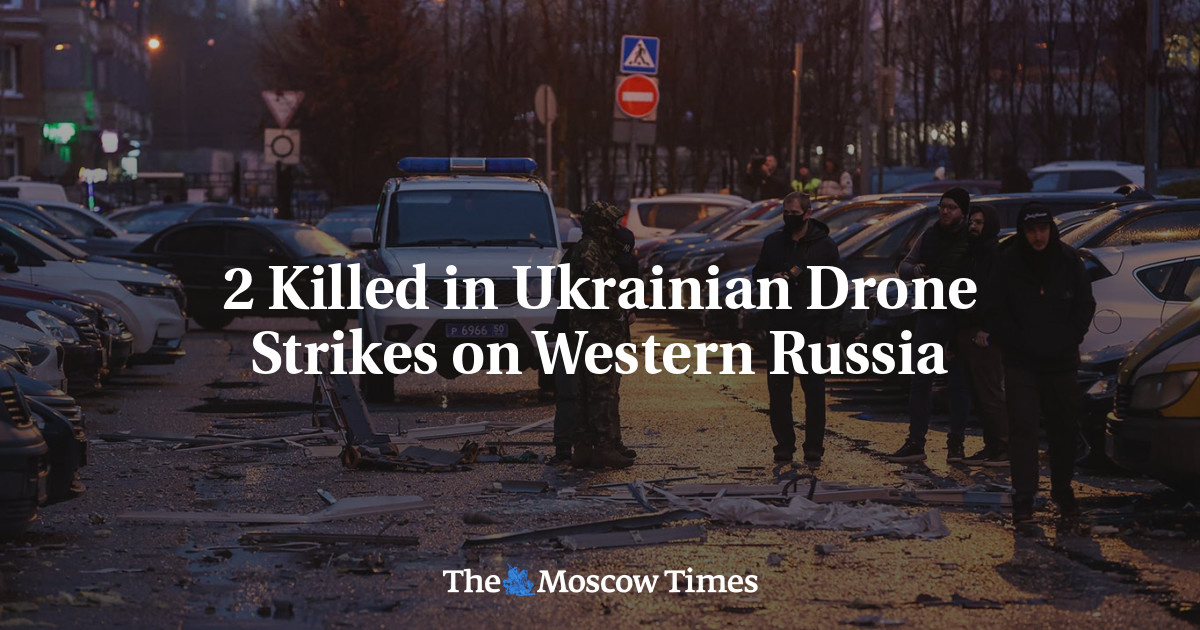
Recent Ukrainian drone strikes have resulted in at least two civilian deaths and multiple injuries across western Russia, according to reports from regional governors. The attacks, targeting areas bordering Ukraine, have intensified concerns about escalating conflict and the safety of civilians in border regions.
The Belgorod region experienced significant impact, with Governor Vyacheslav Gladkov reporting one fatality on Wednesday after a man injured in an earlier attack succumbed to his wounds before reaching a hospital. This incident is part of a broader pattern of attacks targeting critical infrastructure and civilian areas in the region, raising questions about the effectiveness of Russian air defenses. The region has faced repeated shelling and drone incursions throughout the war, prompting evacuations and straining local resources.
Further north, in the Kursk region, a 62-year-old man was killed in a similar drone strike, and his 33-year-old son was hospitalized with injuries, Governor Alexander Khinshtein announced. Khinshtein described the attack as a “vile” act, stating the victims were struck while standing near their home. The Kursk region, like Belgorod, shares a border with Ukraine and has become a frequent target of cross-border fire. These attacks underscore the vulnerability of Russian border communities to Ukrainian military actions.
The Bryansk region as well reported casualties, with five individuals wounded in separate incidents on Wednesday. According to Governor Alexander Bogomaz, a woman on a bus was hospitalized after being struck by a drone, while three others were injured when a drone crashed into a house. Later that evening, Bogomaz reported a 14-year-old boy was also hospitalized following a drone attack. The Bryansk region’s proximity to both Ukraine and Belarus makes it strategically significant and a potential transit point for military activity.
Escalation of Drone Warfare
The Russian Ministry of Defense claims to have intercepted a substantial number of Ukrainian drones on Wednesday, reporting the downing of 73 drones, including 17 over Belgorod, seven over Kursk, and five over Bryansk. Between Wednesday night and Thursday morning, Russia’s military stated it downed an additional 17 Ukrainian drones, focusing on the Bryansk and Belgorod regions. Although, independent verification of these claims is limited, and the extent of damage caused by drones that evaded interception remains unclear. The increasing reliance on drone warfare reflects a shift in tactics by both sides, allowing for targeted strikes and reconnaissance with reduced risk to personnel.
The attacks reach amid heightened tensions between Russia and Ukraine, with both sides accusing the other of escalating hostilities. Ukraine has increasingly targeted Russian infrastructure in an attempt to disrupt supply lines and military operations, while Russia continues its offensive in eastern Ukraine. The utilize of drones allows Ukraine to strike targets deep within Russian territory, challenging Russia’s air defense capabilities and demonstrating its ability to project force beyond its borders. This escalation raises concerns about the potential for further escalation and the risk of a wider conflict.
Regional Impact and Civilian Concerns
The Belgorod region has been particularly hard hit by recent attacks, with reports of damage to energy infrastructure and disruptions to essential services. Belgorod Mayor Valentin Demidov reported “serious destruction” to the energy infrastructure, promising to provide a more detailed assessment of the damage. The Frunzenskaya substation near Dragunskoye and the Donetsk substation were specifically targeted, according to local publication Pepel, which described the strikes as among the most powerful combined attacks since the beginning of the war. These attacks have left residents without power, water, and heat, exacerbating the challenges faced by communities already grappling with the economic and social consequences of the conflict.
The attacks on civilian infrastructure raise serious humanitarian concerns, as residents are left without access to basic necessities. Evacuations have been ordered in some areas, and local authorities are struggling to provide adequate support to those affected. The targeting of civilian areas is a violation of international humanitarian law, and Notice growing calls for accountability for those responsible. The psychological impact of these attacks on residents is also significant, with many experiencing fear and anxiety about their safety and security.
Ukraine’s Strategy and Russia’s Response
Ukraine has not officially claimed responsibility for the recent drone strikes, but the timing and nature of the attacks suggest a deliberate effort to disrupt Russian logistics and demonstrate its ability to strike targets within Russia. Analysts suggest that Ukraine is seeking to pressure Russia to halt its offensive in eastern Ukraine and to force negotiations on terms favorable to Kyiv. The attacks also serve as a signal to Western allies that Ukraine is capable of defending itself and warrants continued support. Ukraine’s strategy appears to be focused on asymmetric warfare, utilizing drones and other unconventional tactics to offset Russia’s military superiority.
Russia has responded to the attacks by bolstering its air defenses and increasing security measures in border regions. The Russian Ministry of Defense has vowed to retaliate against those responsible for the attacks, but has not yet specified what actions it will capture. Russia has also accused Ukraine of targeting civilian infrastructure and of using drones to terrorize the population. The Kremlin has repeatedly warned that any attacks on Russian territory will be met with a swift and decisive response. However, Russia’s ability to effectively counter Ukrainian drone attacks remains a key challenge.
Broader Context: Attacks Beyond Belgorod, Kursk, and Bryansk
The recent attacks are not isolated incidents. Reports indicate a broader pattern of Ukrainian strikes targeting Russian territory. On February 26, 2026, reports emerged of a Ukrainian drone attack on a fertilizer plant in the Smolensk region, resulting in seven fatalities. The Moscow Times reported on this incident, highlighting the increasing reach of Ukrainian drone strikes. This attack, coupled with the incidents in Belgorod, Kursk, and Bryansk, demonstrates a widening scope of Ukrainian operations within Russia.
These attacks are occurring against a backdrop of ongoing fighting in eastern Ukraine, where Russian forces are attempting to gain control of key territories. The conflict has resulted in a significant humanitarian crisis, with millions of Ukrainians displaced from their homes. International efforts to mediate a ceasefire have so far failed, and the prospects for a peaceful resolution remain uncertain. The escalating violence and the increasing frequency of attacks on Russian territory raise concerns about the potential for a further escalation of the conflict and the risk of a wider war.
As the situation continues to evolve, monitoring official updates from regional authorities and the Russian Ministry of Defense will be crucial. The international community remains focused on the conflict, and further developments are expected in the coming days and weeks. The safety and security of civilians in border regions remain a paramount concern, and efforts to provide humanitarian assistance are ongoing.
Key Takeaways:
- Ukrainian drone strikes have resulted in at least two civilian deaths and multiple injuries in Belgorod, Kursk, and Bryansk regions.
- Russia claims to have intercepted a significant number of drones, but independent verification is limited.
- The attacks highlight the vulnerability of Russian border regions and the escalating nature of the conflict.
- Ukraine has not officially claimed responsibility, but the attacks are seen as a demonstration of its ability to strike targets within Russia.
We encourage readers to share their thoughts and perspectives on this developing situation in the comments below. Your engagement helps us provide comprehensive and informed coverage of this key story.
Related reading