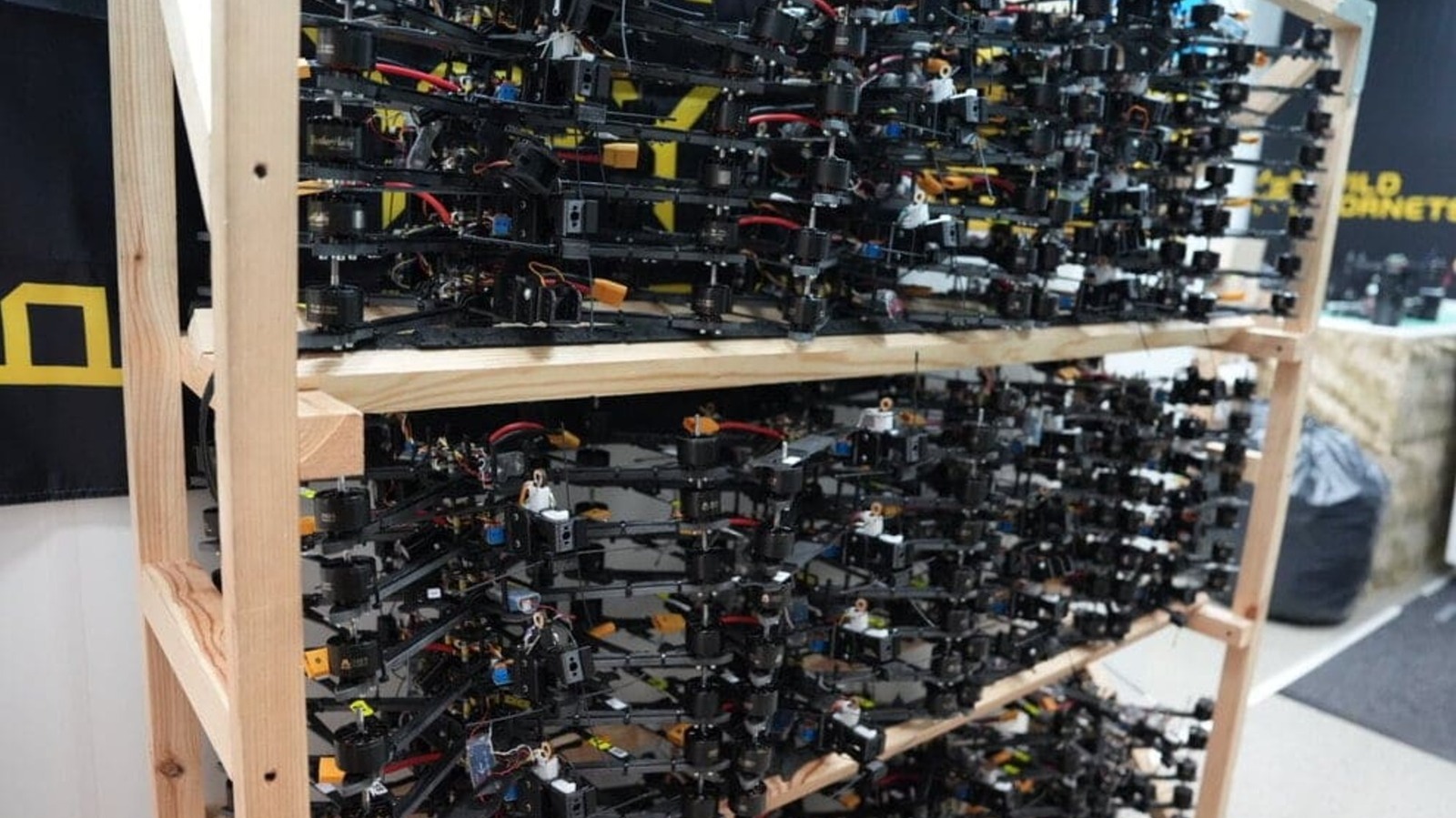
ukraine’s Drone Revolution: A Battlefield Innovation
Ukraine’s defence against the ongoing conflict has been dramatically reshaped by a burgeoning domestic drone industry. This isn’t simply about quantity; its a story of rapid innovation, tactical adaptation, and a resolute push for self-reliance. You’re witnessing a revolution in modern warfare,driven by Ukrainian ingenuity.
the Rise of Ukrainian Drone Manufacturers
A wave of new manufacturers has emerged, quickly becoming critical suppliers to the Ukrainian military. Companies like Fire Point, Ukrspecsystems, Skyeton, Wild Hornets, Motor-G, and 3D Tech are at the forefront of this transformation. Collectively, these firms enable Ukraine to deploy a wider variety of drone systems than any single Western nation.
however, a notable challenge remains: dependence on foreign components. Currently, only around 5% of Ukrainian drone companies operate without relying on parts sourced from China. Motor-G is actively addressing this vulnerability, aiming to produce 100,000 electric motors per month for drones – a crucial step toward independence.
Understanding the Landscape: Drones vs. uavs
It’s easy to use “drone” and “unmanned aerial vehicle” (UAV) interchangeably, but there’s a distinction. Drones encompass unmanned systems operating in multiple environments. This includes unmanned ground vehicles (UGVs), unmanned surface vehicles (USVs), and even unmanned underwater vehicles (UUVs). While all are important, UAVs currently dominate the battlefield.
Key Drone Types and Their Roles
Ukrainian forces are creatively employing a diverse range of drones for various combat roles. Here’s a breakdown of some key systems:
* Tactical Kamikaze Drones: Modified, commercially available quadcopters are frequently used for direct-impact strikes against enemy targets.
* Strategic Strike Drones: Firepoint’s FP-1 and FP-2 fixed-wing drones deliver munitions over long distances, reaching targets hundreds of kilometers away. UkrJet’s UJ-25 Skyline utilizes a turbojet engine for high-speed, long-range attacks.
* Surveillance & Intelligence: The PD-2 and Shark drones,produced by Ukrspecsystems,provide real-time reconnaissance and intelligence gathering capabilities.
* Long-Endurance Platforms: Skeyton’s Raybird series of fixed-wing drones can remain airborne for over 28 hours, offering persistent surveillance.
* Drone Interceptors: Wild Hornets’ “Sting” drone is uniquely designed to intercept and destroy enemy drones mid-air.
* Anti-Jamming Technology: 3DTech manufactures drones equipped with fiber-optic cables, allowing for control independent of radio signals and immune to electronic warfare.
Cost-Effectiveness and Impact
These drone systems range in price from hundreds to thousands of dollars.Despite their relatively low cost, they’ve proven remarkably effective, reportedly destroying enemy equipment worth many times their purchase price. You’re seeing a shift in the cost-benefit analysis of modern warfare.
A Future Forged in Innovation
Ukraine’s drone program exemplifies adaptability and resourcefulness in the face of adversity. The country’s commitment to developing indigenous capabilities, coupled with the innovative use of readily available technology, is reshaping the battlefield and offering valuable lessons for future conflicts. This is more than just a military story; it’s a testament to the power of innovation when driven by necessity.
Related reading