
As the international community monitors the ongoing conflict, St. Petersburg—Russia’s second-largest city and the birthplace of President Vladimir Putin—has recently faced heightened security concerns. These challenges come as the city prepares to host the St. Petersburg International Economic Forum (SPIEF), an annual event often described by state media as a “Russian Davos,” intended to showcase the country’s economic resilience despite extensive international sanctions.
The atmosphere in the city is marked by a palpable tension, exacerbated by reports of drone activity in the broader Leningrad region. While the Kremlin continues to project an image of normalcy, the recurring presence of uncrewed aerial vehicles has prompted Russian officials to bolster air defense systems and implement strict security protocols across the metropolitan area. The strategic importance of St. Petersburg, both as a cultural hub and a center for Russian political power, makes it a high-profile location for such incidents.
This development unfolds against a backdrop of escalating hostilities, including a recent large-scale missile and drone attack across Ukraine that resulted in significant civilian casualties. According to reports confirmed by Ukrainian officials, the sustained bombardment on June 1, 2024, targeted critical energy infrastructure, leaving at least 18 people injured across various regions and causing widespread power outages. The dual reality of these events—the disruption of a major economic summit and the human toll of the ongoing war—underscores the volatility of the current geopolitical landscape.
Security Preparations for the St. Petersburg International Economic Forum
The St. Petersburg International Economic Forum remains a centerpiece of the Kremlin’s diplomatic calendar. However, the 2024 iteration is being held under conditions that differ significantly from pre-war years. With the exclusion of many Western delegations and the imposition of severe economic restrictions, the forum has shifted its focus toward fostering ties with nations in the Global South, particularly China and India, as noted in financial analysis of Russia’s pivot to the East.
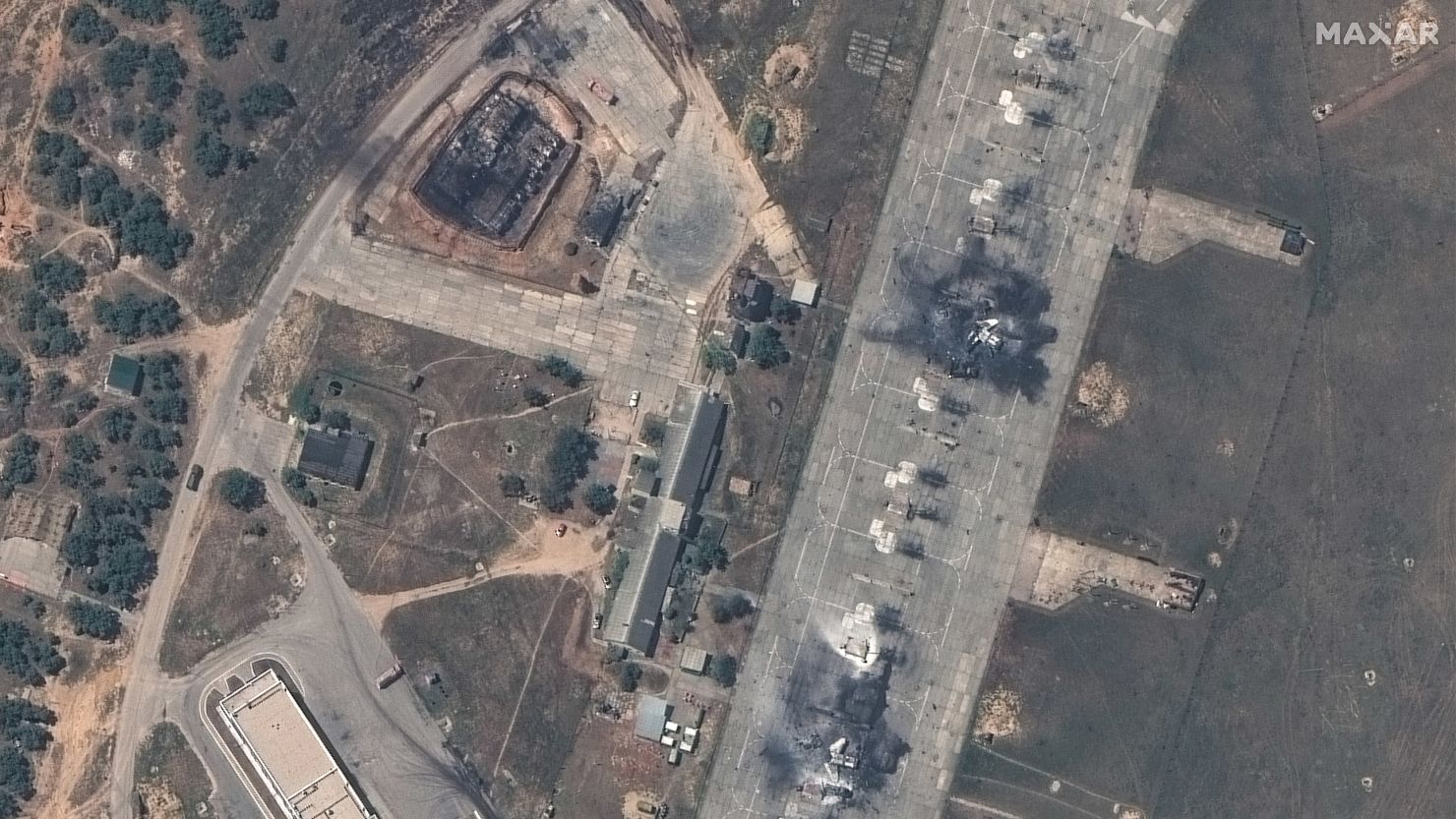

Security in the Leningrad region has been tightened significantly. Local authorities have implemented temporary restrictions on airspace and movement in anticipation of the high-level gathering. For the Russian government, the objective is to maintain the perception of stability. Yet, the persistent reports of drone strikes in northern Russia suggest that the reach of the conflict is expanding further from the front lines, creating a new logistical and psychological challenge for the Russian security apparatus.
The “Russian Davos” typically serves as a venue for President Putin to deliver a keynote address outlining his vision for the Russian economy. This year, the discourse is expected to center on “technological sovereignty” and the development of domestic industries to replace Western imports. Whether these goals can be met while the state budget is increasingly consumed by military spending remains a point of intense debate among international economists.
The Human Cost of Recent Escalations
While the focus in St. Petersburg is on economic policy, the situation on the ground in Ukraine remains dire. The attack on June 1, which involved a combination of cruise missiles and Iranian-designed Shahed drones, hit power plants in several regions. The Ukrainian Ministry of Energy reported that the strikes caused severe damage to electrical facilities, necessitating emergency power cuts for thousands of citizens. The human impact of these strikes—the 18 injured reported in the initial aftermath—is a stark reminder of the civilian suffering that has defined the conflict since its inception in February 2022.
International observers, including the United Nations, have repeatedly called for an end to strikes on energy infrastructure, citing the danger posed to the civilian population as winter approaches and the broader humanitarian implications of the destruction. Despite these appeals, the intensity of the air war has only increased, with both sides utilizing long-range weaponry to disrupt the other’s capacity to maintain basic services.
Geopolitical Implications and What Comes Next
The intersection of the SPIEF and the intensified drone war highlights a critical juncture in the conflict. As Russia attempts to project an image of economic normalcy, the reality of the war is encroaching on its domestic centers. For Ukraine, the use of long-range drones is a strategic necessity, aimed at degrading the Russian military-industrial complex and bringing the reality of the war to the Russian public.
The coming weeks will likely see continued efforts by Russia to protect its infrastructure while simultaneously escalating its own campaign against Ukrainian cities. As we look toward the conclusion of the St. Petersburg forum, the international community will be watching for any shift in rhetoric from Moscow regarding the duration and scope of the “special military operation.”
For our readers following these developments, the next significant milestone will be the conclusion of the forum and the subsequent official statements regarding trade agreements and military policy. We will continue to track these events as they unfold, providing verified analysis from our newsroom in Sofia. We invite you to share your perspectives in the comments section below and join the conversation on how these geopolitical shifts are impacting your region.
Worth a look