
For the first time since the full-scale invasion began, the residents of Moscow are experiencing the visceral reality of the conflict that the Kremlin has long described as a “special military operation” contained far from the Russian capital. In a series of escalating maneuvers, Kyiv has significantly expanded its reach, launching large-scale drone campaigns that have penetrated deep into Russian airspace, bringing the war directly to the doorstep of the Russian leadership.
These Ukrainian drone attacks on Moscow represent more than just tactical harassment; they signal a profound shift in Ukraine’s aerial strategy. By utilizing indigenous long-range drones capable of traveling hundreds of kilometers, Ukraine is attempting to erode the Russian sense of domestic security and force the Kremlin to divert critical air defense assets away from the front lines in the Donbas and southern Ukraine.
The psychological impact of these strikes is amplified by the distance they cover. With some drones traveling over 700 kilometers to reach their targets, the strikes demonstrate a sophisticated leap in Ukrainian drone technology and intelligence. This campaign is widely viewed as a direct retaliation for Russia’s relentless missile and drone barrages against Kyiv and other Ukrainian urban centers, creating a new, dangerous equilibrium of “tit-for-tat” aerial warfare.
As an editor who has tracked geopolitical shifts across the Balkans and Eastern Europe for over a decade, I see this as a pivotal moment in the conflict’s asymmetry. Ukraine is no longer merely defending its borders; it is actively projecting power into the Russian heartland, challenging the narrative of Russian invulnerability.
The Strategic Logic of Long-Range Strikes
The decision to target Moscow and other deep-interior Russian cities is rooted in a strategy of “asymmetric attrition.” By striking strategic infrastructure, oil refineries and military command centers far behind the front, Ukraine aims to disrupt the Russian war machine’s logistics and financial stability. The use of drones allows Kyiv to achieve these goals with relatively low-cost equipment compared to the high-cost air defense missiles Russia must use to intercept them.
According to reports from Reuters, Ukraine has increasingly targeted Russian energy infrastructure to curtail the export of petroleum products, which fund the Russian military effort. By forcing the Russian Ministry of Defense to relocate S-400 and other advanced air defense systems to protect Moscow and St. Petersburg, Ukraine creates “blind spots” in the air defense umbrella over the occupied territories in Ukraine, potentially easing the path for future counter-offensives.
the strikes serve a critical political purpose. For the average Russian citizen in the capital, the sound of air raid sirens and the sight of intercepted drone debris are stark reminders that the war is not a distant event. This internal pressure is intended to complicate Vladimir Putin’s domestic standing by proving that the state cannot fully protect its own center of power.
Technological Evolution: From Reconnaissance to Long-Range Strike
The ability to strike targets 750 kilometers away marks a significant evolution in Ukraine’s military-industrial complex. While early in the war Ukraine relied heavily on Western-supplied munitions and short-range drones, the current campaign relies heavily on domestically produced long-range Unmanned Aerial Vehicles (UAVs).
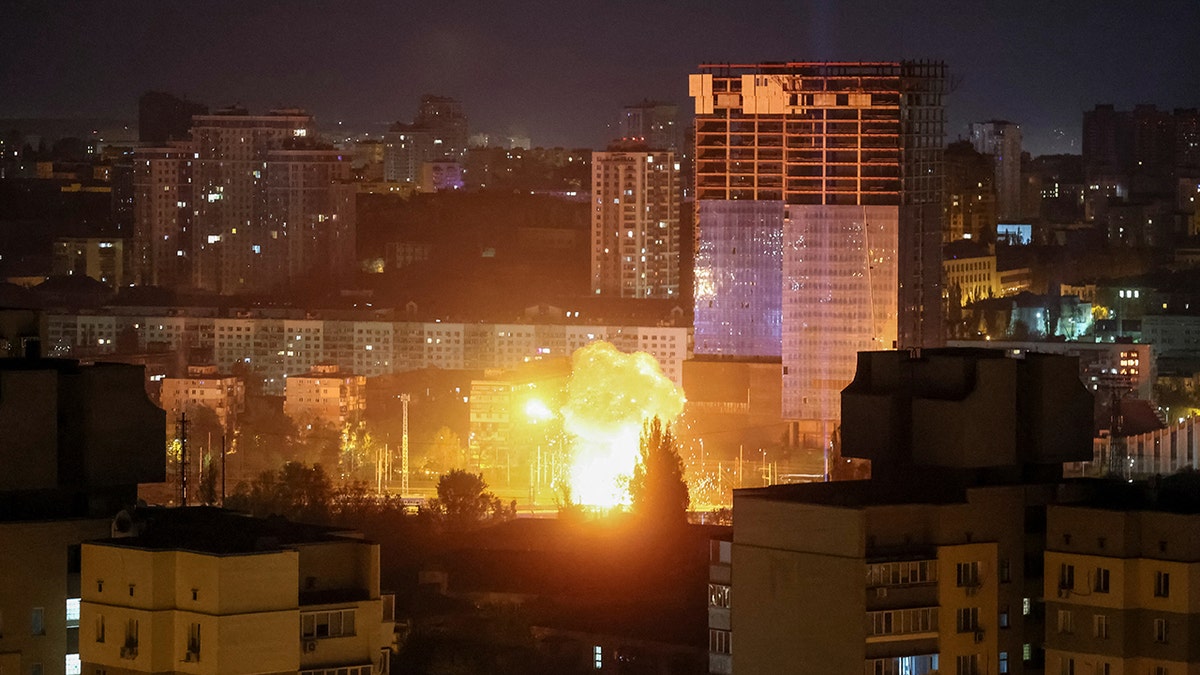
These drones are designed for endurance and stealth, often flying at low altitudes to evade radar detection. The sophistication of these missions suggests a high level of coordination between Ukrainian intelligence and aerial reconnaissance. By utilizing “swarm” tactics—launching multiple drones simultaneously from different directions—Ukraine can overwhelm the capacity of local air defense batteries, ensuring that at least some payloads reach their intended targets.
This shift toward domestic production reduces Kyiv’s total dependence on the fluctuating timelines of Western military aid. By iterating their own drone designs, Ukrainian engineers can quickly adapt to changes in Russian electronic warfare (EW) capabilities, creating a rapid cycle of innovation and counter-innovation in the skies over Russia.
The Russian Response and the Air Defense Gap
The Kremlin’s response to these incursions has been a mixture of official dismissal and frantic defensive adjustments. While Russian officials often claim that “all targets were intercepted,” video evidence and local reports frequently tell a different story. The penetration of drones into the Moscow city center has exposed gaps in the Russian integrated air defense system (IADS), which was previously thought to be impenetrable around the capital.
As reported by the Associated Press, the Russian military has been forced to deploy additional electronic warfare units around Moscow to jam GPS signals and disrupt drone navigation. This has led to widespread disruptions in civilian navigation services across the city, further highlighting the tension between military necessity and urban functionality.
The Russian Ministry of Defense continues to frame these attacks as “terrorist acts,” using them to justify further escalations in their own bombing campaigns against Ukrainian energy grids. This creates a vicious cycle: Russian strikes on Kyiv provoke Ukrainian drone strikes on Moscow, which in turn lead to more Russian missiles hitting Ukrainian cities. This “urban war of attrition” threatens to expand the conflict’s footprint beyond traditional military targets.
Geopolitical Implications and the “Red Line” Debate
The escalation of strikes inside Russian territory has sparked an intense debate among Ukraine’s Western allies. For much of the conflict, the United States and several NATO members discouraged Ukraine from using Western-supplied long-range weapons to strike deep inside Russia, fearing such actions could lead to a direct confrontation between NATO and Russia.
However, Ukraine’s use of its own indigenous drones bypasses these restrictions. Since the drones are Ukrainian-made, Kyiv is not technically violating the terms of Western weapon usage. This has created a “gray zone” that allows Ukraine to pressure Russia while providing its allies with a degree of plausible deniability.
From a geopolitical perspective, these attacks signal that the “red lines” drawn by the Kremlin are increasingly porous. The fact that Ukraine can now strike the Russian capital with relative frequency suggests that the strategic map of the war has fundamentally changed. The conflict is no longer a battle for the Donbas or Crimea alone; it is a struggle that now encompasses the entire geography of the Russian Federation.
What This Means for the Future of the Conflict
The transition to deep-strike drone warfare suggests several likely developments in the coming months:
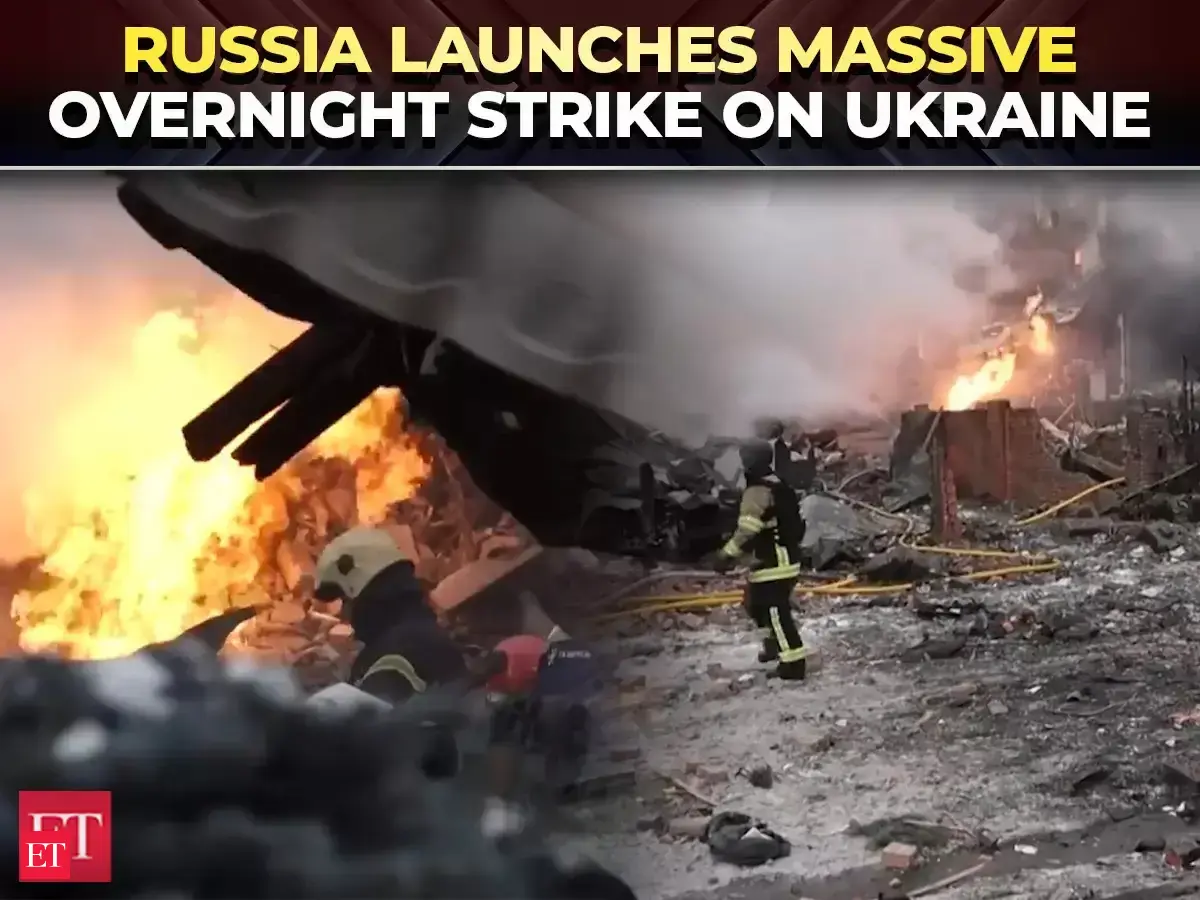
- Increased Targeting of Logistics: Expect more strikes on ammunition depots, fuel refineries, and railway hubs that feed the Russian front lines.
- Enhanced Electronic Warfare: Russia will likely double down on its EW capabilities, attempting to create “dead zones” where drones lose connection with their operators.
- Pressure for Peace Negotiations: As the cost of the war reaches the Russian interior, the Kremlin may face increased pressure from domestic elites to seek a negotiated settlement, though this remains speculative given the current political climate.
- Expansion of Ukrainian Drone Production: Ukraine will likely seek further partnerships with Western tech firms to increase the precision and payload of its long-range UAVs.
For the global community, the lesson is clear: the technological barrier to long-range precision strikes has collapsed. Tiny, relatively cheap drones can now achieve strategic effects that previously required an air force of bombers and fighter jets. This democratization of air power is changing the nature of modern sovereignty and defense.
As we monitor the situation from Sofia and beyond, the aerial battle over Moscow is not just a military campaign, but a psychological one. The goal is not necessarily the total destruction of the Russian capital, but the demonstration that no place in Russia is truly safe from the consequences of the invasion.
The next critical checkpoint will be the upcoming review of air defense allocations by NATO allies, as they assess whether Ukraine requires more advanced interceptors to protect its own cities from the inevitable Russian retaliation for these Moscow strikes.
We invite our readers to share their perspectives on the escalation of long-range drone warfare in the comments below. Do you believe these strikes will accelerate a diplomatic resolution or further entrench the conflict?
Worth a look