The Resilience of Play: How Ukraine is Protecting Childhood Amidst War
The image is stark: a children’s playground, a symbol of innocence and joy, deliberately targeted amidst the brutal realities of war. During the fourth year of conflict in Ukraine, Russian military strikes have increasingly focused on civilian infrastructure, including the very spaces where children should feel safe - parks, schools, and playgrounds. The devastating attack on a crowded park in Kryvyi Rih in april, president Zelenskyy’s hometown, stands as a horrific example, resulting in the highest single-incident death toll of children. but amidst this darkness,a remarkable story of resilience is unfolding,centered around the vital importance of play for Ukrainian children.
The Power of Play in Times of Trauma
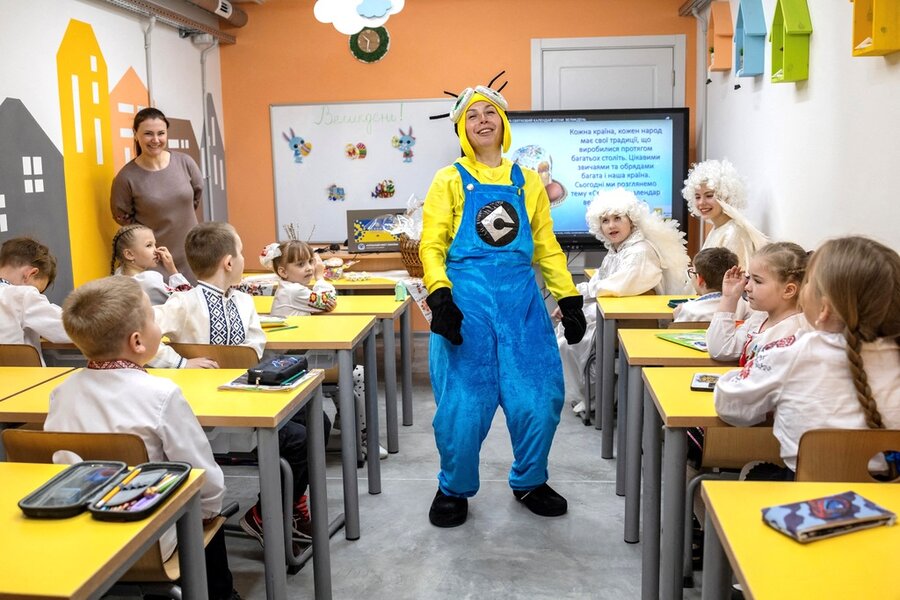
Rather than succumbing to despair, Ukrainians, bolstered by international support, are actively creating new opportunities for children to experience the normalcy and healing power of recreational activities. This isn’t simply about providing amusement; it’s a strategic act of defiance against a war aiming to crush the spirit of a nation. Innovative solutions are emerging, from “pop-up” playgrounds assembled within the safety of buildings by mobile teams, to incorporating recreation rooms – equipped for soccer, chess, and dance - into newly constructed underground schools. Even in relatively safer regions, modern, community-focused outdoor playgrounds are being built, fostering social connection and a sense of hope.
This commitment to childhood isn’t a new concept. The United Nations formally recognized the importance of play with the first International Day of play on June 11th last year.The UN Convention on the Rights of the Child explicitly enshrines a child’s “right… to engage in play,” recognizing it as basic to their growth. As first Lady Olena Zelenska powerfully stated in an interview with ZDF, Ukraine isn’t aiming to raise a “generation of war,” but a “generation of victory.” This sentiment underscores the understanding that providing opportunities for childhood development is crucial for ukraine’s future.
Recent research from the LEGO Foundation (November 2023) highlights the critical role of play in building resilience in children experiencing trauma. Their study,”Play for a purpose,” found that playful learning environments significantly improved emotional regulation and social skills in children affected by conflict. This isn’t just anecdotal; it’s backed by science. Play allows children to process complex emotions, build narratives, and develop essential social skills – all vital for navigating a world disrupted by violence. The act of play, therefore, becomes a powerful coping mechanism and a pathway to healing.
Beyond emotional wellbeing, these initiatives address the long-term psychological impact of war. Without opportunities for normal play,children risk being permanently defined by their experiences as victims. Providing spaces for joy and learning allows them to reclaim their identities and build a future beyond the trauma. This proactive approach to child wellbeing is a testament to Ukraine’s determination to protect its future generations. Consider supporting organizations like UNICEF Ukraine (https://www.unicef.org/ukraine/) which are actively involved in providing these vital resources.
evergreen Section: The Enduring Need for Play
The importance of play transcends geopolitical conflicts. Throughout history, play has been recognized as essential for human development. From the ancient Greek concept of paideia – encompassing education and the cultivation of character thru play - to modern developmental psychology, the benefits of play are universally acknowledged. play fosters creativity, problem-solving skills, and emotional intelligence. It’s not merely a frivolous activity; it’s a fundamental building block of a healthy and thriving society. Protecting children’s right to play, therefore, is a worldwide responsibility, nonetheless of circumstance.
FAQ Section:
Q: Why is play so crucial for children in conflict zones like Ukraine?
A: Play provides a crucial outlet for processing trauma, building resilience, and maintaining a sense of normalcy amidst chaos. it’s a vital coping mechanism and supports healthy emotional development.
Q: What are “pop-up” playgrounds and how do they help?
A: “Pop-up” playgrounds are mobile recreational spaces brought into safe buildings, offering children a temporary but essential prospect for play when outdoor spaces are unsafe.
Q: How does the UN support children’s right to play?
A: The UN Convention on the Rights of the Child recognizes play as a fundamental right, and the International Day of Play aims to raise awareness about its importance, especially in conflict zones.
Q: What is the long-term impact of denying children opportunities for play?
A: Denying children play can lead to lasting psychological
Keep reading