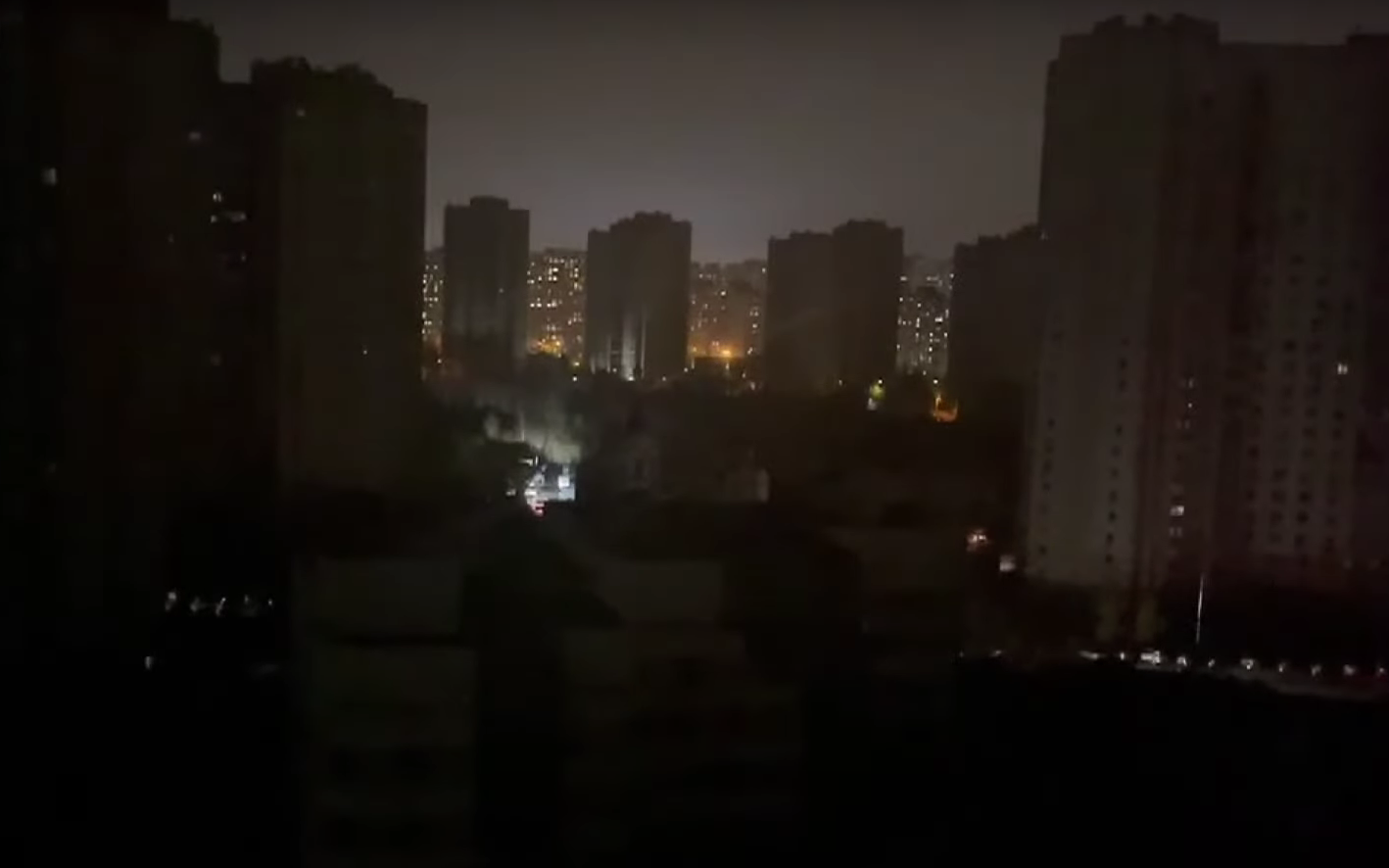
As Ukraine navigates the ongoing challenges of the conflict, residents are facing the recurring reality of prolonged power outages. The national energy infrastructure remains a primary target in the hostilities, leading to significant disruptions in electricity supply across several regions. For many, these outages represent a difficult return to the conditions experienced in previous winters, as the country works to maintain essential services under sustained pressure.
Recent reports confirm that widespread Russian strikes on energy infrastructure have resulted in power losses for hundreds of thousands of civilians. The impact of these strikes is felt most acutely in the capital, Kyiv and the surrounding regions, where emergency services and energy providers are working to stabilize the grid and restore electricity to residential areas. The intensity of these aerial bombardments, involving both drones and missiles, has necessitated urgent repairs to critical facilities.
For those living in affected areas, staying informed through official channels is critical. As the situation remains fluid, residents are advised to monitor updates from local utility providers and regional administrations regarding potential schedules for load shedding or emergency repairs. The resilience of the population continues to be tested as the nation faces these systemic challenges to its energy security.
Infrastructure Under Pressure
The energy sector in Ukraine has faced repeated, systematic targeting since the start of the full-scale invasion in February 2022. The most recent wave of attacks has focused on thermal power plants and other vital nodes within the national energy system. According to official reporting on the November 2025 escalation, the scale of the strikes caused significant damage, forcing emergency outages for over 600,000 people in the Kyiv region alone.
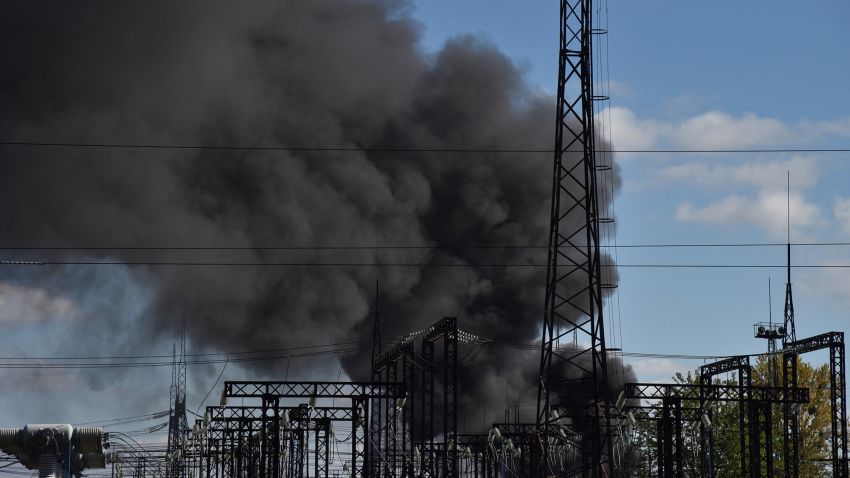
These incidents underscore the vulnerability of energy infrastructure to aerial bombardment. When thermal plants are hit, the resulting loss of generation capacity forces grid operators to implement emergency measures. In the immediate aftermath of such strikes, energy providers like Dtek often scramble to reroute power and prioritize the restoration of electricity to hospitals, water pumping stations, and residential buildings. The process is complex and time-consuming, requiring extensive physical repairs to damaged equipment.
Regional Impact and Recovery Efforts
While the capital has seen a high concentration of outages, other parts of the country are also feeling the strain. Damage to high-voltage equipment in northern and eastern regions often leads to cascading issues for the national grid. The logistical challenge of repairing high-voltage transformers and power lines under the threat of further strikes complicates the recovery process significantly.
The Ukrainian energy ministry and various regional operators have highlighted that while repairs are ongoing, the overall capacity of the system remains reduced. Families are encouraged to prepare for potential fluctuations in power availability by ensuring they have access to backup lighting, portable power banks, and other essential supplies. Information regarding the current state of the grid is typically disseminated via the official websites of regional power distribution companies.
Understanding the Grid’s Resilience
The current situation is not merely a matter of equipment failure but a reflection of the broader strategic conflict. By targeting the energy sector, the objective of such strikes is often to undermine the operational capacity of the industrial sector and the daily lives of citizens. However, the coordinated response from emergency services and the rapid deployment of repair crews have remained a hallmark of the country’s defensive strategy.
Readers are encouraged to verify information through official government portals rather than unconfirmed social media reports, which can often be subject to misinformation. Following the social media accounts of the Ministry of Energy and regional authorities remains the most reliable way to receive real-time updates on grid status and safety protocols.
Moving Forward
As the winter season progresses, the focus remains on maintaining the stability of the energy system. The combination of international support for energy infrastructure and domestic efforts to fortify key installations against future strikes remains a central pillar of the national response. The persistence of these challenges requires ongoing vigilance from both the government and the public.
We will continue to track updates regarding the energy situation as they are released by official bodies. If you have found this overview helpful, please consider sharing this report with others who may need to stay informed about the evolving situation in Ukraine. We welcome your thoughts and insights in the comments section below as we continue to provide objective, verified coverage of these critical developments.
Worth a look