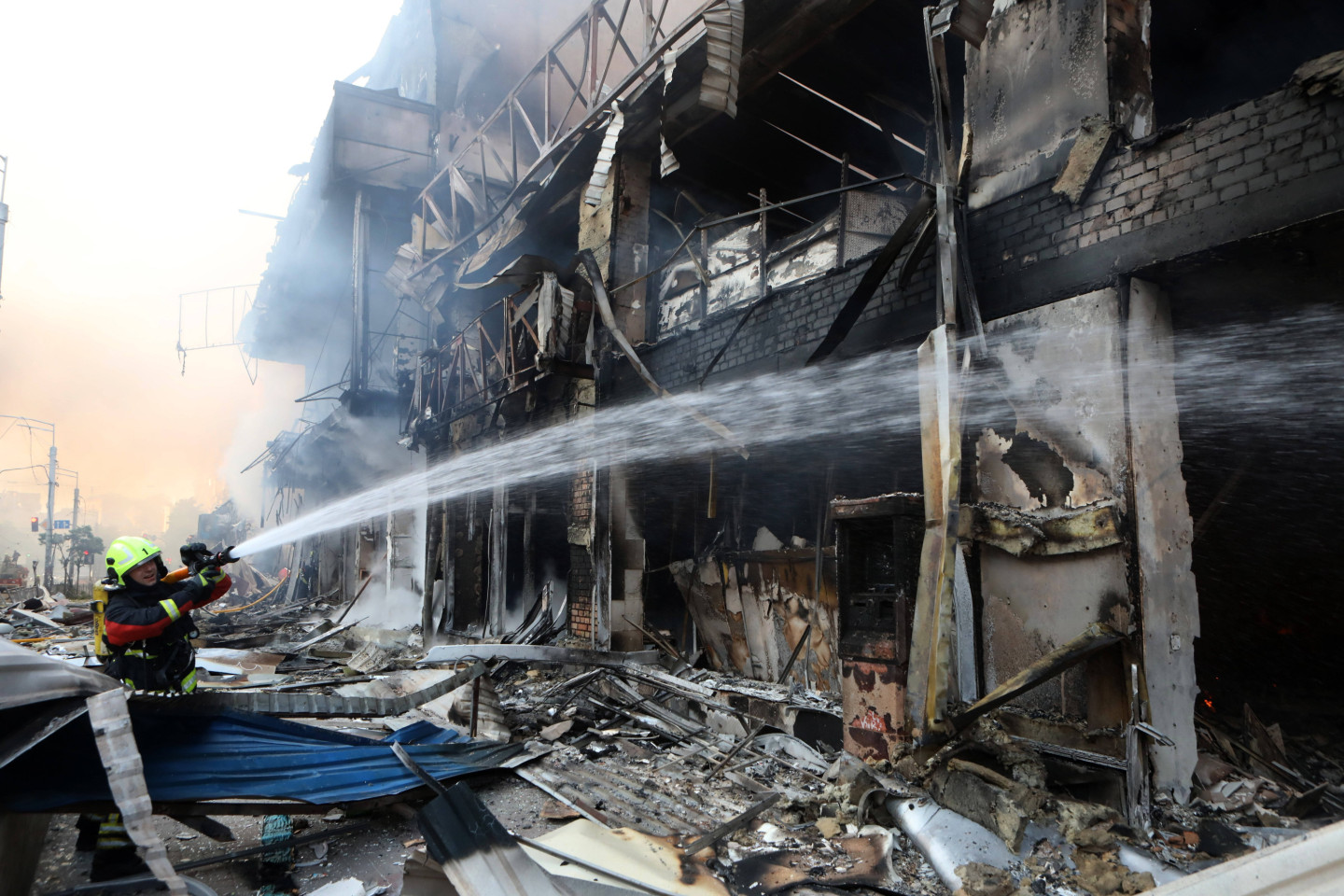
Diplomatic discussions regarding the potential for peace negotiations between Ukraine and Russia have intensified, as European leaders evaluate their strategies amid shifting political dynamics in the United States. While officials in several European capitals have signaled a desire to explore pathways toward a diplomatic settlement, the consensus remains that any final resolution must be led directly by Kyiv and Moscow, according to reports from international news agencies monitoring the current geopolitical climate.
The urgency for a structured dialogue has been underscored by the ongoing humanitarian and economic toll of the conflict, which began with the full-scale Russian invasion in February 2022. As of late 2024, international observers and government officials are closely watching how the transition of power in Washington may influence future security assistance and diplomatic pressure. The Group of Seven (G7) nations have consistently reiterated their support for Ukraine’s sovereignty, yet the scope of future mediation remains a subject of active debate among transatlantic allies.
Shifting Perspectives on Diplomatic Mediation
European diplomatic efforts have recently focused on determining the feasibility of restarting direct communication channels. According to statements from the European Union External Action Service, the priority remains the restoration of Ukraine’s territorial integrity based on the principles of international law. However, there is a growing acknowledgment that the battlefield situation, characterized by high-intensity attrition, necessitates a dual approach: maintaining military support while keeping a door open for political negotiations.

Internal deliberations within the European Council suggest that leaders are cautious about suggesting any timeline for talks that might undermine Kyiv’s position. The prevailing view among senior diplomats is that the terms of any potential ceasefire or long-term treaty must be acceptable to the Ukrainian government, which has repeatedly stated that negotiations cannot involve the forfeiture of sovereign territory. The United Nations Charter serves as the primary framework for these discussions, emphasizing the settlement of disputes through peaceful means.
The Role of International Partners
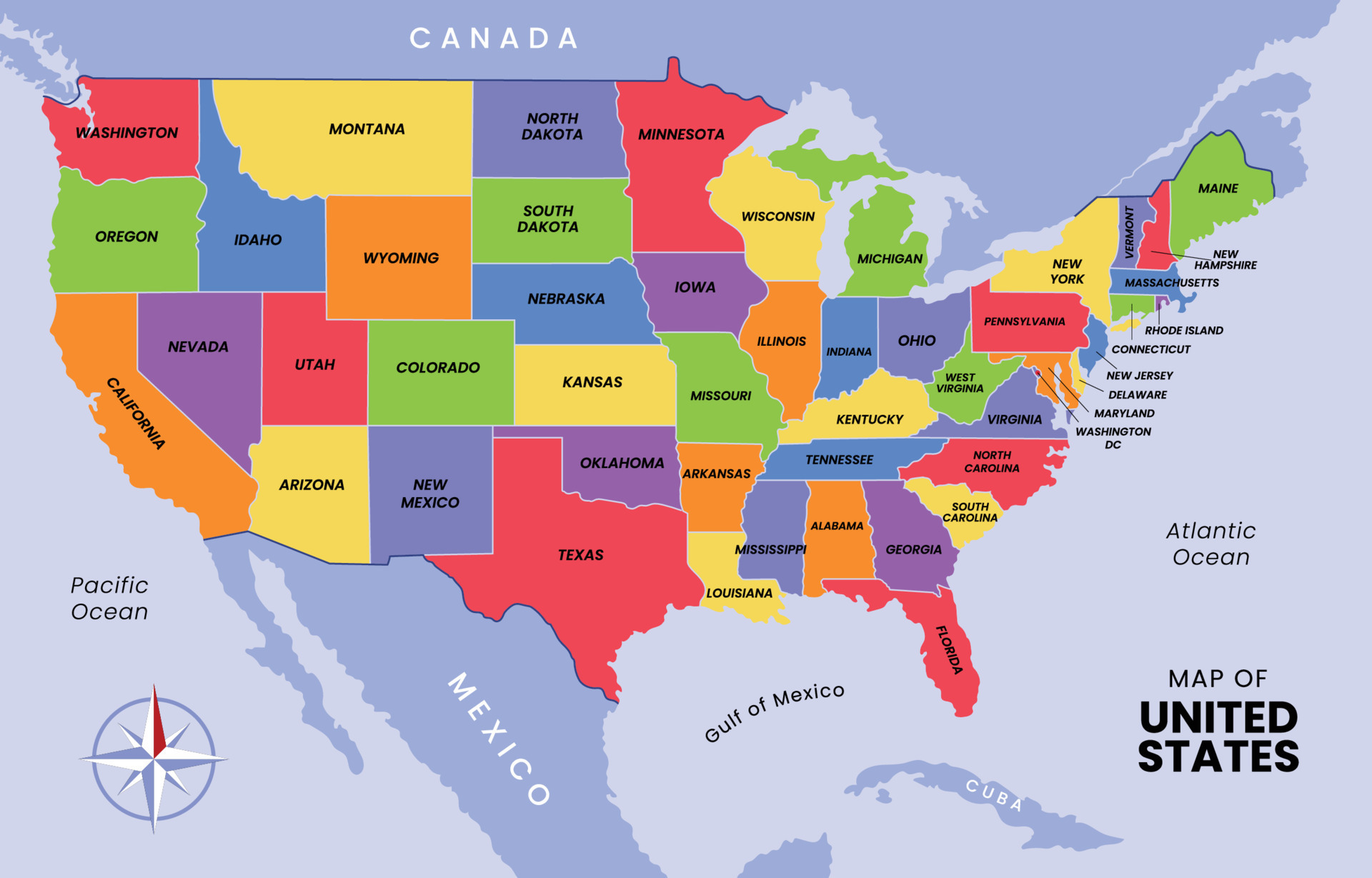
The involvement of the United States remains a critical factor for both Kyiv and Moscow. With the upcoming change in the U.S. administration, European capitals are recalibrating their outreach to ensure a unified front. Analysts note that while there is skepticism regarding Russia’s willingness to engage in good-faith negotiations, the pressure to secure a sustainable peace has never been higher.
Financial and military aid packages remain the primary lever for Western influence. According to data from the Kiel Institute for the World Economy, the total commitment of aid to Ukraine has exceeded $300 billion since the start of the full-scale war. This massive investment underscores the strategic importance of the region to global stability. The challenge for European leaders is to maintain this momentum while navigating the complexities of domestic political pressures in partner nations.
Obstacles to a Negotiated Settlement
A primary barrier to formal peace talks is the fundamental divergence in objectives. The Kremlin has maintained that any resolution must recognize “new territorial realities,” a position that the Ukrainian government and its Western allies have categorically rejected as a violation of sovereignty. According to the Organization for Security and Co-operation in Europe (OSCE), the lack of a neutral platform for dialogue and the absence of mutual trust have prevented any meaningful progress toward a ceasefire.
Furthermore, the humanitarian impact—including millions of displaced persons and extensive infrastructure damage—has complicated the prospects for reconciliation. Reports from the Office of the United Nations High Commissioner for Human Rights confirm that civilian casualties continue to mount, reinforcing the urgency for a diplomatic breakthrough. Despite these challenges, the diplomatic corps in Brussels and other key capitals continue to facilitate back-channel communications to assess if conditions for a future summit might emerge.
What Happens Next
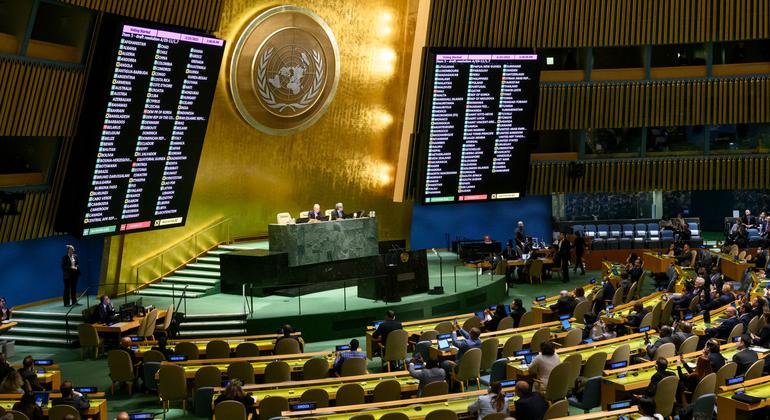
The immediate future of the conflict will likely depend on the outcomes of upcoming high-level meetings between European leaders and the incoming U.S. administration. These discussions are expected to clarify the extent of continued military and financial support, which will in turn dictate the strategic options available to Kyiv. Observers are also looking toward the next session of the United Nations General Assembly, where further resolutions regarding the conflict are expected to be debated.
As the winter months approach, the focus will likely remain on maintaining energy grid stability and providing the necessary defensive capabilities to protect civilian populations. For those following these developments closely, official updates on diplomatic initiatives are available through the portals of the Council of the European Union and the U.S. Department of State. We invite our readers to share their perspectives on these developments in the comments section below as we continue to track this evolving story.
Related reading